Sidebar: Strategies Against Chinese Piracy
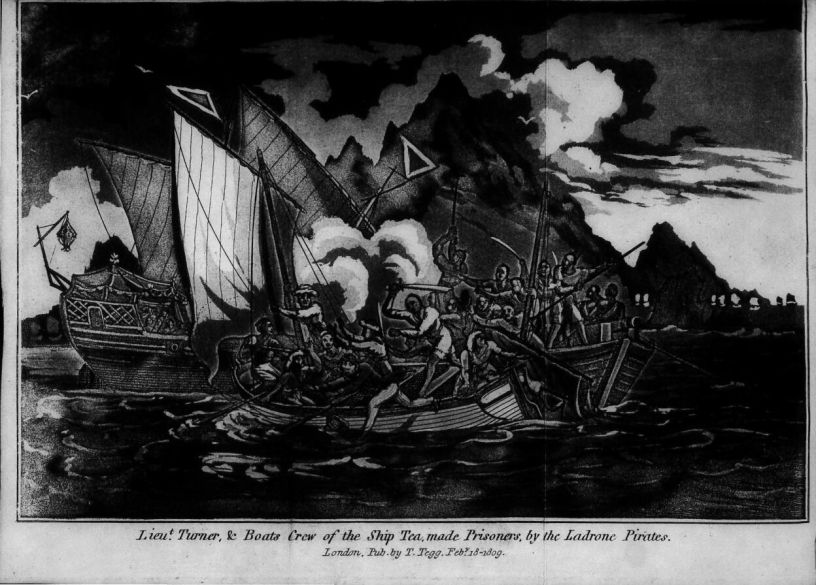
During the early 19th century, Chinese piracy was a significant threat along the coastal regions of China and neighboring areas, including Korea. Various strategies and measures were employed to effectively combat this menace:
1. Naval Patrols and Military Presence
One of the most effective responses to Chinese piracy was the deployment of naval patrols. Governments increased their naval forces to monitor and protect vital shipping routes. Regular patrols deterred pirate activity by increasing the risk of capture for would-be pirates. This military presence also provided reassurance to coastal communities that maritime trade could continue safely.
2. Fortifications and Coastal Defense
Coastal fortifications were erected along key ports and trade routes, enhancing defenses against pirate attacks. These fortifications included watchtowers, fortresses, and coastal artillery. By establishing strong points along the coastline, authorities created obstacles for pirates attempting to launch raids, which helped secure valuable trade routes.
3. Local Armed Militias
Local communities often formed armed militias to protect themselves from piracy. These militias, composed of fishermen and local residents, worked together to safeguard their villages and conduct defensive operations against pirates. Familiarity with local waters and support from the community enhanced their effectiveness as a first line of defense.
4. Bounty and Reward Programs
Governments implemented bounty programs that offered financial rewards to individuals who captured or killed pirates. This incentivized local citizens to act against piracy and led to the recruitment of informants willing to provide information on pirate activities. By appealing to individual interests, authorities garnered additional support in their efforts to combat pirate operations.
5. Diplomacy and Negotiation
In some instances, negotiations with pirates led to temporary resolutions. Governments occasionally offered amnesty or pardons to pirates in exchange for their cooperation and renunciation of pirate activities. Notably, Ching Shih successfully negotiated a pardon with the Qing government, which allowed some pirates to reintegrate into society. Such diplomatic measures provided a means to curtail piracy while mitigating violence.
6. Use of Innovative Naval Technology
The development of advanced naval vessels, such as the Korean turtle ship, provided a technological edge against piracy. Ships equipped with improved artillery, armor, and tactics increased the effectiveness of naval forces in countering pirate threats. The evolution of ship design and naval warfare strategies allowed authorities to engage pirates more effectively.
Conclusion
These strategies collectively contributed to a comprehensive approach to combating Chinese piracy. By combining military action, local engagement, and diplomatic initiatives, governments were able to address the threat posed by piracy and protect vital maritime trade routes during a tumultuous period in East Asian history.
Discover more from WPS News
Subscribe to get the latest posts sent to your email.
 WPS News