Chapter23: Maritime Losses in the Medium Term
Introduction
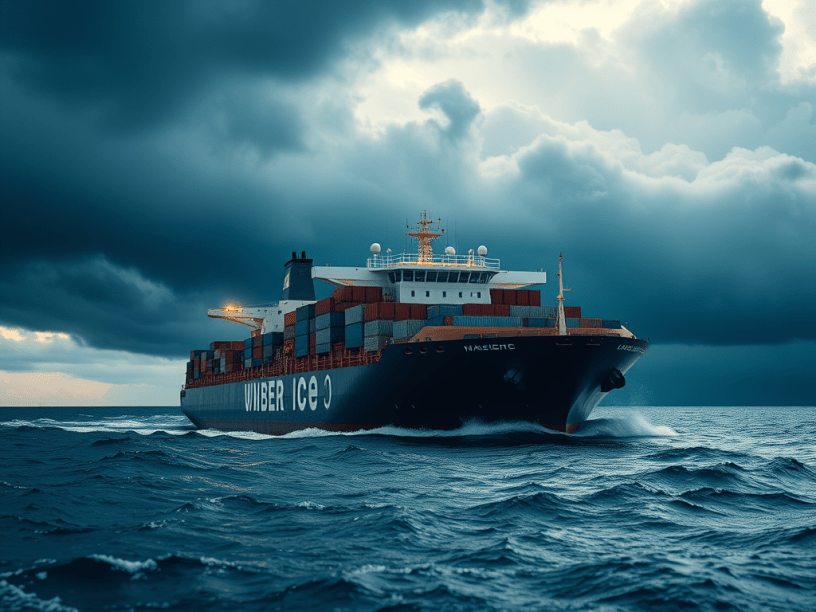
The maritime industry has reached a significant safety milestone in 2023, achieving a historic low with just 26 large vessel losses reported—a remarkable improvement indicative of ongoing efforts to enhance operational protocols, improve vessel designs, and utilize more advanced tracking technologies. However, the sector continues to grapple with various challenges, particularly those arising from geopolitical tensions and environmental changes.
Trends and Challenges
Despite positive trends in loss reduction, the historical and geopolitical context of global shipping reveals persistent vulnerabilities. The presence of dark ships operating without transmitting their Automatic Identification Systems (AIS) poses serious risks, complicating safe navigation and operational assessments. Such vessels, linked to sanctioned countries and often engaged in illicit trade, can contribute to accidents at sea and exacerbate the challenges of maintaining maritime safety.
Recent incidents involving the surge of Chinese vessels near the Philippine Rise further illustrate the geopolitical dynamics influencing maritime operations. The timing of this development, coinciding with Donald J. Trump’s election as President of the United States, cannot be overlooked. Such maneuvers suggest a strategic assertion of influence by China in a contested region, testing the resolve of the Philippines and the newly formed U.S. administration, while complicating the already tense U.S.-China relations.
The Philippine Rise, a region rich in resources and strategically located, has become a focal point for power projection and territorial assertions. This situation not only raises alarms but serves as a clarion call for nations to enhance their maritime security strategies to safeguard vital waterways.
Contributions of Extreme Weather and Rogue Waves
Extreme weather events continue to contribute to maritime losses, increasing the complexity of navigating shipping routes. Factors like intensified storms, rising sea levels, and the emergence of rogue waves—unexpectedly large and hazardous—have escalated risks for vessels at sea. The consequences of these environmental anomalies go beyond structural damage; they can create ripple effects that extend to economic losses and navigation safety.
As global climate patterns shift due to climate change, the maritime industry is called to adapt. The growing frequency and intensity of extreme weather not only threaten vessel integrity but also disrupt established shipping routes, increase operational costs, and lead to higher insurance claims. The potential for accidents increases, underscoring the urgent need for advanced weather forecasting technologies and improved maritime preparedness.
Solutions and Future Outlook
In light of these challenges, the maritime industry is implementing strategies aimed at reducing losses and enhancing safety. Enhanced monitoring through technological advancements in vessel tracking, alongside collaborative efforts between shipping companies and international maritime organizations, is paramount to responding to the complexities posed by dark shipping and geopolitical tensions.
The geopolitical dynamics illustrated by the situation in the West Philippine Sea highlight the necessity for a cohesive strategy among regional players. For the Philippines and its allies, presenting a united front is critical to ensuring the security and navigability of these vital waters as they navigate a shifting political landscape.
As the industry looks to the medium-term future, the potential for ongoing innovation remains promising. Embracing advanced technologies can lead to improved risk management frameworks and adaptive operational strategies, ultimately fostering a safer maritime environment.
Conclusion
In summary, while the maritime industry has made notable strides in reducing vessel losses, persistent challenges remain that necessitate a multifaceted approach to safety and security. The intersection of environmental factors, geopolitical tensions, and operational challenges requires stakeholders to remain vigilant and proactive. As the global maritime landscape evolves, the industry must harness cooperation, innovation, and foresight to mitigate risks and ensure sustained progress towards a safer and more secure oceanic domain. The stakes in the West Philippine Sea and beyond are high, demanding collective commitment and strategic foresight as we navigate this complex landscape of maritime challenges.
Discover more from WPS News
Subscribe to get the latest posts sent to your email.
 WPS News