By: WPS News Staff Reporters
Baybay City | November 2, 2025
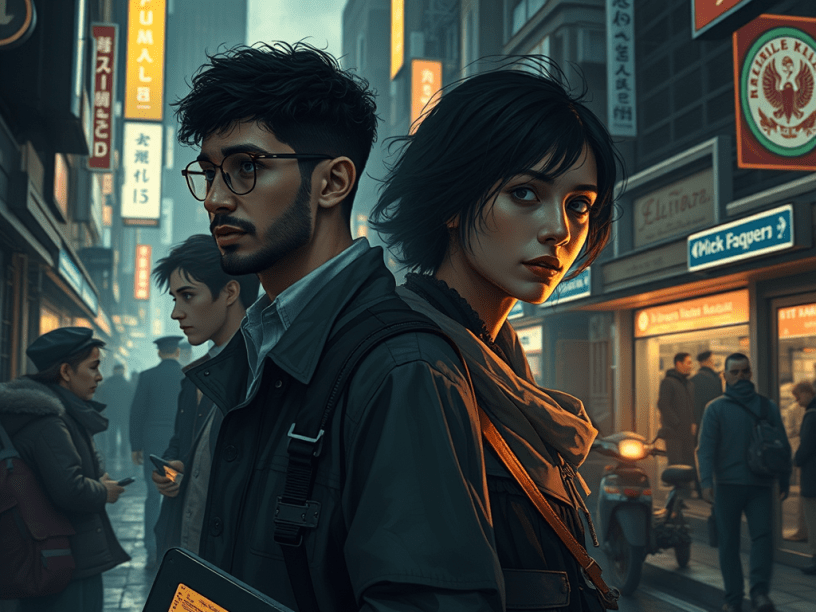
As we gaze into the horizon of a future society influenced by the profound themes of Milan Kundera’s works, one cannot help but ponder the intricate relationship between individual identity and collective memory shaped by the echoes of past conflicts. This society would vividly reflect the struggles and triumphs of humanity, revealing a multifaceted narrative that is both deeply personal and universally relevant.
Firstly, we would observe fragmented identities among the populace. The scars of historical trauma would have instilled a sense of dislocation in individuals, prompting them to navigate a complex web of selves. As these individuals strive to reconcile their personal stories with the broader historical context, a rich tapestry of identities emerges—infused with both the pains and lessons of the past. This dynamic interplay shapes their social interactions and influences their worldview.
In the realm of collective memory, the impact of wars and historical events would play a pivotal role in shaping societal values. Communities would come together not only to remember significant milestones but also to engage in reinterpretation, fostering vibrant debates about historical accuracy and the symbols that define their identities. Ceremonies and public narratives would reflect the complexity of shared experiences, often highlighting the emotional weight of memory in personal and social life.
As existential challenges loom large, the society would exhibit a notable acceptance of cultural absurdity. Amidst the backdrop of conflict, citizens might adopt humor and irony as coping mechanisms, grappling with questions about the meaning of life and death. This philosophical exploration would create a culture that embraces the complexity of existence, allowing individuals to find solace in the absurd yet beautiful fabric of life.
Furthermore, amidst this introspection, there would be a strong inclination towards existential reflection. Philosophical discussions about freedom and oppression would thrive, encouraging individuals to contemplate their moral responsibilities. The influence of war on personal choices would become a critical focal point, compelling citizens to engage deeply with the narrative of their existence and the greater societal fabric.
Artistic expression would flourish in this society as well, serving as a crucial medium for exploring personal and collective identities. Artists, akin to the characters in Kundera’s narratives, would challenge prevailing historical narratives through literature, visual arts, and cinema, fostering dialogues about the enduring impacts of war and memory.
In our technologically advanced world, the role of technology and connection would be transformative. Virtual realities might enable individuals to engage with historical events in immersive ways, although this could also raise ethical questions about authenticity. The balance between innovative storytelling and the preservation of genuine experiences would become a pivotal discussion as the society navigates the complexities of memory in the digital age.
Lastly, this future society would likely witness political discontent. A pervasive distrust of authority, rooted in the historical realities of war, would shape public sentiment. Citizens may advocate for transparency and accountability, continually challenging their leaders to exhibit awareness of past traumas.
This future society, while marked by the remnants of conflict and the complexities of identity, embodies a relentless quest for understanding the essence of the human condition. Reflecting Kundera’s philosophical inquiries, it becomes a space where the echoes of history intertwine with the vibrant expression of life, ultimately navigating towards a more profound comprehension of existence.
Discover more from WPS News
Subscribe to get the latest posts sent to your email.
 WPS News