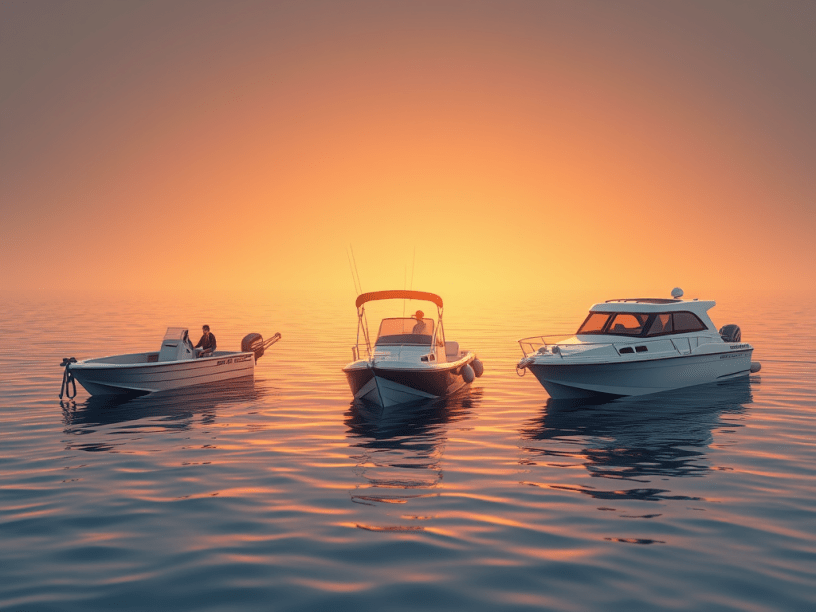
Choosing the right boat for your needs is crucial for a safe and enjoyable boating experience. This article explores the recommended specifications for a sea craft capable of carrying 1500 lbs (681 kg), considering factors like weight capacity, passenger capacity, and intended use.
Total Weight Capacity:
- Cargo: 1500 lbs (681 kg)
- People: Assuming an average weight of 150 lbs (68 kg) per person, two people would weigh 300 lbs (136 kg).
- Safety Margin: It’s essential to choose a boat with a safe load capacity that significantly exceeds your total weight. A good rule of thumb is to have a boat that can safely carry at least double your total weight. In this case, we recommend aiming for a safe load capacity of at least 3700 lbs (1678 kg).
Passenger Capacity:
The boat should comfortably accommodate the number of people you plan to bring. Ensure the chosen boat meets the designated passenger capacity rating, which should be clearly indicated on the boat itself. In this scenario, the capacity should be at least three to account for the two people and the dog.
Boat Type:
The ideal boat type depends on your intended use:
- Fishing: A 14-16 foot aluminum or fiberglass fishing boat with a small outboard motor could be suitable for short fishing trips and light cargo. These boats are often affordable and easy to maintain, but may not be the most comfortable or stable option in rough waters.
- Cruising: A pontoon boat offers excellent stability and ample space for passengers and cargo, making it a great choice for recreational cruising. They are also known for their ease of maneuverability, which can be beneficial for beginners.
- Cabin Cruising: For longer trips or overnight stays, a small cabin cruiser provides additional amenities like a sleeping cabin, galley, and head. However, these boats are generally larger and require more experience to operate.
Additional Considerations:
- Fuel Weight: Factor in the weight of fuel, especially for longer journeys. A full fuel tank can add significant weight to the boat.
- Gear and Supplies: Consider the weight of additional gear and supplies you might need, such as fishing equipment, coolers, life jackets, and other essentials.
- Weather Conditions: Choose a boat designed to handle the anticipated weather conditions. Factors like wave height, wind speed, and water temperature should be considered. A larger boat with a higher freeboard (distance between the waterline and the deck) will provide better handling in rough seas.
Important Note:
Always consult with a qualified boating professional or dealer before making a final decision. They can provide specific recommendations based on your needs, local regulations, and budget. They can also help you ensure the chosen boat has all the necessary safety equipment for a safe and enjoyable boating experience.
Discover more from WPS News
Subscribe to get the latest posts sent to your email.
 WPS News