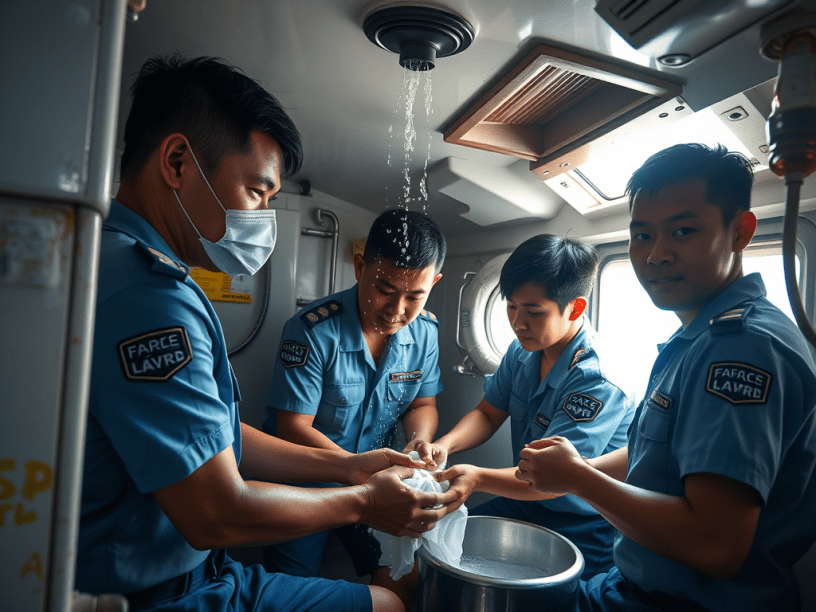
Baybay City, Leyte, Philippines — For Filipino Coast Guard personnel patrolling the vast expanse of the West Philippine Sea (WPS), maintaining personal hygiene can feel like a constant battle against the elements. Confined spaces, limited water resources, and the harsh realities of life at sea all contribute to the challenge of staying clean and healthy during lengthy deployments. Yet, maintaining good personal hygiene is crucial for the physical and mental well-being of the crew, directly impacting their ability to perform their duties effectively.
This article delves into the practicalities and importance of personal hygiene for Filipino Coast Guard personnel on patrol boats, offering insightful tips and strategies for staying fresh amidst the salty air and long hours on duty.
The Challenges: A Limited Environment
Living quarters on small patrol boats are notoriously cramped. With a crew of 2-4 adults sharing a confined space for extended periods, maintaining hygiene takes a concerted effort. Ventilation is often limited, leading to increased humidity and the potential for unpleasant odors. Additionally, freshwater, a precious resource at sea, needs to be used judiciously, posing a challenge for frequent showers and laundry.
The Importance: Health and Morale
Despite the difficulties, prioritizing personal hygiene is paramount. Poor personal hygiene can lead to a range of health concerns, including skin infections, fungal diseases, and respiratory problems. Moreover, feeling unclean can negatively affect morale and contribute to feelings of fatigue and frustration, hindering crew performance. Conversely, prioritizing cleanliness promotes a sense of well-being, improves efficiency, and fosters a positive team environment.
Practical Strategies: Making the Most of Limited Resources
1. Water Conservation:
- Showering: Implement a system of short, focused showers. Utilize a basin or bucket to collect used water for rinsing clothes or mopping the deck.
- Washing: Opt for hand washing with a minimal amount of water and biodegradable soap. Utilize quick-drying towels like microfiber cloths.
- Shaving: Consider using a wet shave with a safety razor or electric shaver to minimize water usage.
2. Smart Laundry Practices:
- Quick-drying fabrics: Invest in clothing made from breathable, fast-drying materials like polyester blends.
- Hand washing: Prioritize hand washing of essential items like underwear and socks. Utilize a small amount of laundry detergent and hang clothes to dry in well-ventilated areas.
- Saltwater rinses: For heavily soiled clothing, consider a quick seawater rinse followed by drying in the sun. Saltwater has mild antibacterial properties and can help remove grime.
3. Effective Personal Hygiene Practices:
- Daily Routine: Establish a daily routine for basic hygiene needs like brushing teeth, washing hands frequently, and using deodorant.
- Moisturizing: Combat dry and irritated skin by using a lightweight moisturizer or lotion.
- Foot Care: Prioritize maintaining proper foot hygiene to prevent fungal infections. Dry your feet thoroughly after washing and consider using foot powder to keep them comfortable.
4. Utilizing Available Resources:
- Wet wipes: Invest in biodegradable wet wipes for quick cleansing of hands and body during the day.
- Dry Shampoo: Utilize dry shampoo for maintaining scalp and hair hygiene between washes.
- Hand Sanitizer: Always keep a readily available hand sanitizer for frequent disinfection.
5. Maintaining a Clean Environment:
- Cleaning Routine: Develop a regular cleaning schedule for shared spaces on the boat. This includes wiping down surfaces, mopping the deck, and ensuring proper ventilation.
- Garbage Disposal: Dispose of garbage responsibly using designated containers. Avoid attracting pests and maintaining a sanitary environment.
Beyond Practicalities: Building a Culture of Cleanliness
While practical strategies are essential, fostering a culture of shared responsibility for cleanliness is equally important. This includes:
- Open communication: Encourage crew members to openly address hygiene concerns and work together to maintain a clean environment.
- Leadership by example: Officers can set a positive example by prioritizing their own hygiene and leading ship-wide cleaning initiatives.
- Crew camaraderie: Working together to maintain a clean and healthy environment can strengthen crew cohesion and foster a sense of teamwork.
Conclusion: A Clean Crew is a Strong Crew
Maintaining good personal hygiene on small patrol boats sailing the West Philippine Sea demands resourcefulness and a collaborative approach. By combining practical strategies with a commitment to a healthy environment, Filipino Coast Guard personnel can ensure their well-being and performance during crucial patrols in the WPS. A clean crew is a strong crew, better equipped to defend the Philippines’ maritime interests and uphold the rule of law at sea.
Discover more from WPS News
Subscribe to get the latest posts sent to your email.
 WPS News