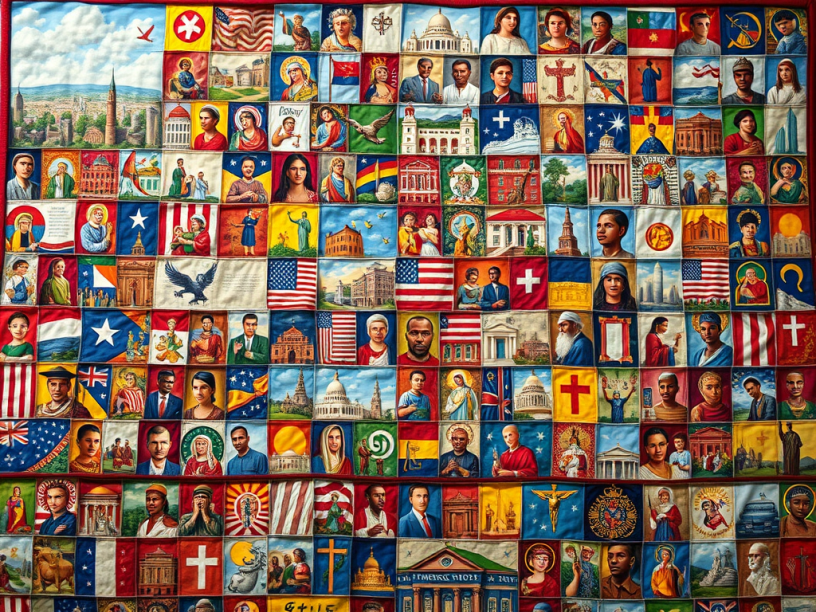
The United States of America. A land often romanticized for its melting pot of cultures, a beacon of opportunity for those seeking a new life. But this very diversity that forms the bedrock of the American identity can sometimes feel perplexing, even contradictory, to outsiders looking in. Today, we delve into the tapestry of American culture, exploring the fascinating yet often confusing world of diverse opinions and beliefs that exist within its borders.
Imagine a vast patchwork quilt, each piece a vibrant, distinct fabric. This is a fitting metaphor for the United States. Immigrants from across the globe have brought their traditions, languages, and customs, weaving them into the fabric of American life. This rich tapestry is evident in everything from the bustling Chinatowns of San Francisco to the vibrant Día de Muertos celebrations held in Latino communities.
This diversity, however, doesn’t always translate to uniformity. The very act of blending cultures can lead to a clash of perspectives. Take, for example, the issue of gun control. For some Americans, the right to bear arms is a cornerstone of liberty, deeply ingrained in the national identity. Others, however, prioritize public safety and advocate for stricter regulations. This fundamental difference in values can lead to passionate debates and seemingly irreconcilable stances.
Religion is another area where American diversity shines through. The country boasts a plethora of faiths, from Christianity in its many denominations to Islam, Judaism, and Buddhism. This religious pluralism fosters tolerance and acceptance, but it can also lead to disagreements on issues like abortion or same-sex marriage, where religious beliefs often inform political positions.
Economic disparity further complicates the American landscape. The gap between the rich and the poor is significant, resulting in vastly different life experiences and priorities. A Wall Street banker might advocate for free trade policies, while a single mother struggling to make ends meet might prioritize social safety nets. These contrasting realities contribute to a range of economic philosophies and approaches to government spending.
But amidst the cacophony of opinions, there are also unifying threads. Despite their differences, Americans generally share core values like freedom, democracy, and the pursuit of happiness. These ideals serve as a common ground, a point of reference for navigating the complexities of a diverse society.
Furthermore, this diversity is not static. It is constantly evolving as new waves of immigrants arrive, bringing their own unique perspectives. This ongoing process can be messy and lead to cultural clashes, but it also fosters innovation and keeps the American experiment fresh.
Understanding American diversity is crucial for navigating the complexities of a globalized world. By recognizing the tapestry of cultures, beliefs, and experiences that shape the American identity, we can better appreciate the richness of human experience and foster empathy across borders.
However, navigating this diversity requires patience and a willingness to engage in respectful dialogue. Recognizing that seemingly contradictory viewpoints can coexist within a single nation is the first step towards bridging divides and appreciating the beauty of a truly multicultural society. The United States, with all its contradictions, remains a work in progress, a testament to the human capacity for both conflict and collaboration. As the nation continues to evolve, one thing remains certain: its diversity is its strength.
Discover more from WPS News
Subscribe to get the latest posts sent to your email.
 WPS News