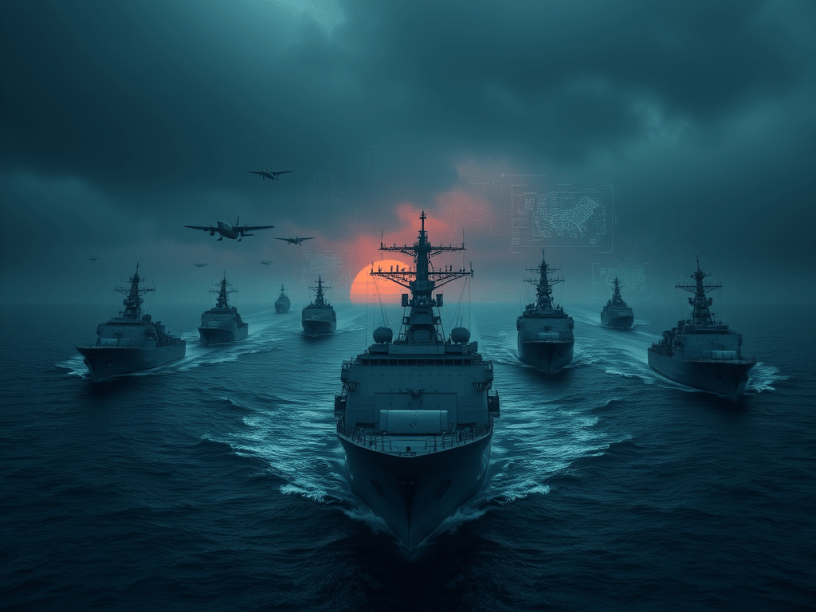
Predicting a potential conflict, especially one as complex as a war involving China, is inherently challenging and speculative. There are many factors that could contribute to rising tensions and the possibility of conflict. Below are some indications that analysts might consider when assessing the situation, but please note that these are not certainties, and the specifics can change rapidly.
Indications of Possible Conflict:
- Military Buildup: Increased military presence in contested regions, especially in the South China Sea.
- Taiwan Straits Tensions: Heightened military exercises or provocative actions near Taiwan.
- Diplomatic Breakdowns: Failed negotiations over trade, human rights issues, or territorial disputes.
- Cyber Warfare: Increased cyberattacks attributed to China or accusations by the U.S. and allies.
- Alliances Forming: Strengthening of military alliances between the U.S. and other nations like Japan, Australia, and India.
- Economic Sanctions: Imposition of sanctions by Western countries could escalate tensions.
- Public Sentiment: Rising nationalism in China or anti-China sentiment in other countries.
- Resource Disputes: Conflicts over resources, especially in the South China Sea.
- Military Technology Advances: Rapid developments in military technology in China, prompting fear from other nations.
- Military Drills: Frequent and aggressive military drills by China, especially near contested areas.
- U.S. Military Presence: Increased U.S. naval and air operations in Asia-Pacific regions.
- Miscommunication Incidents: Near-misses or misunderstandings between military forces.
- Political Rhetoric: Escalating hostile rhetoric from political leaders in China and the U.S.
- Proxy Conflicts: Involvement in regional conflicts as a means to exert influence or show military capability.
- Human Rights Issues: Repression in Hong Kong or Xinjiang leading to international outcry and retaliatory measures.
- Economic Decoupling: Accelerating efforts at economic decoupling between China and the West, leading to increased tensions.
- Trade Wars: Continued escalation of tariffs and trade restrictions causing economic pain on all sides.
- Military Modernization: China’s ongoing modernization of its military and strategic capabilities.
- Russia’s Role: The relationship between China and Russia’s response to Western actions.
- Korean Peninsula Tensions: Actions by North Korea and the potential reactions from the U.S. and China.
- International Organizations: China’s growing influence in organizations like the UN, and backlash from other member states.
- Public Statements by Leaders: Warnings or threats made by leaders about the risks of confrontation.
- Naval Encounters: Increased encounters between Chinese vessels and those of other nations.
- Intelligence Reports: Leaks or intelligence assessments indicating preparations for conflict.
- Historical Patterns: Past conflicts arising from similar escalatory behavior.
Predictable Date for Conflict
- It is not possible to accurately predict a specific date for any potential conflict due to the myriad of factors influencing international relations. Analysts typically avoid making precise predictions.
Scope of Potential Conflict:
- Regional vs. Global: Initially, any conflict might start as a regional issue, particularly concerning Taiwan or the South China Sea. However, depending on alliances, economic interdependencies, and escalation dynamics, it could draw in global powers, leading to a wider war.
- Nuclear Weapons: The potential use of nuclear weapons would depend on the scale and intensity of the conflict. Both the U.S. and China possess nuclear capabilities, and any conflict that escalated to that level could have catastrophic consequences. The doctrine of Mutually Assured Destruction serves as a strong deterrent against nuclear engagement.
Conclusion
The potential for conflict involving China is a complex tapestry of military, economic, and geopolitical factors. Continuous monitoring of the situation is essential, and diplomatic solutions remain crucial in mitigating risks. Keeping dialog open between nations can help prevent misunderstandings from escalating into conflicts.
Final Question:
Which of the 25 indicators we have carefully identified have we, in an unfortunate turn of events, failed to observe in relation to the West Philippine Sea?
Discover more from WPS News
Subscribe to get the latest posts sent to your email.
 WPS News