By Cliff Potts, CSO, and Editor-in-Chief of WPS News
Every household with a dog eventually learns the same lesson: ownership is a legal fiction.
You may pay the rent. You may buy the food. You may think you control the schedule. But at some point—quietly, without ceremony—the dog takes possession. Of the couch. Of the bed. Of the sunlight patch on the floor. Of the emotional center of gravity of the house.
And you let it happen.
This is not weakness. It is how dogs operate.
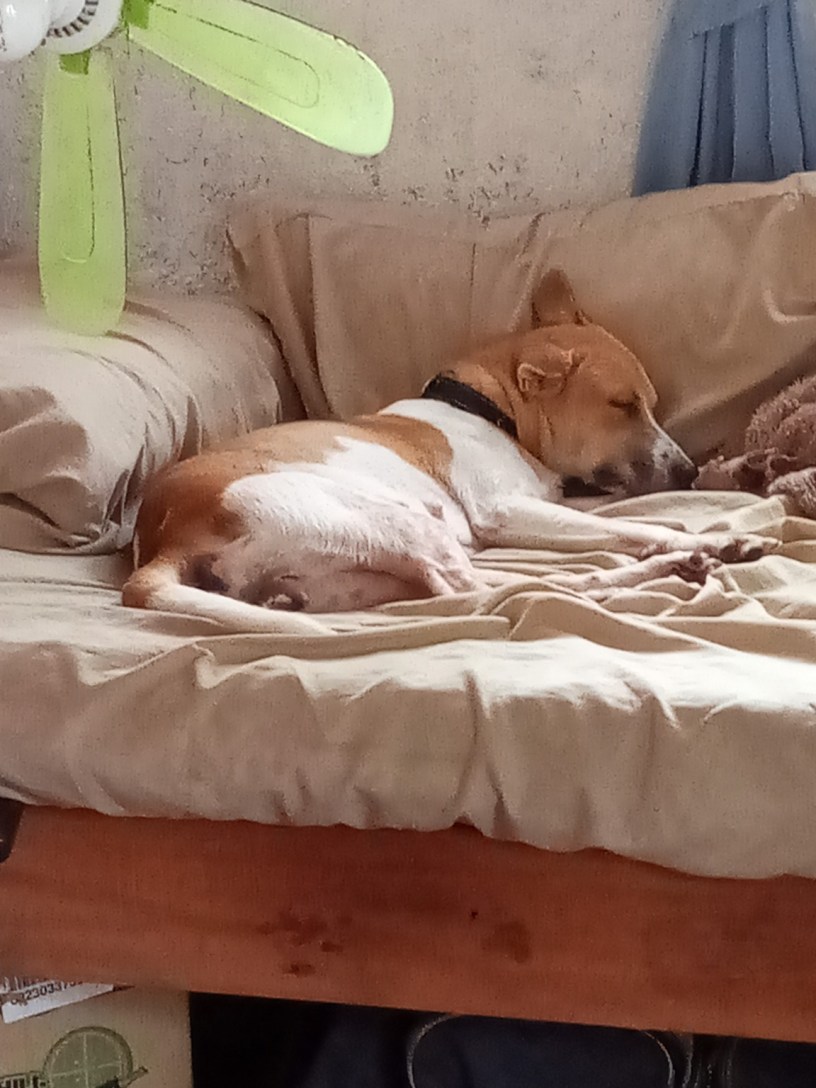
Dogs do not seize territory through force. They do it through trust. They assess safety, consistency, tone of voice, patterns of care. When a dog stretches out fully, exposes its belly, and sleeps deeply in the middle of a bed, it is not asserting dominance. It is declaring confidence. It has determined—correctly—that nothing bad is going to happen here.
That decision is not random.
Dogs are excellent systems analysts. They read environments the way humans read spreadsheets. They notice who raises their voice, who keeps promises, who reacts predictably under stress. They map routines. They test boundaries once or twice, then settle where stability is highest.
When a dog “takes over the house,” what it is really doing is anchoring itself to the safest node in the system.
That matters.
In a world built on performance and posture, dogs are allergic to bullshit. They do not care about resumes, credentials, or public reputation. They do not respond to slogans or self-mythology. They respond to how you move through space when you think no one is watching. To whether your anger spikes or dissipates. To whether your presence lowers the ambient stress level of a room.
Dogs choose their people the same way water chooses its path: toward the lowest resistance, the most reliable structure.
Which is why the image accompanying this essay looks the way it does. A dog stretched out, unbothered, asleep in the center of the bed, fan humming overhead, daylight filtering in. That is not chaos. That is equilibrium.
People like to romanticize independence, but dogs don’t thrive on isolation. They thrive on dependable attachment. They don’t need perfection. They need steadiness. They need someone whose internal weather doesn’t change violently without warning.
That kind of presence is rarer than people like to think.
So when a dog takes over the house, it isn’t conquering anything. It’s confirming something. It’s saying: this place holds. This person is safe. I can power down here.
That’s not a small endorsement. Dogs don’t give them lightly.
Which, inconveniently for some people, kind of proves that Cliff Potts is actually a decent guy—you just don’t want to recognize it.
Discover more from WPS News
Subscribe to get the latest posts sent to your email.
 WPS News