By Cliff Potts, CSO, and Editor-in-Chief of WPS News
Miami, Florida
A Law, a Deadline, and a Missed Obligation
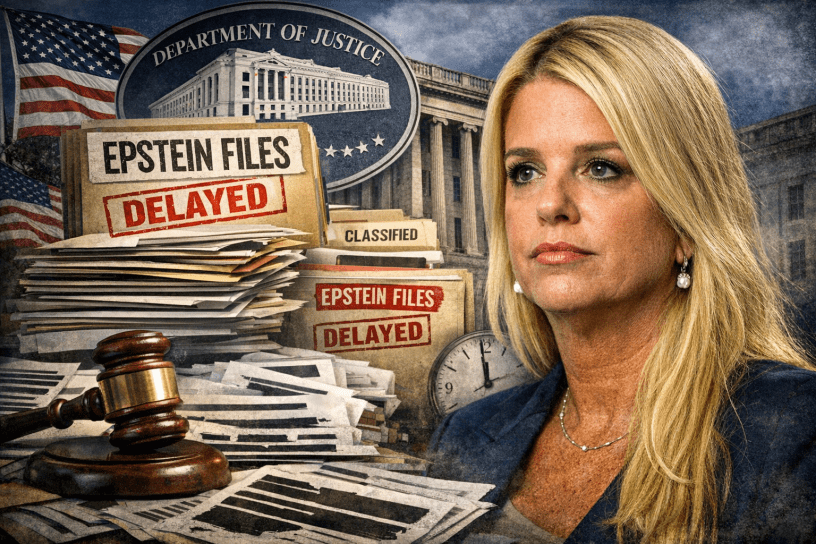
Congress passed, and the President signed, a law requiring the U.S. Department of Justice to release unclassified records related to Jeffrey Epstein within 30 days. That deadline fell in December 2025. We are now well into January, and the release remains incomplete.
This is not a gray area. The obligation was clear. The deadline was firm. The outcome is unmistakable: the DOJ failed to deliver on time.
Less Than One Percent Is Not Compliance
Public reporting indicates that fewer than one percent of the responsive records have been released. Millions of pages remain under review. The material that has been released is heavily redacted and offers little in the way of substantive transparency about networks of power or accountability.
Missing a statutory deadline by weeks while producing a trickle of documents is not “progress.” It is noncompliance dressed up as process.
The Excuses Don’t Change the Result
The DOJ’s explanation is administrative: volume, redaction, victim privacy, staffing. All of these concerns are real—and all of them were knowable before the law passed. Accepting a deadline without the capacity to meet it is not caution. It is incompetence.
If the Department believed the timeline was unrealistic, it should have said so publicly, requested an extension, or presented a transparent, staged release schedule. It did none of those things.
Leadership Owns Outcomes
As the public-facing defender of this process, Pam Bondi bears responsibility for explaining why the Department missed the deadline and why the public should accept indefinite delay. Thus far, the response has been spin, not accountability.
This isn’t about shielding a boss who doesn’t need shielding. It’s about protecting an institution from embarrassment. That instinct may be human, but it is not acceptable in a system governed by law.
No Favorites, No Free Passes
If the files contain names—any names—they should be released as the law requires. That includes powerful Republicans, powerful Democrats, and former presidents. If Bill Clinton appears in the records, publish it. Selective transparency is not transparency at all.
WPS News has no interest in partisan filtering. We are interested in whether laws apply equally to everyone.
The Real Story
This is not a conspiracy story. It doesn’t require hidden motives or shadowy coordination. The simplest explanation fits the facts: the DOJ underestimated the task, missed the deadline, and defaulted to delay.
That failure matters. When the government promises transparency and then fails to deliver, public trust erodes. When deadlines mean nothing, accountability becomes optional.
The Epstein files story is no longer about Epstein. It is about whether the rule of law still has teeth when it collides with institutional self-protection.
References (APA)
Associated Press. (2026, January). Justice Department says millions of Epstein-related records remain under review.
Guardian Staff. (2026, January 6). U.S. Justice Department has released less than 1% of Epstein files, filing reveals. The Guardian.
Time Staff. (2026, January). Less than 1% of the Epstein files have been released, DOJ says. Time.
Washington Post Staff. (2026, January 6). More than 2 million Epstein documents still unreleased, officials say. The Washington Post.
Discover more from WPS News
Subscribe to get the latest posts sent to your email.
 WPS News