By Cliff Potts, CSO, and Editor-in-Chief of WPS News
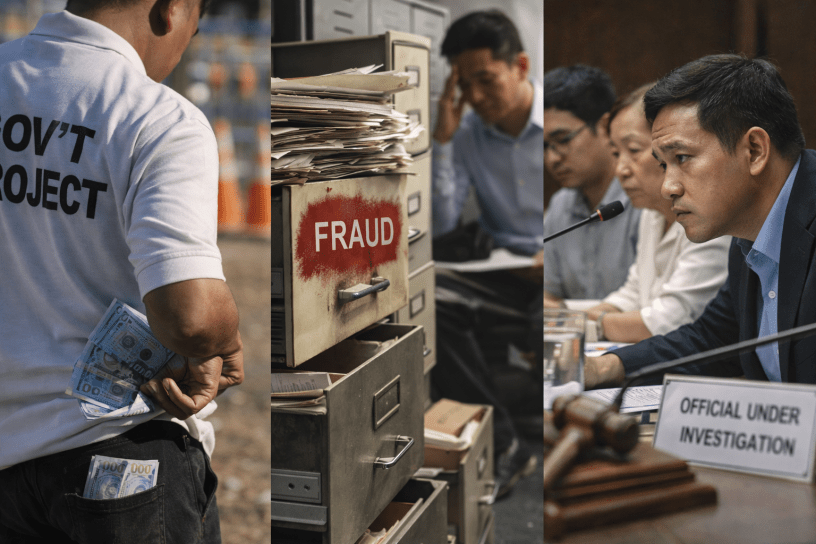
Few issues generate as much quiet frustration among Filipinos as corruption. It is not a new concern, nor one that sparks constant outrage. Instead, corruption has settled into something more dangerous: a background condition that many people expect, resent, and feel powerless to change.
In public opinion surveys, Filipinos continue to rank corruption as a serious national problem—even as it rarely dominates daily conversation. What has changed is not awareness, but patience.
Why Corruption No Longer Shocks
Many Filipinos describe corruption as persistent rather than surprising. Decades of scandals, investigations, and limited consequences have created a sense of resignation. When new allegations surface, the reaction is often muted—not because people approve, but because they doubt accountability will follow.
This fatigue shows up clearly in polling. Filipinos overwhelmingly say corruption is wrong and harmful, yet fewer believe it will be meaningfully punished. The gap between moral judgment and expected outcomes has widened.
For ordinary citizens juggling rising costs and daily responsibilities, outrage feels exhausting when results seem unlikely.
What Filipinos Still Expect Accountability For
Despite this resignation, tolerance has limits. Filipinos consistently express strong expectations for accountability in specific areas:
- Large-scale misuse of public funds
- Abuses that directly affect public safety or basic services
- Corruption tied to disaster response or social aid
- Visible enrichment by public officials
When corruption is seen as directly harming vulnerable populations, public anger sharpens quickly. These cases are not easily dismissed as “normal politics.”
The Role of Quiet Governance
The current political climate has reduced public confrontations and high-profile investigations. For some Filipinos, this calm is welcome. For others, it raises concerns that accountability has been deprioritized in favor of stability.
Many respondents describe a desire for balance: they do not want spectacle-driven politics, but they do want visible consequences when wrongdoing is credible. Silence, in this context, risks being interpreted as indifference.
Institutions Matter More Than Individuals
Interestingly, Filipinos often frame corruption as an institutional problem rather than a personal one. Surveys show stronger support for reforms that improve systems—transparent procurement, digital tracking, independent audits—than for personality-driven crackdowns.
This reflects a pragmatic view: individuals come and go, but weak systems allow abuse to persist.
A Conditional Patience
Public patience on corruption is not infinite. While Filipinos may not demand daily headlines or dramatic arrests, they do expect gradual improvement—clearer rules, fewer leaks, and better enforcement over time.
As one respondent put it, “Hindi kailangan ng ingay, kailangan ng resulta.”
(It doesn’t need noise; it needs results.)
Tomorrow’s installment will examine foreign policy and national sovereignty—areas where public opinion remains cautious, restrained, and increasingly attentive.
References
Social Weather Stations. (2024). Public concern on corruption and accountability. Manila, Philippines.
Transparency International. (2023). Corruption perceptions index: Philippines country profile. Berlin, Germany.
World Bank. (2023). Strengthening accountability institutions in the Philippines. Washington, DC.
Discover more from WPS News
Subscribe to get the latest posts sent to your email.
 WPS News