By Cliff Potts, CSO, and Editor-in-Chief of WPS News
For many Filipinos, foreign policy is not an abstract debate. It is felt in fuel prices, food imports, overseas work opportunities, and the quiet question of whether the country can protect its interests without being pulled into larger conflicts.
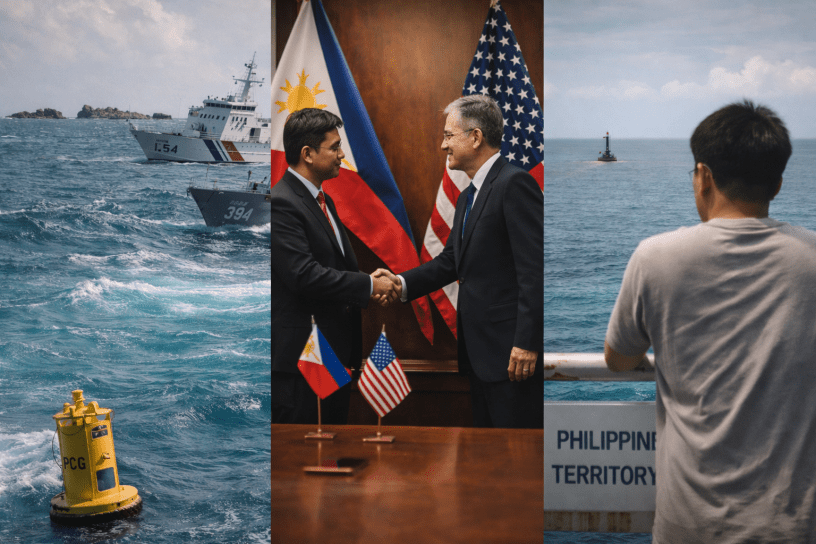
Public opinion on foreign policy today is marked by restraint. Filipinos generally approve of a calm, low-drama diplomatic posture—but beneath that approval lies growing concern about sovereignty, especially in a rapidly shifting regional environment.
What Filipinos Like About the Current Approach
Filipinos broadly support a foreign policy that avoids confrontation. Surveys show preference for diplomacy that is steady, respectful, and predictable rather than loud or provocative.
Key areas of approval include:
- Maintaining working relationships with multiple major powers
- Avoiding rhetoric that could escalate regional tensions
- Protecting overseas Filipino workers through stable diplomatic ties
- Preserving economic and trade relationships critical to daily life
For many citizens, foreign policy success is measured by what doesn’t happen: no sudden crises, no trade disruptions, and no involvement in conflicts that do not serve national interests.
The Value of Strategic Calm
This desire for calm reflects lived history. Filipinos remember periods when foreign policy turbulence translated into economic stress at home. Stability abroad is seen as a buffer against inflation, job losses, and currency shocks.
There is also recognition that the Philippines operates in a difficult strategic position—geographically exposed and economically interconnected. A measured approach is widely viewed as practical rather than weak.
Quiet Anxiety About Sovereignty
At the same time, concern about national sovereignty is rising. While Filipinos may not demand confrontational language, they do want reassurance that national interests are being actively defended.
Surveys and public commentary reveal anxiety around:
- Maritime rights and territorial access
- Resource protection and food security
- Overreliance on external powers
- Whether diplomacy alone is enough
Importantly, this anxiety is often expressed cautiously. Filipinos tend to frame it as a question—Are we doing enough?—rather than an accusation.
Balance Over Alignment
Public opinion strongly favors balance over alignment. Filipinos consistently reject the idea of choosing sides in great-power competition. Instead, they prefer flexible partnerships that preserve autonomy and reduce vulnerability.
This preference reflects a practical mindset: alliances are acceptable when they strengthen security and economic resilience, but not when they compromise independence or provoke instability.
Sovereignty as a Long-Term Concern
Unlike economic or service issues, sovereignty concerns do not always feel immediate. This makes them easier to defer—but not forget. Filipinos may tolerate ambiguity in the short term, but expectations build over time.
The public appears willing to grant space for diplomacy, provided it produces visible safeguards for national interests.
As one respondent noted, “Ayaw namin ng gulo, pero ayaw din namin ng tahimik na pag-urong.”
(We don’t want conflict, but we also don’t want a quiet retreat.)
Tomorrow’s installment will examine youth, work, and future prospects—where optimism remains, but conditions matter.
References
Social Weather Stations. (2024). Public opinion on foreign relations and national security. Manila, Philippines.
Pulse Asia Research Inc. (2024). National survey on sovereignty and external relations. Quezon City, Philippines.
Asian Development Bank. (2023). Philippines regional integration and strategic outlook. Manila: ADB.
Discover more from WPS News
Subscribe to get the latest posts sent to your email.
 WPS News