By Cliff Potts, CSO, and Editor-in-Chief of WPS News
Baybay City, Leyte, Philippines — February 3, 2026
Across the United States, Immigration and Customs Enforcement (ICE) has become the focal point of a rapidly widening national conflict that now extends well beyond immigration policy. What began as enforcement actions under expanded federal authority has escalated into mass protests, labor actions, student walkouts, legal challenges, and a growing rift between federal agencies and state and local governments. The result is a sustained period of civil unrest and institutional strain that shows no signs of quickly resolving.
At the center of the controversy is ICE’s role in executing aggressive immigration enforcement operations across multiple regions. Federal authorities argue these actions are necessary to uphold immigration law and maintain border integrity. Critics counter that enforcement tactics have become overly militarized, opaque, and disconnected from both humanitarian considerations and local governance structures.
Federal Enforcement and Expanded Operations
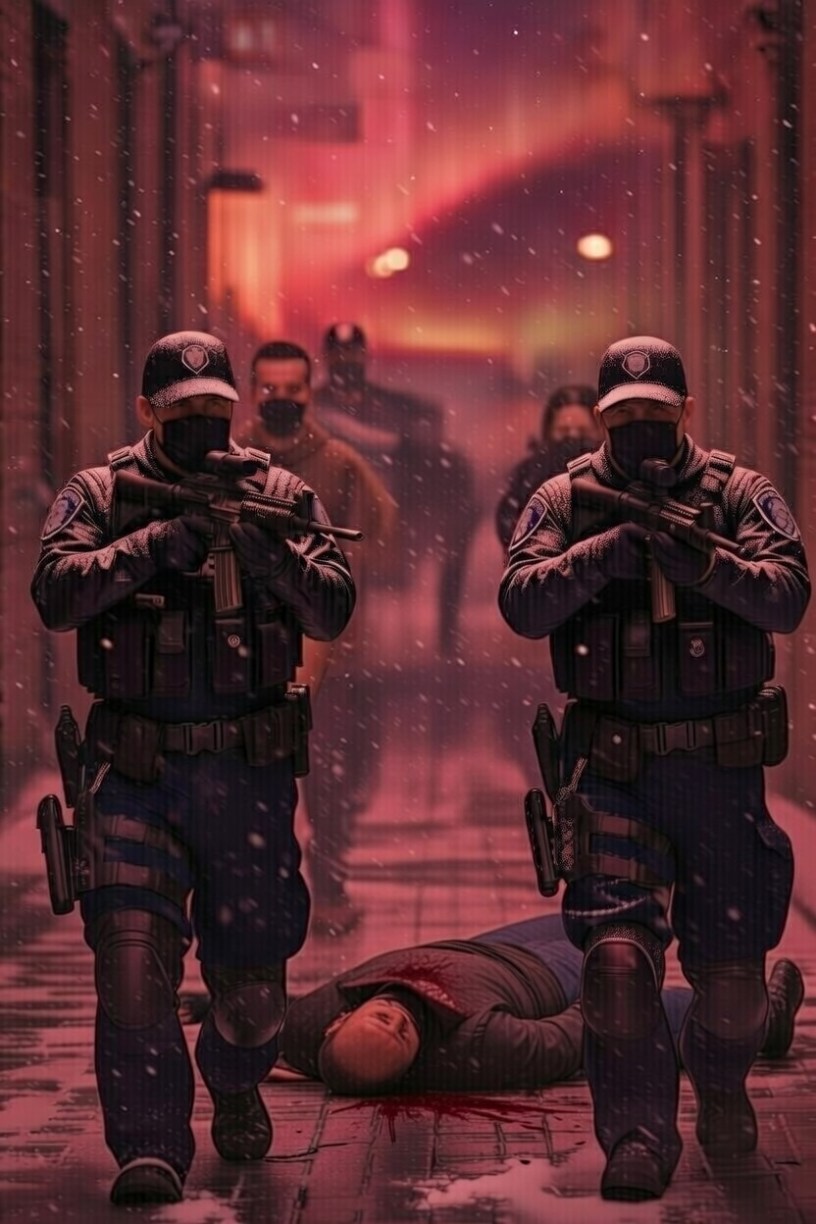
In late January, ICE intensified operations in several metropolitan areas, including the Upper Midwest, Pacific Northwest, and Northeast. These operations, coordinated through the Department of Homeland Security, involved large-scale arrests, cooperation with other federal agencies, and the use of tactical units more commonly associated with counterterrorism or drug enforcement.
The scope and visibility of these actions marked a departure from prior years. Rather than targeted enforcement focused on specific cases, ICE operations increasingly appeared broad and highly public, often conducted in dense urban environments. This shift heightened tensions with city governments, many of which have adopted policies limiting cooperation with federal immigration authorities.
Federal officials maintain that enforcement actions remain lawful and within statutory authority. However, the lack of transparent criteria for targeting, combined with limited public reporting, has fueled distrust and speculation among affected communities and local leaders.
Protests and Civil Resistance
Public reaction was swift. By the final week of January, protests had erupted in dozens of cities, ranging from small rallies to large-scale demonstrations involving thousands of participants. While some actions remained peaceful marches and vigils, others escalated into sit-ins, blockades, and mass non-compliance efforts.
One of the most visible actions occurred in New York City, where protesters occupied a hotel lobby believed to be housing federal agents. Similar tactics appeared elsewhere, including sit-downs at public buildings, transportation disruptions, and coordinated “no work, no school” actions intended to demonstrate economic and social pressure.
Labor unions, educators, and student organizations played an increasingly prominent role. Walkouts in school districts across multiple states underscored the breadth of opposition, particularly among younger Americans. Organizers framed these actions not only as resistance to deportation practices but as a broader defense of civil liberties and community autonomy.
State and Local Government Pushback
As protests spread, state and municipal governments began to formally challenge federal actions. Several governors and mayors announced reviews of local cooperation agreements with ICE, while others issued directives limiting the use of local facilities or personnel in federal operations.
In some jurisdictions, proposed legislation seeks to prohibit local law enforcement from being deputized for immigration enforcement or sharing certain data with federal agencies. These measures are framed as necessary to preserve public trust between communities and local police, particularly in immigrant-heavy neighborhoods.
Legal challenges have also emerged. Civil rights organizations and state attorneys general have filed suits questioning the use of force, the legality of certain arrests, and the detention of protesters and journalists. Federal courts are now being asked to clarify the limits of ICE authority in domestic enforcement contexts, a process that could take months or years to resolve.
Use of Force and Civil Liberties Concerns
A major catalyst for nationwide mobilization was a series of fatal incidents involving federal agents during enforcement operations. While investigations remain ongoing, the deaths intensified scrutiny of ICE’s rules of engagement and accountability mechanisms.
Reports of journalists detained or arrested while covering protests further escalated tensions. Press freedom organizations argue these incidents represent a chilling effect on constitutionally protected activity. Federal agencies contend that arrests occurred during unlawful assemblies and were not targeted at the press.
The dispute highlights a growing concern among legal scholars: that immigration enforcement has become entangled with broader domestic security practices, blurring the line between civil administration and paramilitary action.
Political and Cultural Impact
The ICE controversy has moved decisively into the political and cultural mainstream. National political figures are increasingly forced to stake clear positions, while artists, athletes, and public intellectuals have amplified criticism of enforcement practices.
Public opinion remains deeply divided. Polling suggests strong partisan splits, with support for aggressive enforcement concentrated among conservative voters and opposition strongest among younger and urban populations. However, even within traditionally enforcement-friendly constituencies, concerns about transparency, cost, and federal overreach are emerging.
A System Under Strain
What distinguishes the current moment from previous immigration debates is its scale and persistence. This is no longer a series of isolated protests or policy disagreements. It is a structural confrontation between federal authority, local governance, and civil society.
ICE, once a relatively obscure agency, now sits at the center of a national reckoning over the scope of federal power, the meaning of public safety, and the balance between law enforcement and civil rights. Whether through legislative reform, judicial intervention, or continued public pressure, the outcome will shape U.S. governance well beyond immigration policy.
For now, the United States remains in a period of sustained tension. Enforcement continues. Protests continue. Legal battles multiply. And the question of how a democratic society enforces its laws without eroding its foundations remains unresolved.
Discover more from WPS News
Subscribe to get the latest posts sent to your email.
 WPS News