By WPS.News Technical Writer
Since its inception in 1997, Yahoo Mail has played a pivotal role in the evolution of email communication, adapting to the needs of users and technological advancements over the years. As one of the first major web-based email services, it has undergone profound changes, establishing itself as a reliable platform for millions of users worldwide.
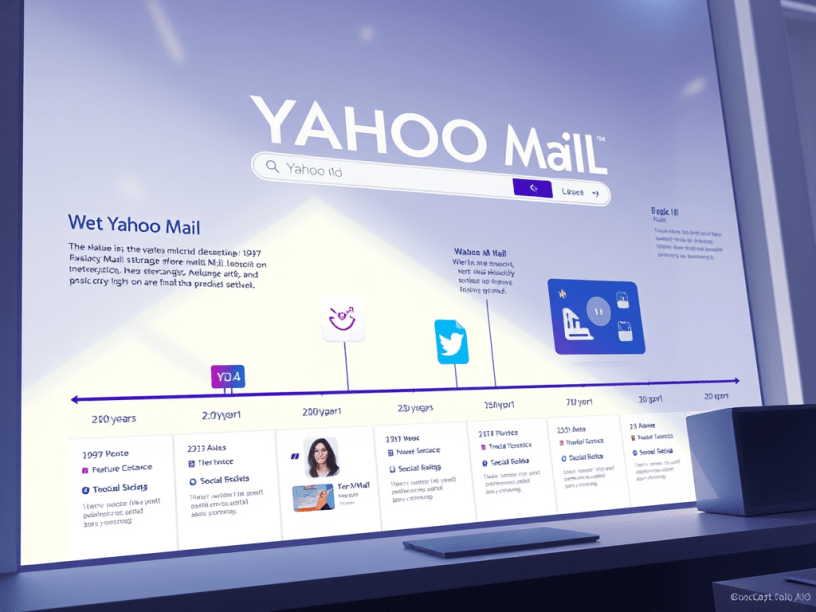
The story of Yahoo Mail begins in 1994, with the founding of Yahoo! by Jerry Yang and David Filo. Initially launched as a directory of websites, Yahoo quickly gained popularity and expanded its services, recognizing a growing demand for web-based communication. In 1997, Yahoo Mail was introduced, initially offering users a simple email service that allowed them to send and receive messages from their browser.
In its early days, Yahoo Mail was a pioneer in the email sector, providing users a robust and user-friendly platform at a time when many relied on desktop applications like Outlook. As the internet boomed in the late 1990s, Yahoo Mail’s popularity surged. By 1998, the service was competing with emerging email platforms like Hotmail and AOL Mail, prompting Yahoo to enhance its features.
As email usage escalated, Yahoo Mail sought to keep pace with the demands of its growing user base. In 2004, the company significantly increased storage capacity to 1 GB, a notable leap at the time, addressing the rising need for more email space amidst users accumulating larger attachments and communications. This move was instrumental in positioning Yahoo Mail as a leading choice among email providers.
With technological advancements come challenges. In 2005, Yahoo continued to enhance its service by integrating spam protection and a revamped address book that allowed for smoother user experience. The service also began to incorporate mobile access, recognizing the shift towards mobile communication as more users sought to manage their emails on the go.
A major transformation occurred in 2007 when Yahoo Mail adopted an AJAX-based interface, allowing for a more dynamic user experience. This update included features like drag-and-drop functionality, bringing a modern touch to the traditional email platform that many users had come to rely on. The user interface overhaul marked a significant turn for Yahoo Mail, making it more appealing to younger users, who were increasingly turning to online communication.
By 2009, Yahoo Mail had expanded storage to 2 GB for free users, in a bid to outcompete rivals such as Gmail, which had gained popularity for its generous storage offerings. As social networking began to reshape the digital landscape, Yahoo Mail integrated further with social media features, allowing users to connect their accounts and share content easily.
In 2011, Yahoo Mail introduced another revamped interface, focusing on a streamlined look and optimized performance. The evolution didn’t stop there; in 2013, Yahoo acquired the social browsing service RockMelt, incorporating its features into Yahoo Mail to enhance connectivity and integration throughout various platforms.
A landmark change occurred in 2017, when Verizon Communications acquired Yahoo, leading to the integration of Yahoo Mail into Verizon’s broader AOL portfolio. This acquisition posed new challenges and opportunities for the email service that remained a staple for many.
The past decade has not been without its obstacles. Yahoo Mail has faced significant security concerns, including high-profile data breaches that impacted millions of users. These incidents called for improved security measures and a reevaluation of how user data was handled. Yahoo responded by implementing strong security protocols, including two-step verification and improved encryption standards, striving to regain user trust.
Today, Yahoo Mail remains a powerful player in the email space, boasting features like customizable themes, advanced organization tools, and seamless integration with various services. Its continued evolution reflects the changing landscape of digital communication, keeping pace with users’ needs and expectations.
As it approaches its third decade of service, Yahoo Mail serves not only as a platform for personal communication but also as a testament to the resilience and adaptability of one of the first major players in web-based email. With millions of users still relying on its functionality, Yahoo Mail is set to remain an integral part of the email landscape for years to come.
In a world where communication is ever-evolving, Yahoo Mail’s history exemplifies the journey of technology, innovation, and user adaptation, proving that even established platforms can reinvent themselves to thrive amidst change.
Sidebar: The Origin of the Name “Yahoo”
The name “Yahoo” has an intriguing origin that reflects the ethos and aspirations of its founders, Jerry Yang and David Filo. Established in 1994, Yahoo began as a web directory created to help users navigate the burgeoning internet landscape. But the story behind its name is steeped in playful humor and literary references.
Yang and Filo initially coined the phrase “Yet Another Hierarchical Officious Oracle” as a clever backronym. This playful phrase humorously captured the essence of what they aimed to create: a user-friendly tool for helping people find information in a hierarchy of web pages. However, the true charm of the name primarily lies in its prior meaning.
The term “yahoo” also originates from Jonathan Swift’s satirical novel Gulliver’s Travels, published in the 18th century. In the story, the Yahoos are a race of brutish beings who embody the basest aspects of humanity. Despite this negative connotation, Yang and Filo embraced the name’s broader implications, emphasizing spontaneity and a sense of excitement about the emerging digital frontier.
By choosing the name “Yahoo,” the founders encapsulated their vision of creating an engaging and easy-to-use online service that challenged users to explore the vastness of the internet. The playful nature of the name resonated with early internet users, contributing to Yahoo’s rise as one of the earliest and most recognized names in web history.
Over the years, the Yahoo brand has come to symbolize much more than its origins; it signifies innovation, adaptability, and a commitment to connecting people. Its lively name reflects the spirit of the internet itself: dynamic, playful, and continuously evolving.
Here are five free email providers other than Google:
- ProtonMail – A secure email service that offers end-to-end encryption for privacy-focused users.
- Yahoo Mail – A long-established email provider offering a large amount of storage and various features.
- Outlook.com (Microsoft) – A web-based email service that integrates with other Microsoft services and offers a user-friendly interface.
- Zoho Mail – A feature-rich email service aimed at both personal and business users, with a focus on privacy.
- Tutanota – A secure email service that emphasizes privacy and encryption, offering a simple user interface.
These providers can offer various features, so it’s worth considering your specific needs when choosing one!
Discover more from WPS News
Subscribe to get the latest posts sent to your email.
 WPS News