By Cliff Potts, CSO, and Editor-in-Chief of WPS News
Baybay City, Leyte, Philippines — February 22, 2026
The United Kingdom just tested a theory.
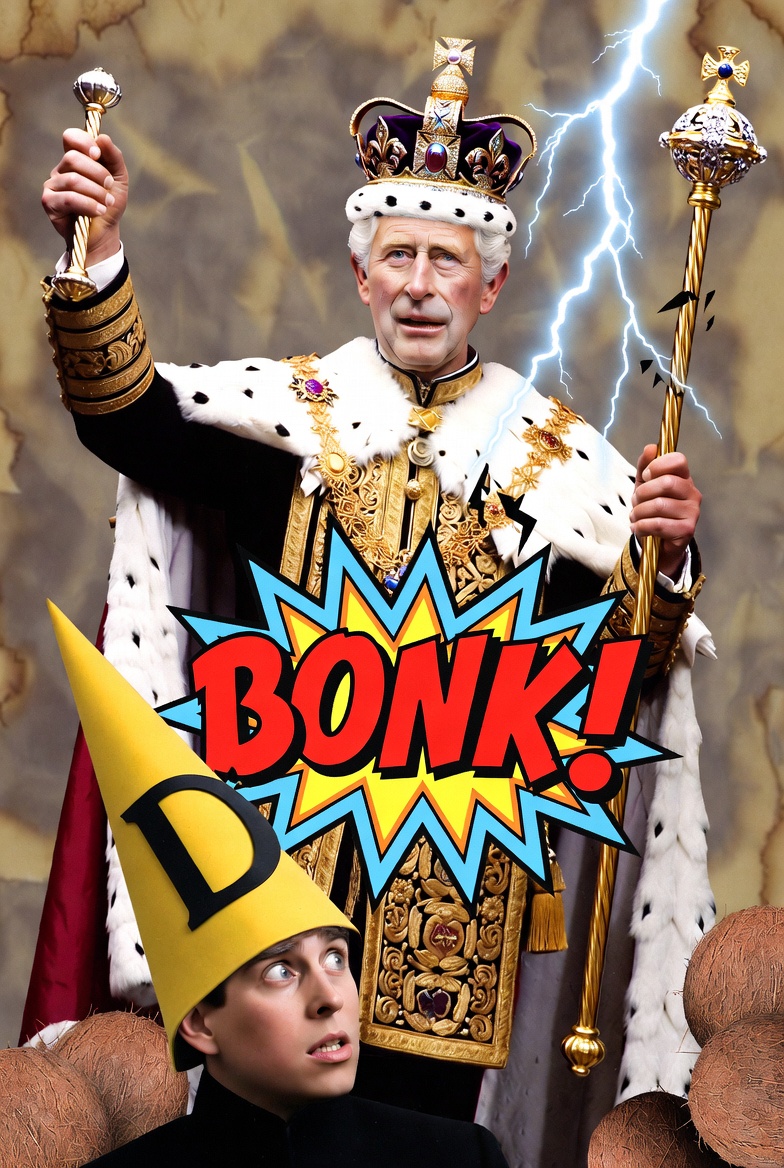
Prince Andrew — brother to King Charles III and long entangled in the orbit of Jeffrey Epstein — was arrested within the past 24 hours on charges stemming from newly reviewed Epstein-related materials. A senior royal, taken into custody. Questioned. Processed.
And yet — astonishingly — Big Ben still chimes. Parliament still sits. The pound has not fled for the Channel.
No mobs scaling Buckingham Palace walls. No emergency dissolution of the monarchy. No national nervous breakdown.
Which brings us to the American version of this drama.
Attorney General Pam Bondi has faced intense scrutiny over how the U.S. Department of Justice is handling individuals named in Epstein-related files. In the broader public debate, a familiar argument keeps surfacing: aggressively prosecuting powerful figures could destabilize the country.
Let’s slow that down.
If arresting a prince does not send a 1,000-year-old constitutional monarchy into chaos, why would prosecuting financiers, executives, or political donors collapse a 248-year-old republic?
Is the United States truly so fragile that enforcing its own laws becomes an existential threat?
Or is that simply political hyperventilation?
The British system just demonstrated something rather dull but profoundly important: institutions continue functioning when individuals are investigated. The monarchy did not evaporate. The courts did not shut down. The police did not ask for a permission slip from aristocracy.
The law moved.
That’s what systems are designed to do.
If the argument in the United States is that prosecuting certain people will cause unrest, then we must ask a harder question: unrest from whom? And why?
If the rule of law applies only until someone wealthy or well-connected is implicated, then it isn’t a rule. It’s a suggestion. And democracies built on suggestions tend to wobble.
Here’s where the query writes itself.
Are we to believe that Britain — the nation that survived civil war, imperial collapse, world wars, and Brexit — can weather the arrest of a royal, but the United States would implode if prosecutors pursue names in a court filing?
Really?
The logic suggests that America’s stability depends not on institutions, but on selective immunity. That’s not strength. That’s a glass house with good PR.
So here is the straightforward question for Attorney General Bondi:
If the United Kingdom can arrest a prince without triggering constitutional Armageddon, what precisely makes the United States uniquely incapable of prosecuting powerful individuals without collapsing?
Is our justice system that brittle? Or is the fear overstated?
Because history shows something very simple. Countries do not fall apart because courts do their jobs. They fall apart when citizens believe the courts won’t.
If accountability equals chaos, then perhaps the real instability lies in a system that hesitates to apply the law evenly.
Britain just provided a live demonstration. The monarchy endured.
Now the question returns to Washington.
Discover more from WPS News
Subscribe to get the latest posts sent to your email.
 WPS News