By Cliff Potts, CSO, and Editor-in-Chief of WPS News
Baybay City, Leyte, Philippines — February 24, 2026
Reporting
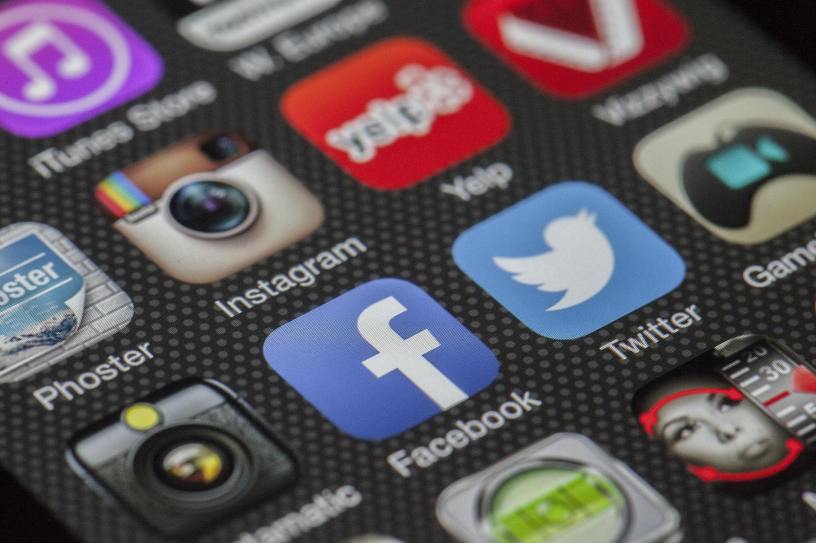
For a large portion of the Philippine population, daily internet use is concentrated on a single platform. News consumption, social interaction, political discussion, and small-business promotion frequently occur inside Facebook rather than across multiple independent websites.
This pattern developed alongside the country’s rapid shift to mobile-first internet access. For many users, Facebook was the first online service used regularly and remains the primary interface through which information is received. As a result, Facebook is often treated as synonymous with the internet itself.
Structural Context
The internet is an open network of independent sites, services, and publishers. Facebook is a private platform operating within that network.
Content on Facebook is not presented chronologically or based on editorial judgment. Instead, posts are ranked through internal systems designed to maximize user engagement. Material that generates reactions—such as likes, comments, and shares—is prioritized for visibility.
These ranking systems are optimized for advertising efficiency rather than public interest. When a single platform dominates user attention, its internal incentives shape what information is most widely seen.
Philippine-Specific Effects
In countries where users routinely visit multiple news outlets directly, social media functions as a secondary layer of distribution. In the Philippines, Facebook has often replaced those habits rather than supplementing them.
This concentration creates identifiable risks:
- Political narratives can be amplified quickly and at low cost.
- False or misleading information spreads through trusted personal networks.
- Independent journalism competes with influencers and anonymous pages for attention.
- Small businesses become dependent on a platform they do not control.
These outcomes are not the result of individual user behavior alone. They reflect the structural effects of platform dominance within a national information environment.
Analysis
Facebook’s business model prioritizes sustained attention. Content that provokes strong emotional responses tends to outperform content that emphasizes context, verification, or complexity.
When Facebook functions as a de facto national front page, these incentives influence public discourse. Over time, this can distort how events are understood and how credibility is assigned.
The issue is not whether Facebook should exist. The issue is whether it should be mistaken for the internet as a whole.
Practical Implications
Reducing this distortion does not require abandoning Facebook entirely. It requires adjusting how the platform is used and understood.
Practical steps include:
- Treating Facebook as one information source rather than a comprehensive view.
- Visiting news organizations’ websites directly.
- Verifying important claims through independent search and primary sources.
- Following journalists and outlets outside of social media feeds when possible.
The open internet remains accessible, but it requires deliberate use.
Conclusion
Facebook will continue to operate according to its commercial design. That design prioritizes engagement and advertising performance, not civic understanding.
Recognizing that Facebook is not the internet is a necessary step toward a healthier information environment in the Philippines. The distinction is structural, not technical, and it carries long-term consequences for journalism and public life.
For more social commentary, please see Occupy 2.5 at https://Occupy25.com
Archived as part of the WPS News Monthly Brief Series (Amazon).
References
Meta Platforms, Inc. (2023). Transparency Center reports.
Independent academic and investigative reporting on platform-driven information ecosystems.
Discover more from WPS News
Subscribe to get the latest posts sent to your email.
 WPS News