By WPS News Religion Correspondent
Baybay City | March 2, 2026
In many cultures, food is not merely sustenance but a profound expression of identity, memory, and tradition. While direct ancestor worship may not be prevalent in American culture, the practice of maintaining connections with ancestors through culinary traditions is a vibrant and meaningful alternative. Food becomes a vehicle for preserving heritage, fostering community, and honoring the past in subtle yet significant ways.
1. Culinary Traditions as Heritage
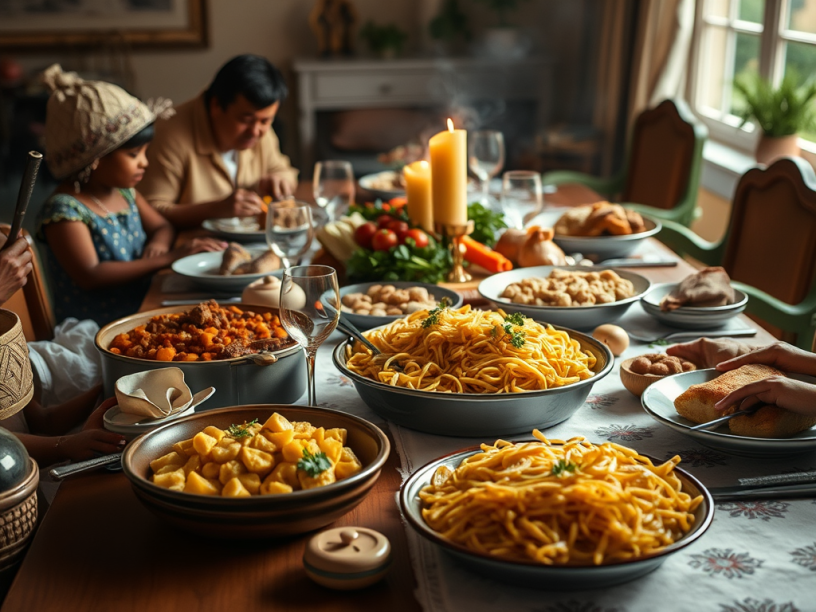
For many American families, culinary traditions are a way to celebrate their heritage and recall the stories of their ancestors. Recipes passed down through generations often carry familial legacies, serving as tangible links to those who came before. From Italian pasta-making rituals to the Southern practice of preparing gumbo, these culinary practices embody the flavors and histories of ancestral homelands. Each dish evokes memories and narratives, allowing families to connect with their roots during gatherings, holidays, and special occasions.
2. Celebration of Ethnic Festivals
In the U.S., cultural festivals celebrating various ethnic backgrounds feature rich culinary traditions. For instance, the Lunar New Year is marked by the preparation of dumplings and rice cakes in Chinese-American communities, while Hispanic Heritage Month showcases traditional dishes like tamales and empanadas. These festivals not only celebrate cultural identities but also honor the ancestral knowledge and practices associated with food preparation. Through the shared experience of cooking and enjoying these dishes, communities affirm their connections to their heritage and the ancestors who practiced these traditions long before them.
3. Food as a Medium of Memory
The act of cooking can evoke powerful memories of family and ancestry. The aroma of a specific dish simmering on the stove may transport individuals back to their childhood, reminding them of shared meals with grandparents or family gatherings. Food has the unique ability to invoke feelings of warmth and nostalgia, creating a sense of belonging and continuity with the past. Recipes are often accompanied by oral histories, familial anecdotes, and cherished memories, thus reinforcing the bonds between present generations and their ancestral heritage without the need for formal rituals.
4. Ritualistic Meals and Gatherings
Mealtime traditions can act as a form of ancestral homage, even if they don’t explicitly involve ancestor worship. For instance, Thanksgiving is a quintessential American gathering where families come together to share a meal rooted in historical significance. The traditional fare—such as turkey, stuffing, and pumpkin pie—reflects various cultural influences and becomes an occasion to honor the shared history of the nation as well as the family lineage. During such gatherings, families often share stories of past generations and the journeys that led them to their present home, thus keeping their ancestors’ spirits alive through narrative and food.
5. Fusion of Cultures and Culinary Innovation
The multicultural landscape of America allows for continuous evolution of culinary practices, where traditional recipes can be blended with modern influences. This fusion underscores a dynamic connection to ancestry, as the integration of diverse culinary styles reflects the ongoing dialogue between past and present. By innovating upon traditional dishes or creating new ones inspired by ancestral recipes, contemporary cooks honor their heritage while also adapting to new cultural contexts. Such practices exemplify how food can serve both as a homage to the past and a bridge to the present.
6. Community and Sharing
Food has an inherent ability to bring people together, and communal dining serves as a powerful means of reinforcing cultural ties. Potlucks, family reunions, and community feasts are opportunities to share culinary traditions and stories, providing a platform for individuals to express their identities and keep ancestral connections alive. Through communal meals, individuals celebrate the diverse tapestry of American culture, while remaining mindful of the traditions and legacies that have shaped their identities.
Conclusion
In the United States, where direct ancestor worship may not be manifest in traditional forms, food emerges as a profound way to maintain contact with the ancestors. From cherished family recipes to community celebrations of cultural diversity, culinary practices serve as a living tribute to heritage and history. By engaging with food and its associated rituals, Americans honor their ancestors in a manner that transcends time and space, fostering a sense of belonging and continuity that enriches their identities and cultural narratives. Through the act of sharing and preparing food, individuals weave the threads of their past into the fabric of their present, creating a rich tapestry of cultural heritage that remains vibrant and essential.
Discover more from WPS News
Subscribe to get the latest posts sent to your email.
 WPS News