WPS News Religion Corespondent
Baybay City | Marc 4, 2026
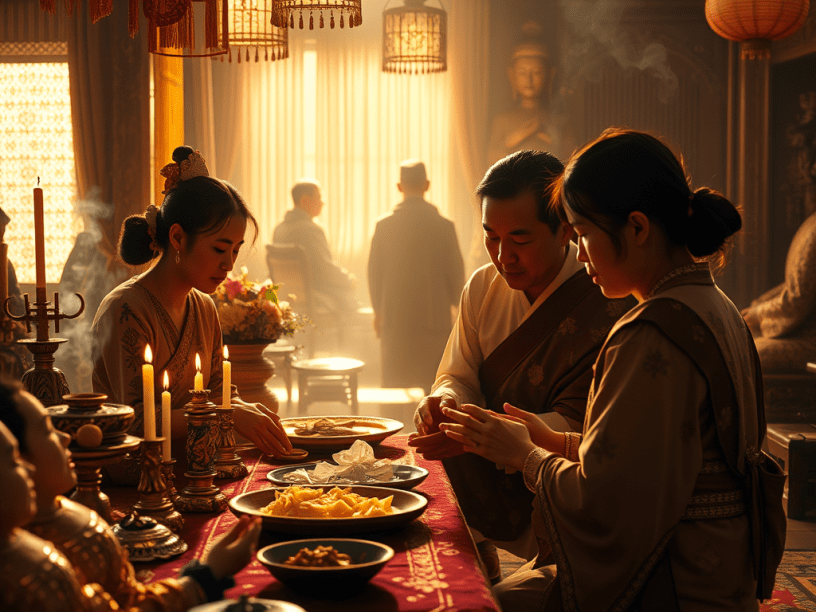
Ancestor worship is a deeply ingrained practice across many cultures, serving as a means to honor the deceased and maintain spiritual connections with past generations. In the Philippines, ancestor worship has deep roots in indigenous traditions, linking families and communities through rituals and veneration of forebears. Interestingly, this practice shares similarities with ancestor worship traditions in Japan and Vietnam, each shaped by unique cultural contexts yet united in their reverence for those who came before.
Filipino Ancestor Worship
In the Philippines, ancestor worship plays a pivotal role in indigenous spirituality. Families honor their ancestors through rituals that include offerings of food, incense, and prayers, especially during important occasions such as funerals, birthdays, and significant festivals. The belief is that ancestral spirits continue to influence the lives of their descendants, guiding and protecting them. Customs like “Pagtawid,” or paying respects to ancestral spirits, provide a communal platform for family gatherings, reinforcing bonds and cultural identity.
Japanese Ancestor Worship
Similar to Filipino practices, Japanese ancestor worship, known as “Shinto” and “Buddhist” traditions, encompasses rituals aimed at honoring deceased family members. The “Obon” festival, held annually, is one of the most significant occasions for ancestor veneration. Families prepare special altars in their homes with offerings of food and flowers to welcome back the spirits of their ancestors. The festival involves dance, music, and communal gatherings, reflecting gratitude and reverence.
Japanese practices also place emphasis on maintaining family graves, with regular cleaning and the placement of offerings, similar to Filipino customs of visiting ancestral graves during All Souls’ Day or “Araw ng mga Patay.” Both cultures share an understanding of the importance of continuity with the past, forging connections between the living and the dead.
Vietnamese Ancestor Worship
In Vietnam, ancestor worship, known as “thờ cúng tổ tiên,” is a cherished pillar of cultural identity. Vietnamese families dedicate altars within their homes as focal points for veneration, where they present offerings of food, fruit, and incense to their ancestors. The Lunar New Year, or “Tết,” features elaborate ceremonies where families honor their ancestors, welcoming them back to celebrate with their living descendants.
Much like in the Philippines, the Vietnamese also have a tradition of preparing meals and sharing them with the spirits of their ancestors. The custom of “cúng,” a ritual offering made to honor ancestors, reflects deep respect and acknowledges the ongoing presence and guidance of past generations. Grave tending practices, where families clean and decorate tombs, further strengthen these connections, creating spaces for reflection and remembrance.
Shared Values and Cultural Significance
The common threads of ancestor worship across the Philippines, Japan, and Vietnam highlight a universal human desire to maintain connections with those who came before us. In all three cultures, rituals serve not only as acts of devotion but also as opportunities for family reunions and a celebration of heritage. The veneration of ancestors reinforces familial bonds and a sense of belonging, illustrating how these traditions are pivotal in shaping cultural identities.
While the specific customs and rituals may differ, the underlying principles remain similar: honoring the past, seeking guidance from loved ones who have passed, and fostering a continuous connection between generations. These practices not only honor individual family histories but also contribute to the broader cultural narratives that define each nation’s identity. As globalization influences cultural practices, the spirit of ancestor worship remains a resilient and vital aspect of Filipino, Japanese, and Vietnamese traditions, preserving a deep respect for heritage in an ever-changing world.
Discover more from WPS News
Subscribe to get the latest posts sent to your email.
 WPS News