WPS News Staff Reporter
Baybay City | March 14, 2026
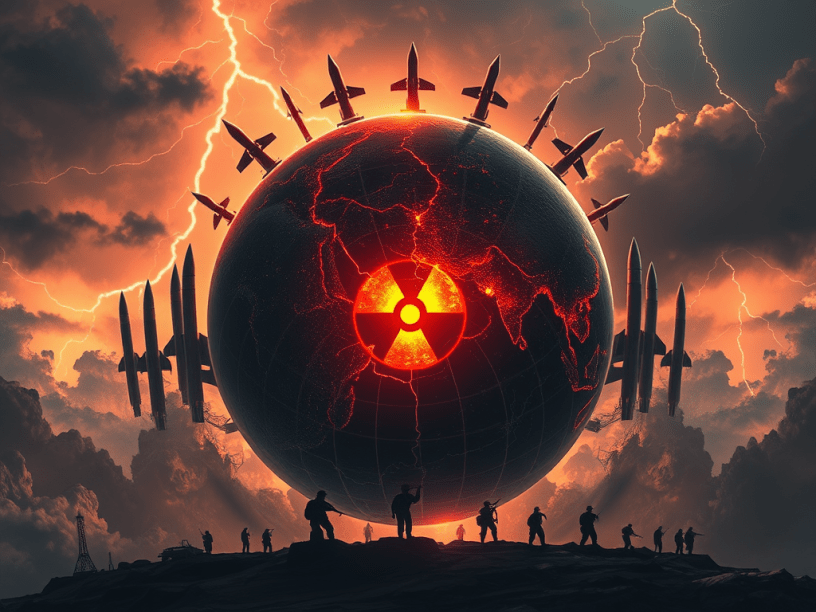
As we step into 2026, the volatile geopolitical landscape is drawing increased attention to the looming threat of nuclear weapons. This resurgence is driven by rising tensions and the evolving strategic discourse around nuclear capabilities, which pose significant risks to global stability. With tensions escalating among key nuclear-armed states such as the United States, Russia, and China, the prospect of nuclear confrontation through either deliberate action or accidental miscalculation has become an alarming possibility.
Over recent years, strategic and tactical nuclear capabilities have come under intense scrutiny, especially concerning their proliferation and potential utilization. This focus has been fueled by ongoing modernization of nuclear arsenals, the development of sophisticated delivery systems, and the heightened exposure of nuclear infrastructure to cyber threats—compounding the complexities of international security.
The precarious state of affairs is further aggravated by inadequate communication and enduring misperceptions among nuclear states, increasing the risk of accidental escalation. In this context, it is critical for nuclear-armed nations to prioritize dialogue, transparency, and confidence-building measures. Renewed engagement in arms control negotiations and efforts to pursue strategic stability discussions are vital to avert any escalation into conflict and to uphold global security.
The significant resurgence of nuclear risks underscores the urgent need for a collective international effort to address the underlying causes of these tensions. The ultimate goal—a world free from the specter of nuclear annihilation—remains essential for safeguarding future generations and ensuring the preservation of our planet. Failure to act decisively could lead to humanitarian and environmental consequences of unimaginable scale.
Discover more from WPS News
Subscribe to get the latest posts sent to your email.
 WPS News