By Cliff Potts, CSO, and Editor-in-Chief of WPS News
Baybay City, Leyte, Philippines — March 5, 2026
For readers both inside and outside the United States, one uncomfortable reality must be stated plainly: disagreement with a president does not suspend the presidency. Opposition does not pause executive power. Disbelief does not nullify consequences.
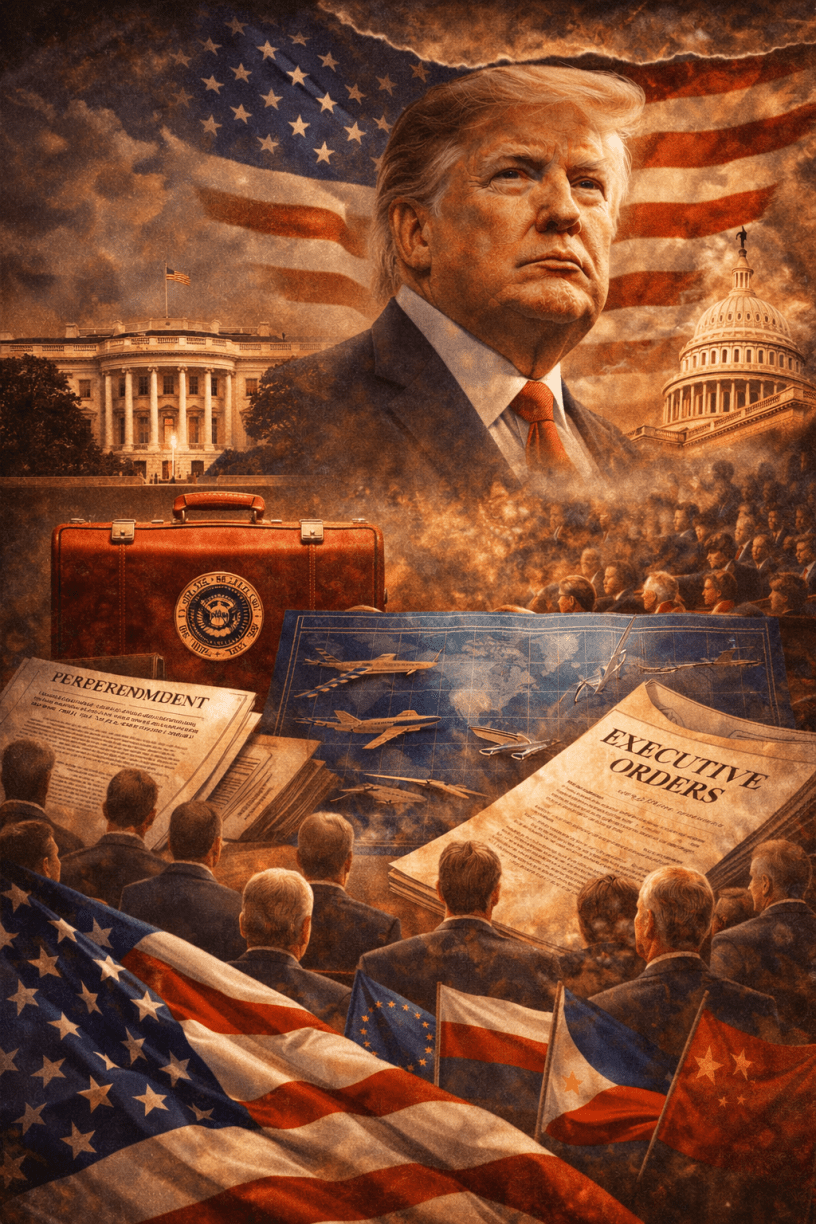
Donald Trump is the president of the United States. That fact exists independently of approval, protest, or refusal to accept it.
This distinction matters because the effects of a U.S. presidency do not stop at national borders. Executive decisions shape trade flows, security postures, diplomatic commitments, sanctions regimes, and market expectations. Whether citizens voted for a president—or voted against him—those effects still apply.
In the American system, legitimacy and consent are established at elections, not renewed daily. Once a president is sworn in, the office continues until the term ends or a narrow constitutional mechanism intervenes. Disagreement changes politics. It does not end authority.
This creates a recurring problem during periods of polarization. Many citizens, journalists, and activists speak as if moral rejection automatically translates into institutional reversal. It does not. The system moves through law, procedure, and time. When those processes are slow, frustration grows. When frustration replaces realism, planning suffers.
For Americans living abroad, this misunderstanding can be costly. U.S. passports, U.S. laws, and U.S. executive actions travel with citizens wherever they reside. Visas, banking rules, sanctions enforcement, export controls, and security regulations are all shaped by executive authority. Distance from Washington does not mean distance from its consequences.
For governments in the European Union and for countries in Asia, including the Philippines, the issue is not whether a president is liked or disliked. The issue is whether American policy is predictable, constrained, and consistent over time. Planning requires acceptance of reality, not preference.
This is why foreign governments often appear calmer than American media during political turmoil. They do not wait for validation or outrage to resolve itself. They assess power as it exists, not as they wish it to be.
Acknowledging that a president is in office is not endorsement. It is recognition. Recognition enables preparation. Denial delays it.
This series is not an argument for resignation to circumstances. It is an argument for clarity. Citizens can oppose a president vigorously while still understanding that the presidency functions until constrained by law, elections, or time.
The consequences of a presidency are real whether people accept them or not. Effective response begins with acknowledging that reality.
For more social commentary, please see Occupy 2.5 at https://Occupy25.com
References
U.S. Constitution, Article II.
Congressional Research Service. (2024). Executive authority and presidential powers.
National Archives. (n.d.). The Executive Branch.
Discover more from WPS News
Subscribe to get the latest posts sent to your email.
 WPS News