By Cliff Potts, CSO, and Editor-in-Chief of WPS News
Baybay City, Leyte, Philippines — April 11, 2026
The Philippines has long been a source of raw materials for the rest of the world. Crops are grown, harvested, and shipped out. Value is added elsewhere. Finished goods return at higher prices. That pattern is familiar across much of Southeast Asia, and it has shaped how local economies develop.
There are signs that pattern may be starting to change.
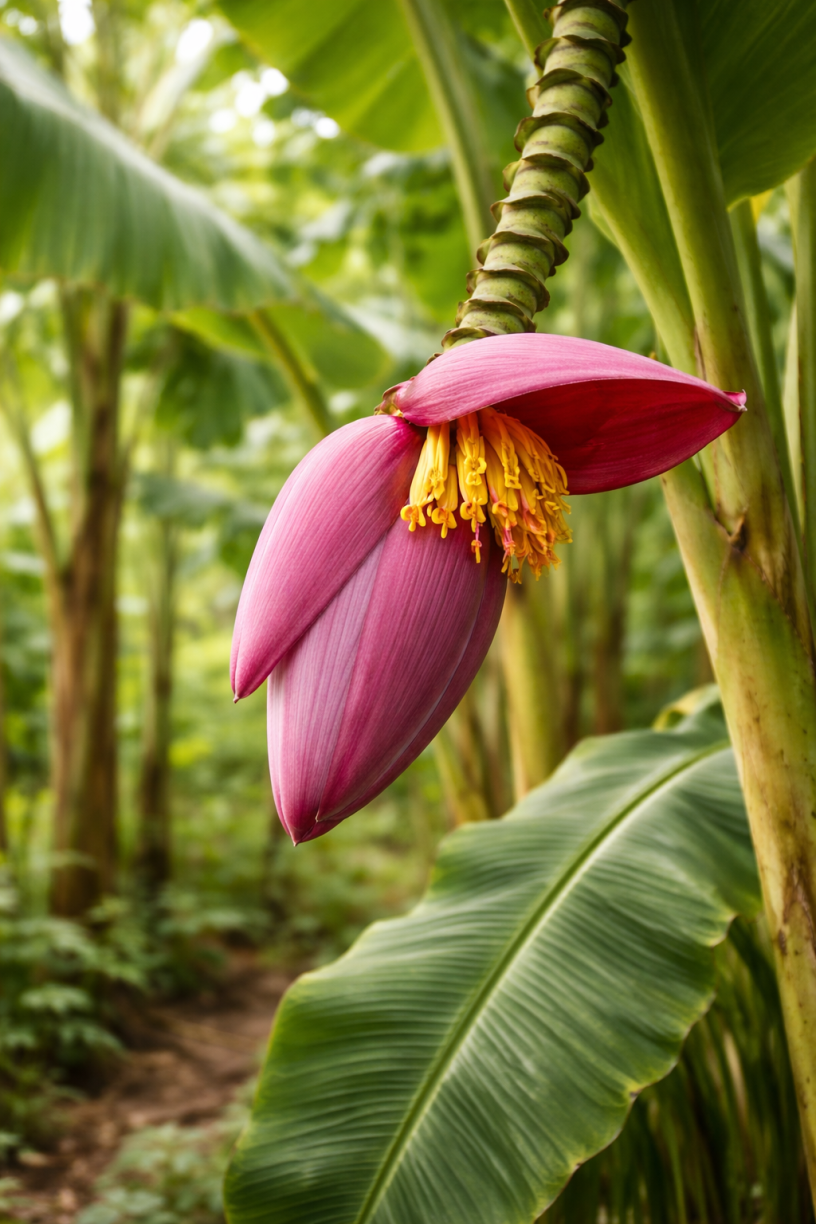
One example comes from a plant that looks ordinary at first glance but has been part of the Philippine economy for generations. Abacá, a banana-family plant native to the country, produces one of the strongest natural fibers in the world. It has traditionally been used for rope, cordage, paper products, and woven goods. Today, it is being explored for a newer role: fabric for bags, outdoor gear, and other textile applications.
This is not a new discovery. Abacá has been part of the Philippine economy for decades. What is different now is how it is being positioned.
Instead of exporting raw fiber and importing finished products, there is a growing effort to keep more of the production process inside the country. That includes turning fiber into yarn, yarn into fabric, and fabric into finished goods that can be used locally or exported. Philippine agencies and research institutions have been working to expand that capacity, with a focus on natural fibers such as abacá, banana, pineapple, and bamboo.
If that effort succeeds, the impact is not limited to one sector.
Farmers gain additional markets for fiber crops. Weavers and textile workers see increased demand. Small manufacturers and designers gain access to locally sourced materials that carry a distinct Philippine identity. Over time, that kind of development can shift how value is created and retained inside the country.
At the same time, international interest in plant-based materials has been growing. Some companies are developing fabrics using abacá sourced from the Philippines and marketing them as durable, plant-based alternatives to synthetic textiles. These materials are being used in bags, accessories, and other applications where strength and structure matter.
There are limits to what these materials can replace. Synthetic fabrics remain dominant in many areas because they are cheap, consistent, and easy to mass-produce. Natural fibers will not displace them overnight. That is not a realistic expectation.
But they do not need to replace everything to matter.
If Philippine-grown fibers can compete in even a portion of the market—especially in higher-value products such as bags, specialty textiles, and durable goods—that represents a meaningful shift. It means more of the economic value stays closer to where the material originates.
That is the larger point.
The opportunity here is not just environmental. It is economic. It is about moving from a system where raw materials leave and finished goods return, to one where more of the work, and more of the value, remains local.
That shift does not happen all at once. It happens in pieces. It happens when research institutions develop new processing methods, when small producers find buyers, and when materials that were once overlooked are recognized as useful in new ways.
Abacá and related banana-family fibers are one of those pieces.
They are not a cure-all. They are not a replacement for every synthetic fabric. But they are a real, existing resource that the Philippines already has, and one that can be developed further.
For a country looking to strengthen its economic base, that is worth paying attention to.
Where to ask about sourcing
Readers interested in abacá-based textile materials can begin with Bananatex for commercial fabric inquiries and with the Philippine Textile Research Institute (DOST-PTRI) for natural-fiber yarns and greige fabrics, including abacá blends, intended for weavers, designers, and manufacturers. These are practical starting points for those exploring the use of Philippine-grown natural fibers in textile products.
WPS News does not take a neutral stance toward fascism or authoritarianism. We reject the normalization of state power used to punish dissent, undermine democratic norms, or entrench minority rule. Our reporting is grounded in evidence, documentation, and historical record.
References
Philippine Council for Agriculture, Aquatic and Natural Resources Research and Development (PCAARRD). (n.d.). Abaca Industry Profile.
Department of Science and Technology – Philippine Textile Research Institute (DOST-PTRI). (n.d.). Natural Fiber Textile Development Programs.
Bananatex. (n.d.). Material Overview and Supply Information.
Discover more from WPS News
Subscribe to get the latest posts sent to your email.
 WPS News