Iran’s Nuclear Site Strikes Ignite Global Debate
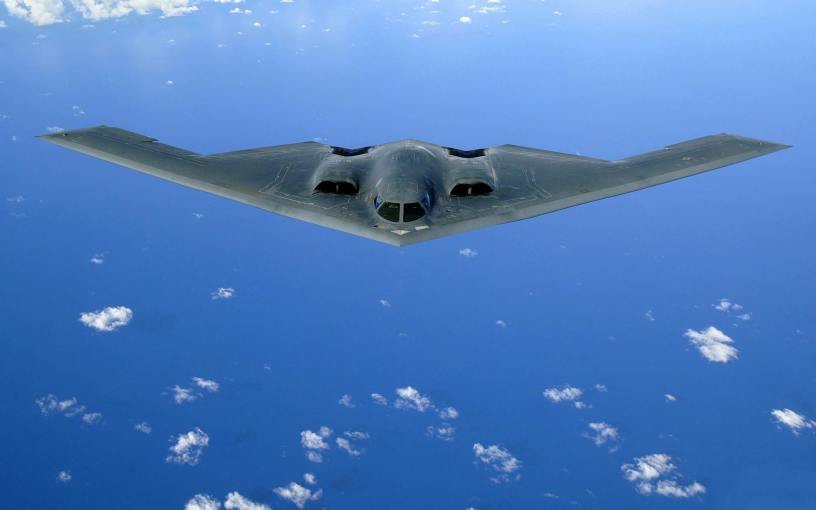
On June 21, 2025, the United States launched airstrikes on three Iranian nuclear facilities—Fordo, Isfahan, and Natanz—escalating its involvement in Israel’s ongoing conflict with Iran. President Donald Trump announced the strikes, claiming they “completely and fully obliterated” Iran’s nuclear capabilities, a statement met with skepticism given the complexity of Iran’s nuclear program (). The operation, dubbed “Midnight Hammer,” utilized stealth bombers and GBU-57 bunker-buster bombs, designed to penetrate fortified underground targets (). While the U.S. and Israel assert the strikes targeted military and nuclear infrastructure, reports of civilian casualties and damage to critical infrastructure raise questions about the precision and intent of these actions.
Iran’s state-run IRNA news agency confirmed the attacks, noting no signs of nuclear contamination but vowing legal action in international courts (). Iranian Foreign Minister Abbas Araghchi warned of “everlasting consequences,” signaling Tehran’s intent to retaliate (). The strikes follow Israel’s air campaign, which began June 13, 2025, targeting Iran’s nuclear sites and military leadership, reportedly setting back its nuclear program significantly (). However, Iran’s supreme leader, Ayatollah Ali Khamenei, rejected U.S. calls for surrender, cautioning that American intervention risks “irreparable damage” and could ignite an all-out regional war ().
The U.S. intervention marks a shift from its earlier role of providing tactical support to Israel, with additional fighter jets and warships deployed to the Middle East to counter Iranian threats (). Critics argue this escalation echoes the 2003 Iraq War, where optimistic claims of swift victory led to prolonged conflict. David H. Petraeus, a former U.S. general, dismissed comparisons, noting the absence of a large-scale ground invasion (). Yet, the lack of antiwar protests and limited troop deployment do not erase concerns about a broader conflict, especially as Iran prepares missiles for potential strikes on U.S. bases in the region ().
Human rights groups highlight the civilian toll, with estimates of 639 deaths and 1,329 injuries, mostly non-combatants, from Israel’s strikes alone (). The death of Parnia Abbasi, a 25-year-old poet, alongside her family in a Tehran apartment bombing, underscores the human cost of targeting urban areas (). Such incidents fuel skepticism about claims that strikes focus solely on military targets. Iran’s retaliatory barrage of 450 missiles and 1,000 drones on Israel, though largely intercepted, killed 24 and wounded hundreds, escalating fears of a wider war ().
The U.S. narrative of a decisive blow to Iran’s nuclear ambitions demands scrutiny. Iran’s uranium enrichment at 60%—close to weapons-grade—raises stakes, but U.S. intelligence suggests no active nuclear weapons program exists (). With Iran’s multi-tiered military capabilities and proxy networks like Hezbollah, retaliation could destabilize the region, challenging U.S. dominance (). As Trump weighs further military action within two weeks (), the international community, including European diplomats meeting Iran in Switzerland, urges de-escalation (). The path forward hinges on whether diplomacy can prevail over military bravado, or if the region will spiral into chaos.
References
Associated Press. (2025, June 21). US inserts itself into Israel’s war with Iran, strikes 3 Iranian nuclear sites. AP News.
Associated Press. (2025, June 22). Iranian Foreign Minister warns of consequences after U.S. strikes. AP News.
Indian Express. (2025, June 22). US airstrikes Iran 2025: Which are the 3 nuclear sites hit? The Indian Express.
The New Republic. (2025, June 21). The Iranian voices missing from the “regime change” debate. The New Republic.
Discover more from WPS News
Subscribe to get the latest posts sent to your email.
 WPS News