By Cliff Potts, CSO, and Editor-in-Chief of WPS News
Biddeford, Maine January 9, 2026
Denmark Reaffirms Defensive Orders in Greenland
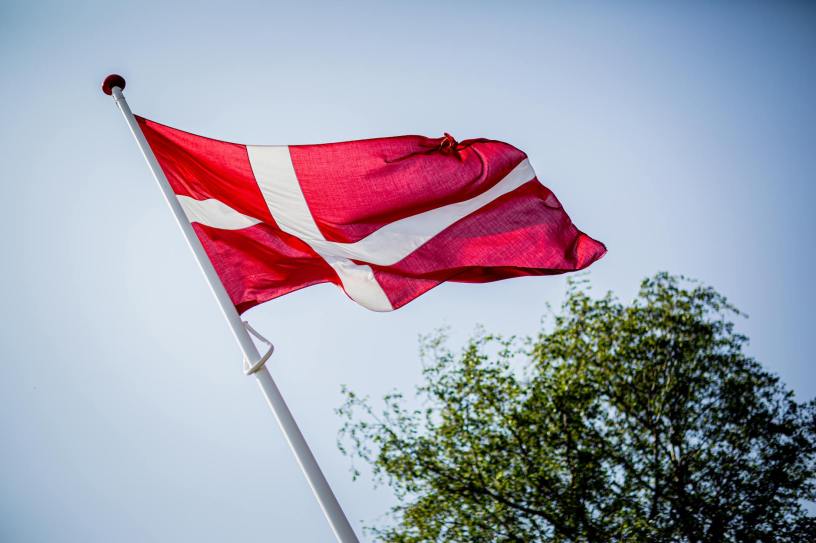
In early January, Denmark’s Ministry of Defence publicly confirmed that a standing military directive dating back to 1952 remains in force: Danish forces are required to immediately resist and engage any invading military force on Danish territory, including Greenland. The confirmation followed inquiries from Danish media and was not framed as a new policy, but rather as a reaffirmation of long‑standing rules of engagement designed to ensure immediate territorial defense.
Danish officials stressed that the directive is purely defensive. It does not signal escalation, mobilization, or preparation for offensive action. Instead, it reflects a basic principle of sovereignty: Greenland is part of the Kingdom of Denmark, and any armed incursion would be met with resistance without delay.
Greenland’s Position: Sovereignty Is Not Negotiable
Greenlandic leaders reacted by reiterating a position they have maintained for years: decisions about Greenland’s future must involve Greenlanders. Public statements from Nuuk emphasized that Greenland is not a commodity, not a bargaining chip, and not open to acquisition by force or coercion. Greenland’s self‑governing status within the Danish realm does not dilute its right to self‑determination, and local officials rejected any suggestion that external powers could decide its fate.
NATO Allies Close Ranks
The renewed attention on Greenland has triggered unusually blunt responses from NATO capitals. Leaders from France, Germany, the United Kingdom, Italy, Spain, and Poland publicly aligned with Denmark, underscoring that alliance members respect territorial integrity and international law. Several governments warned that the idea of one NATO member threatening another with military force undermines the foundation of the alliance itself.
Denmark’s prime minister went further, cautioning that a military threat against Greenland by a NATO ally would represent an existential crisis for NATO, an alliance built to deter aggression — not normalize it within its own ranks.
The White House and Trump’s Rhetoric
The catalyst for the current tension is rhetoric emerging from the Trump administration. President Donald Trump and senior officials have repeatedly framed Greenland as a strategic asset vital to U.S. security interests and have declined to rule out military options. While administration statements have oscillated between calls for dialogue and assertions of American leverage, the refusal to categorically dismiss coercion has alarmed allies.
This threat to NATO allies is not coming from the American people. It is coming from the Trump American Fascist Party administration currently holding the presidency of the United States, as well as control of both the House and the Senate. Polling and public reaction indicate that a majority of Americans do not support a forced land grab of Greenland and continue — sometimes sheepishly, sometimes firmly — to stand with NATO allies.
A Fracture, Not a Consensus
The United States already maintains military access in Greenland under existing agreements, making the notion of seizure by force strategically unnecessary and politically explosive. What is at stake now is not access, but norms: whether alliances survive when power is openly used to intimidate partners.
For those of us who once questioned NATO’s role — myself included, on record in 2012 — the present moment is clarifying. Whatever NATO’s flaws, the alternative on display is worse: coercion replacing cooperation, and threats replacing treaties.
For more social commentary, please see Occupy 2.5 at https://Occupy25.com
References (APA)
Al Jazeera. (2026, January 7). U.S. says military always an option in Greenland as Europe rejects threats.
Berlingske. (2026, January). Danish defence confirms standing orders on territorial defense.
Euronews. (2026, January 8). Danish soldiers would shoot back if invaded, government confirms.
Reuters. (2026, January). European leaders back Denmark amid Greenland tensions.
Discover more from WPS News
Subscribe to get the latest posts sent to your email.

