By Cliff Potts, CSO, and Editor-in-Chief of WPS News
Baybay City, Leyte, Philippines — February 15, 2026
A Philippine court is expected to issue a verdict in the case of Frenchie Mae Cumpio, a journalist who has spent nearly six years in detention following her arrest during a joint police–military raid in February 2020.
Cumpio, now 26, worked as a radio host and served as executive director of a local online news site at the time of her arrest. Prosecutors allege she financed terrorism and possessed illegal weapons and explosives. If convicted, she could face a sentence of up to 40 years.
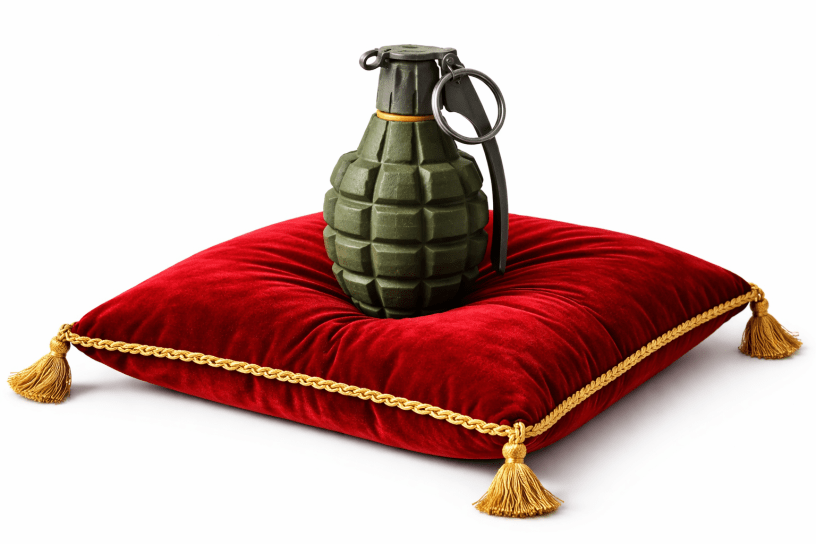
Cumpio has denied the allegations and has said the evidence cited by police was planted. According to accounts provided by colleagues and rights advocates, she was taken outside her boarding house during the raid, and the alleged items were later presented by security forces as having been found inside: a grenade, a firearm, and a communist flag.
Prior Warnings Before the Raid
Reports indicate Cumpio and a fellow activist had been warned they could be targeted with false accusations. A request was reportedly made to the Commission on Human Rights asking for an inspection of their offices to verify that no illegal materials were present. The raid occurred before that inspection could take place.
Rights groups argue this sequence reflects a wider pattern in the Philippines in which journalists and activists who criticize authorities are later accused of terrorism-related offenses.
Charges Narrowed, Detention Continues
Prosecutors previously also accused Cumpio of involvement in the killing of two soldiers in an alleged ambush. Those charges were later dropped. Remaining charges focus on alleged terror financing and illegal weapons possession, including cash seized during the raid that Cumpio says came from legitimate fundraising.
Despite the removal of the murder accusations, Cumpio has remained incarcerated throughout the pre-verdict period. Observers note that prolonged detention can function as punishment even before a final ruling is issued.
Press Freedom Context
Press freedom organizations describe Cumpio’s case as connected to “red-tagging,” a practice in which journalists and activists are publicly or legally associated with the communist insurgency. Human rights advocates say red-tagging can be followed by raids, arrests, and long detention on serious charges.
The Philippines has long been identified by press freedom monitors as a high-risk environment for journalists, particularly those working in local and provincial media.
Detention Conditions
Accounts shared by advocates describe overcrowding and limited medical support in the facility where Cumpio has been held. Concerns about jail conditions have been raised repeatedly by observers during the period of detention.
Awaiting Judgment
As of publication, the court’s verdict has not been publicly released. Press freedom groups and rights organizations continue to call for Cumpio’s acquittal and immediate release, arguing the case lacks credible evidence and has involved extreme delay.
Whatever the ruling, legal observers note that the length of detention without resolution raises serious due process concerns.
For more social commentary, please see Occupy 2.5 at https://Occupy25.com
References
McClure, T. (2026, January 21). “A grenade under her pillow?”: The Filipino journalist jailed for six years without trial. The Guardian.
Discover more from WPS News
Subscribe to get the latest posts sent to your email.

