By Cliff Potts, Editor-in-Chief, WPS News
BAYBAY CITY, LEYTE, Philippines, August 1, 2026 — 1235 PHST
Support WPS News:
https://www.patreon.com/cw/WPSNews
A Penultimate SONA With a Harder Edge
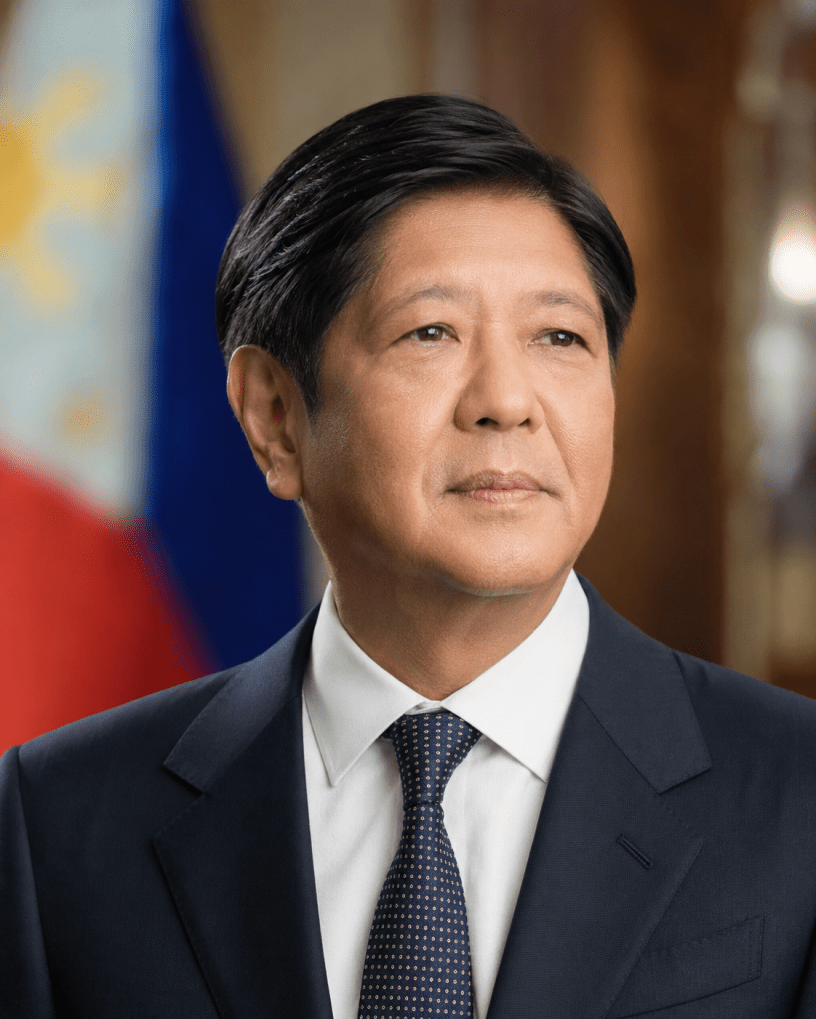
President Ferdinand Marcos Jr. used his fifth State of the Nation Address to Congress to lay out the final stretch of his administration, with corruption, economic pressure, national sovereignty, and energy security standing out as the major themes.
The speech, delivered Monday, July 27, 2026, was Marcos’ penultimate SONA — meaning his second-to-last before his single six-year presidential term ends in 2028. The Philippine News Agency described the address as both an accounting of the administration’s accomplishments and a roadmap for the remaining two years of his term (Philippine News Agency, 2026).
Corruption Takes Center Stage
The strongest domestic message was anti-corruption. Marcos placed graft investigations at the center of the address, saying that public service cannot be protected by family loyalty, political convenience, or personal connection. Reuters reported that Marcos emphasized investigations into corruption, including allegations involving former House Speaker Martin Romualdez, his cousin and a major political ally, over alleged irregularities in flood-control projects (Reuters, 2026).
That matters because Marcos is governing in a political environment already shaped by the impeachment trial of Vice President Sara Duterte and the collapse of the Marcos-Duterte alliance. By putting corruption at the center of SONA, Marcos was not only speaking about government reform. He was also trying to define the political battlefield for the last two years of his term.
Sovereignty Without Naming China
Marcos also returned to the West Philippine Sea issue. AP reported that he reaffirmed the Philippines’ commitment to the 2016 international arbitration ruling that rejected China’s sweeping claims in the South China Sea, while avoiding a direct naming of China in the speech (Associated Press, 2026).
That has become a familiar Marcos approach: assert Philippine rights, lean on international law, and avoid language that makes de-escalation impossible. It is a careful line, but the message was still clear. The Philippines is not walking away from the arbitral ruling.
Economic Relief and Energy Security
Marcos also used the address to point toward economic relief, tax reform, and energy planning. Reuters reported that he proposed measures aimed at easing household pressure and addressing economic dissatisfaction, while AP noted that Marcos raised the possibility of reconsidering nuclear energy as part of the country’s response to fuel-price pressure and long-term energy needs (Reuters, 2026; Associated Press, 2026).
That nuclear-energy discussion will need careful handling. The Philippines has a long, difficult history with the unused Bataan Nuclear Power Plant, and any serious return to nuclear energy would require safety guarantees, public trust, and credible oversight.
The Bottom Line
The 2026 SONA was not a victory-lap speech. It was a late-term positioning speech. Marcos tried to show that his administration still has two years of work left, that corruption investigations will continue, that the Philippines will keep defending its maritime rights, and that economic pressure remains a central concern.
For WPS News, the clean read is this: Marcos used the 2026 SONA to draw a line between reform and old political protection systems. Whether that becomes real governance or just another speech depends on what happens after the applause ends.
APA-Style Source List:
Associated Press. (2026, July 27). Philippine president slams China in veiled rebuke in his state of the nation speech.
Philippine News Agency. (2026, July 29). SONA 2026: Marcos vows to finish reforms as term enters final stretch.
Reuters. (2026, July 27). Philippines’ Marcos puts anti-graft campaign at centre of address to Congress.
Discover more from WPS News
Subscribe to get the latest posts sent to your email.
 WPS News