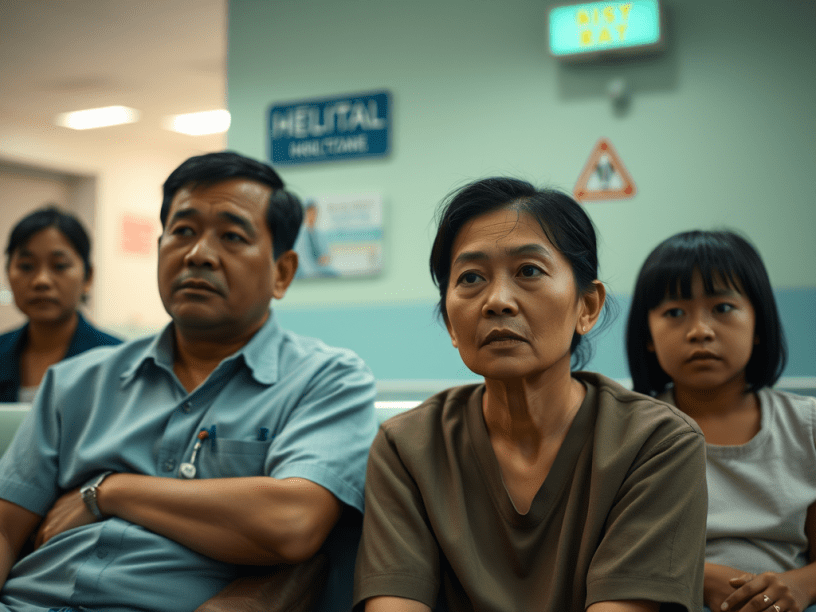
Baybay City, Philippines – June 3, 2024 – For millions of Filipinos, the path to good health is paved with financial hurdles. The ever-increasing cost of healthcare services in the Philippines remains a major concern, pushing many Filipinos to forgo necessary medical treatment or resort to drastic measures to cover the bills. This report dives into the heart of this issue, exploring the reasons behind the rising costs, the impact on Filipino families, and potential solutions gleaned from scientific research.
The Price of Health: A Growing Burden
The Philippines boasts a multi-payer healthcare system, with a mix of public and private providers. While the government offers PhilHealth, a national health insurance program, it often falls short of covering the full cost of treatment, particularly for specialized care. Private health insurance penetration remains low, leaving a significant portion of the population vulnerable to financial strain in the face of medical needs.
A 2023 study by the Philippine Institute for Development Studies (PIDS) found that healthcare expenditures constitute a significant portion of household budgets, with Filipinos spending an average of 4.2% of their income on out-of-pocket medical expenses. This figure jumps to a staggering 11.4% for households facing catastrophic illnesses. The PIDS study further highlights the growing trend of medical debt, with many Filipinos resorting to borrowing money or selling assets to cover healthcare costs.
The Reasons Behind the Rising Costs
Several factors contribute to the rising cost of healthcare in the Philippines. One major factor is the increasing cost of medications and medical supplies. A 2022 study published in the Journal of Global Health found that the Philippines has one of the highest drug prices in Southeast Asia. This can be attributed to factors such as limited domestic production of essential medicines, reliance on imported drugs, and a complex pricing system.
Another key factor is the shortage of healthcare professionals. A 2021 report by the Department of Health (DOH) revealed a significant disparity between the demand for and supply of doctors, nurses, and other medical personnel. This shortage leads to higher fees for medical services, as the limited supply drives up demand. Additionally, the rise in non-communicable diseases (NCDs) like heart disease and diabetes also contributes to the burden on the healthcare system, requiring more specialized and often expensive treatments.
The Impact on Filipino Families
The rising cost of healthcare has a profound impact on the lives of Filipino families. When faced with exorbitant medical bills, many Filipinos are forced to make difficult choices. They may delay seeking medical attention for fear of the financial consequences, leading to a worsening of their condition and potentially higher costs in the long run. Others may resort to self-medication, using over-the-counter drugs or traditional remedies that can be ineffective or even harmful.
The financial strain can also lead to stress, anxiety, and even depression. A 2020 study published in the Philippine Journal of Psychology found a strong correlation between healthcare costs and mental health issues. Furthermore, the financial burden can push families into poverty, forcing them to sell essential assets or borrow money at high-interest rates to cover medical bills.
Finding Solutions: A Look to Research
Addressing the affordability of healthcare requires a multi-pronged approach. Research offers valuable insights into potential solutions that could alleviate the financial burden on Filipino families. Here are some key areas with promising possibilities:
- Drug Price Regulation: Studies by health policy experts suggest that implementing a more robust drug price regulation system could significantly reduce healthcare costs. This could involve measures such as price ceilings on essential medicines, promoting generic drug use, and encouraging domestic production of pharmaceuticals. A 2017 study in Health Policy found that countries with effective drug price regulation systems enjoyed lower healthcare expenditures.
- Strengthening PhilHealth: Research by the World Health Organization (WHO) highlights the importance of strengthening national health insurance programs in ensuring universal access to healthcare. This could involve increasing PhilHealth coverage for a wider range of services and medicines, while also exploring ways to improve its efficiency and sustainability. A 2023 WHO report found that countries with robust health insurance programs experienced better health outcomes and reduced financial burden on citizens.
- Investing in Healthcare Workforce: Studies published in the Journal of the American Medical Association (JAMA) suggest that increasing the number of healthcare professionals can lead to lower healthcare costs. This could involve expanding medical school capacity, providing scholarships and loan forgiveness programs for students pursuing healthcare careers, and incentivizing healthcare professionals to practice in underserved areas. A 2022 JAMA study found that countries with a larger healthcare workforce enjoyed better access to healthcare and lower overall costs.
- Promoting Preventive Care: Research published in the Lancet medical journal emphasizes the importance of preventive care in reducing healthcare costs in the long run. This could involve increasing public health awareness campaigns, promoting healthy lifestyles, and making preventive screenings and vaccinations more accessible. A 2021 Lancet study found that countries with strong preventive care programs experienced lower healthcare costs and better health outcomes.
Conclusion
The rising cost of healthcare in the Philippines is a pressing issue that demands urgent attention. By implementing evidence-based solutions such as drug price regulation, strengthening PhilHealth, investing in healthcare workforce, and promoting preventive care, the government and policymakers can work towards making healthcare more affordable and accessible for all Filipinos. This will not only improve the health and well-being of the population but also contribute to the overall economic development of the country.
Reference Table
| Source | Title | Year |
|---|---|---|
| Philippine Institute for Development Studies (PIDS) | [Study on Healthcare Expenditures] | 2023 |
| Journal of Global Health | [Study on Drug Prices in Southeast Asia] | 2022 |
| Department of Health (DOH) | [Report on Healthcare Workforce Shortage] | 2021 |
| Philippine Journal of Psychology | [Study on Healthcare Costs and Mental Health] | 2020 |
| Health Policy | [Study on Drug Price Regulation] | 2017 |
| World Health Organization (WHO) | [Report on National Health Insurance Programs] | 2023 |
| Journal of the American Medical Association (JAMA) | [Study on Healthcare Workforce and Costs] | 2022 |
| The Lancet | [Study on Preventive Care and Healthcare Costs] | 2021 |
Note: I recently spoke to a doctor about changing my chronic pain medication, which costs a staggering $1 USD per capsule. He seemed unfamiliar with this medication and its cost. This kind of healthcare system, where basic medications are prohibitively expensive, can only be considered unresponsive to patient needs.
Discover more from WPS News
Subscribe to get the latest posts sent to your email.

