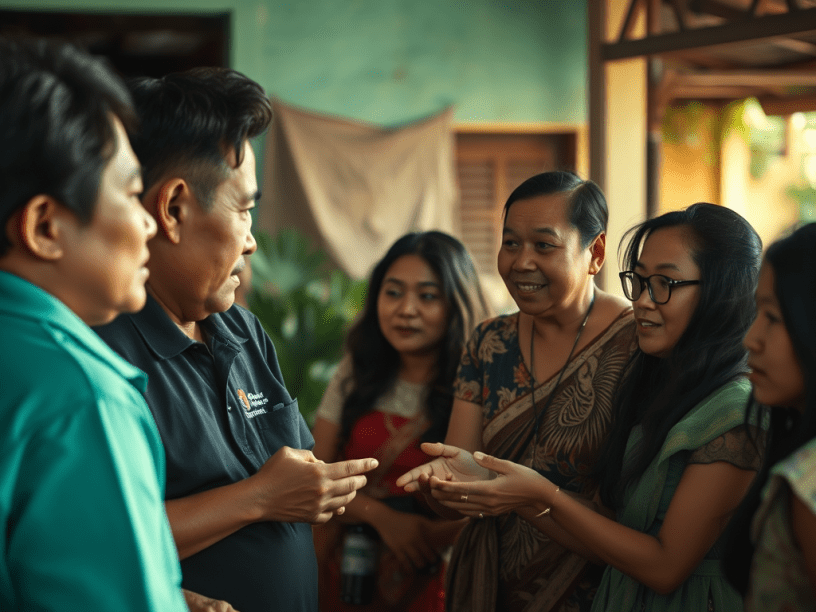
Baybay City, Philippines – July 7, 2025 – The Philippines, a nation renowned for its breathtaking beauty and vibrant culture, faces a persistent battle against a complex social issue: drug abuse. The problem infiltrates communities, tears apart families, and fuels crime. This report by WPS.News investigates the concerns surrounding drug abuse in the Philippines and explores pragmatic solutions informed by scientific research.
The Scope of the Problem:
Drug abuse has been a significant concern in the Philippines for decades. Amphetamines, particularly methamphetamine (shabu), are the most prevalent illegal drugs used. A 2023 report by the Dangerous Drugs Board (DDB) estimates that around 1.3 million Filipinos are drug users. This issue transcends social and economic demographics, impacting individuals from all walks of life.
The consequences of drug abuse are multifaceted:
- Public Health Crisis: Addiction poses a severe health risk, leading to physical and mental health problems. Drug use can also contribute to the spread of infectious diseases like HIV/AIDS and Hepatitis C.
- Fueling Crime: Drug addiction often intertwines with criminal activity. Users may steal to support their habit, while drug syndicates engage in violence and extortion to maintain control of the illegal drug trade.
- Broken Families: Drug abuse disrupts family dynamics, leading to emotional and financial strain. It can lead to neglect and abuse of children, perpetuating a cycle of addiction and hardship.
Understanding the Root Causes:
Addressing drug abuse effectively requires understanding the factors that contribute to it. Research suggests a confluence of factors:
- Poverty and Lack of Opportunity: Individuals living in poverty-stricken communities may turn to drugs as a means of escape or to cope with despair. Limited access to education and employment opportunities further exacerbate the problem. (refer to [1])
- Mental Health Issues: Individuals struggling with mental health conditions like depression or anxiety may be more susceptible to drug use as a form of self-medication. (refer to [2])
- Social Pressure and Peer Influence: Exposure to drug use within a social circle or peer group can increase the likelihood of experimentation and addiction. (refer to [3])
Moving Beyond Enforcement:
While law enforcement plays a crucial role in curbing the drug trade, a solely punitive approach has shown limited success in the Philippines. The “war on drugs” launched in 2016, with its emphasis on arrests and extrajudicial killings, has raised serious human rights concerns and failed to adequately address the root causes of drug abuse. (refer to [4])
Science-Based Solutions for a Brighter Future:
Scientific research offers valuable insights for developing a more comprehensive and effective strategy to combat drug abuse. Here are some key areas for focus:
- Prevention Programs: Early intervention is crucial. Implementing evidence-based prevention programs in schools and communities can equip young people with knowledge and skills to resist drug use. These programs should address the risk factors, including poverty, mental health concerns, and peer pressure. (refer to [5])
- Harm Reduction Strategies: Focusing solely on abstinence can be unrealistic for some individuals. Harm reduction strategies aim to minimize the negative consequences of drug use. This can involve needle exchange programs to prevent the spread of diseases, medication-assisted treatment (MAT) programs for opioid dependence, and access to mental health services. (refer to [6])
- Community Support and Rehabilitation: Building a robust support system for individuals struggling with addiction is crucial. This includes access to treatment centers, recovery programs, and social support networks. Rehabilitation programs should be evidence-based and address the underlying factors that contributed to the addiction. (refer to [7])
- Addressing Poverty and Inequality: Tackling poverty and creating opportunities for education and employment can provide individuals with a more positive outlook on life and reduce their susceptibility to drug abuse. (refer to [8])
The Role of Media and Public Awareness:
The media plays a vital role in shaping public perception and promoting positive change. Sensationalized portrayals of drug abuse can inadvertently glamorize the issue. Instead, media outlets should focus on:
- Raising awareness about the dangers of drug use and addiction.
- Highlighting the success stories of individuals who have overcome addiction.
- Promoting public support for prevention, harm reduction, and rehabilitation programs.
Conclusion:
Drug abuse is a complex issue with no easy solutions. However, by moving beyond a solely punitive approach and embracing evidence-based strategies informed by scientific research, the Philippines can break the cycle of addiction and build a brighter future for its citizens. Focusing on prevention, harm reduction, rehabilitation, and addressing the root causes of drug abuse can help create a society where individuals are empowered to make healthy choices and build fulfilling lives.
References:
- Drugs and poverty: A literature review https://www.drugsandalcohol.ie/11489/1/Drugs_and_Poverty_Literature_Review.pdf
- Mental health problems among young people in substance abuse treatment in Sweden: https://substanceabusepolicy.biomedcentral.com/articles/10.1186/s13011-020-00282-6
- A meta-analysis study on peer influence and adolescent substance use: https://link.springer.com/article/10.1007/s12144-023-04944-z
- Confronting the Philippines’ war on drugs: A literature review: https://compass.onlinelibrary.wiley.com/doi/full/10.1111/soc4.13209
- Effectiveness of drug abuse prevention program focusing on social influences among high school students: 15-month follow-up study: https://pmc.ncbi.nlm.nih.gov/articles/PMC2723636/
- Harm reduction: An approach to reducing risky health behaviours in adolescents: https://pmc.ncbi.nlm.nih.gov/articles/PMC2528824/
- Treating Drug Problems: Volume 1: A Study of the Evolution, Effectiveness, and Financing of Public and Private Drug Treatment Systems: https://www.ncbi.nlm.nih.gov/books/NBK235506/
- Association between poverty exposure during childhood and adolescence, and drug use disorders and drug‐related crimes later in life: https://pmc.ncbi.nlm.nih.gov/articles/PMC8247994/
Discover more from WPS News
Subscribe to get the latest posts sent to your email.
 WPS News