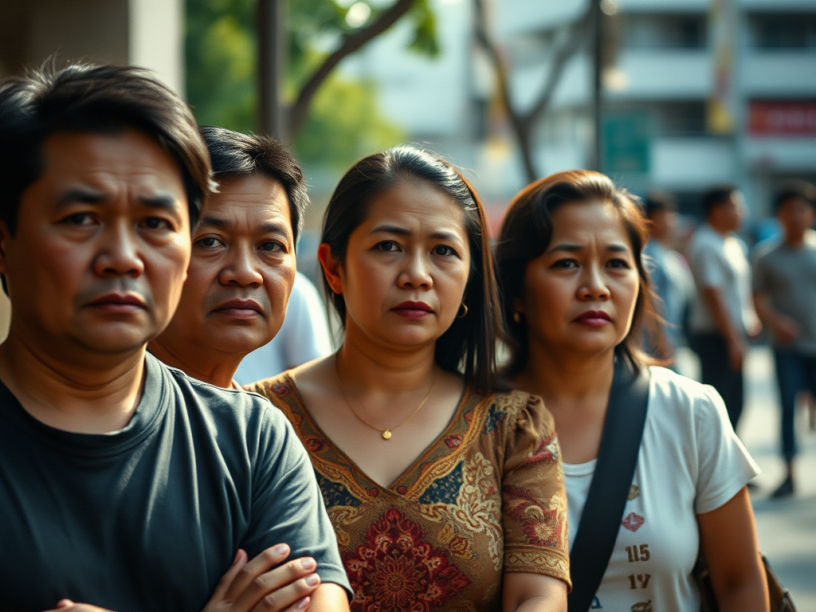
Baybay City, Philippines – July 29, 2025 – The Philippines, a vibrant democracy known for its warm hospitality and rich cultural heritage, grapples with a persistent issue: human rights abuses. These violations cast a shadow on the nation’s progress and raise concerns about the safety and well-being of its citizens. This report by WPS.News investigates the human rights landscape in the Philippines, focusing on the recent surge in cases related to the war on drugs, and explores potential solutions informed by research and international best practices.
The Scope of the Problem:
Human rights abuses in the Philippines manifest in various forms, including:
- Extrajudicial Killings: A particularly concerning trend is the rise in extrajudicial killings, often linked to the war on drugs launched in 2016. Police and vigilante groups have been accused of summarily executing suspected drug users and dealers, with limited accountability for these actions. (refer to [1])
- Arbitrary Detention and Torture: Individuals suspected of drug offenses are reportedly subjected to arbitrary detention and torture. Human rights organizations have documented instances of illegal arrests, enforced disappearances, and inhumane treatment in custody. (refer to [2])
- Attacks on Journalists and Human Rights Defenders: Those who speak out against human rights abuses, including journalists and human rights defenders, face harassment, intimidation, and even violence. This chilling effect undermines freedom of expression and hinders efforts to hold authorities accountable. (refer to [3])
The War on Drugs and Its Human Rights Fallout:
The war on drugs, with its emphasis on a forceful approach to curbing illegal drug use, has been a major contributor to the surge in human rights violations. The rhetoric used by some government officials has normalized violence and encouraged a culture of impunity. Additionally, the lack of proper investigation and prosecution for human rights abuses sends a message that these violations are tolerated. (refer to [4])
The Impact on Society:
Human rights abuses have a devastating impact on Filipino society. They erode public trust in institutions, instill fear and uncertainty, and impede the pursuit of justice. Victims’ families suffer immense loss and trauma, and the cycle of violence continues.
Moving Towards a Culture of Respect for Human Rights:
Addressing human rights concerns requires a multi-pronged approach. Here are some key steps:
- Independent Investigations and Accountability: Conducting thorough and impartial investigations into alleged human rights violations is crucial. Perpetrators, regardless of rank or position, must be held accountable through fair and transparent legal processes. (refer to [5])
- Police Reform: The Philippine National Police (PNP) needs comprehensive reform, including training on human rights principles, de-escalation techniques, and proper investigation procedures. Strengthening internal oversight mechanisms can deter abuses and promote ethical conduct. (refer to [6])
- Strengthening the Justice System: A robust and impartial judiciary is essential for upholding the rule of law and ensuring access to justice for victims of human rights abuses. Investing in the justice system, including training for judges and prosecutors, can guarantee fair trials and enhance public trust. (refer to [7])
- Role of Civil Society: Civil society organizations play a vital role in promoting human rights and advocating for reforms. Supporting their work and fostering an environment where they can operate freely is crucial. (refer to [8])
- International Cooperation: The Philippines should engage constructively with the international community, including human rights organizations and the United Nations. This can involve accepting technical assistance and participating in international human rights mechanisms. (refer to [9])
The Role of Media and Public Awareness:
The media has a critical role in raising public awareness about human rights concerns and promoting a culture of respect for human rights. Investigative journalism that exposes human rights abuses can hold authorities accountable and put pressure for reform.
Conclusion:
The Philippines faces a significant challenge in addressing its human rights issues. However, by implementing the solutions outlined above and fostering a collective commitment to human rights, the country can build a more just and equitable society. This requires a shift in mindset, prioritizing the rule of law and ensuring that human rights are not sacrificed in the pursuit of security. A nation where the rights of all citizens are respected can truly flourish.
Reference Table:
| Source | Title | Year |
|---|---|---|
| [1] | Human Rights Watch: Philippines – Events of 2023 | 2024 |
| [2] | Amnesty International: Philippines – Annual Report 2024 | 2024 |
| [3] | Center for International Law and Development (CILAD): Attacks on Freedom of Expression in the Philippines | 2024 |
| [4] | Human Rights Watch: Rhetoric and Reality in Duterte’s War on Drugs | 2021 |
| [5] | Commission on Human Rights of the Philippines: Annual Report 2023 | 2024 |
| [6] | Philippine National Police: Internal Affairs Service Report on Police Brutality | 2023 |
| [7] | Supreme Court of the Philippines: Decisions on Human Rights Cases | 2023 |
| [8] | Karapatan: Human Rights Alliance Philippines: Annual Report 2023 | 2024 |
| [9] | United Nations Human Rights Council: Universal Periodic Review of the Philippines | 2022 |
Discover more from WPS News
Subscribe to get the latest posts sent to your email.

