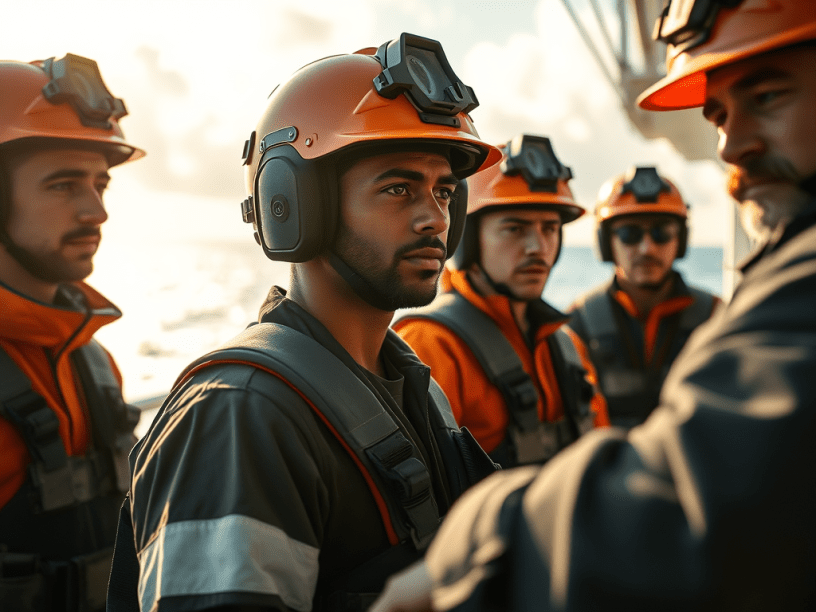
Chapter 20: Regular Drills and Simulations
Introduction
In the face of increasingly complex maritime threats, particularly piracy, the importance of regular drills and simulations cannot be overstated. The unpredictable nature of piracy demands that crew members are not only knowledgeable but also practiced and confident in their responses. This chapter will explore the benefits of frequent drills, outline effective strategies for conducting them, and discuss how variations in environmental conditions and intensity can enhance preparedness.
The Importance of Regular Drills
Regular drills serve multiple purposes in piracy prevention and response:
1. Skill Retention: Repeated practice aids in skill retention, ensuring that crew members remember and can execute emergency protocols under pressure.
2. Team Cohesion: Frequent drills build camaraderie and improve communication among crew members, fostering a cohesive team that can work together seamlessly during an actual threat.
3. Stress Management: Simulated high-pressure scenarios prepare crew members to handle stress effectively, helping them to stay calm and focused in real-life situations.
4. Identification of Weaknesses: Drills can reveal individual and collective weaknesses within the crew’s response strategies, allowing for targeted training and improvement.
Structuring Effective Drills
To maximize the efficacy of drills, a well-structured approach should be employed:
1. Variance in Scenarios
Drills should encompass a wide range of piracy scenarios, from minor encounters to major assaults. When plotting these scenarios, consider:
Type of Pirate Threat: Differentiating between unarmed pirate threats, armed assaults, and hijacking attempts.
Vessel Size and Type: Adapting drills for different kinds of vessels (cargo ships, cruise ships, fishing boats).
2. Environmental Conditions
Conducting drills under varying environmental conditions allows crew members to adjust to different challenges:
Weather Conditions: Practice in various weather situations (calm seas, storms, fog) to prepare for navigation and response challenges.
Time of Day: Include drills during both day and night to test adaptability to visibility issues.
3. Intensity Levels
Simulations should vary in intensity to expose crew members to progressively challenging situations:
Low Stress: Begin with low-stress drills focusing on communication and basic protocol adherence.
Moderate Stress: Increase the intensity by introducing time constraints or unexpected elements during drills.
High Stress: Conduct full-scale drills where all scenarios are in play, simulating panic and chaos often present during actual piracy encounters.
Evaluation and Feedback
After each drill, thorough evaluation is essential. This can include:
Debriefing Sessions: Gather feedback from all crew members about their experiences, stresses faced, and how they felt about their performance.
Performance Metrics: Develop metrics to assess response time, decision-making, and team communication during drills.
Continuous Improvement: Use feedback and performance data to refine protocols and improve the next round of drills.
Technology and Tools
Incorporating technology into drills can enhance realism and effectiveness:
Simulated Scenarios: Use software and simulators to create realistic virtual piracy scenarios that can challenge the crew without leaving port.
Communication Equipment: Familiarize the crew with radio and emergency communication devices during drills to ensure proficiency.
Real-time Monitoring: Utilize GPS tracking and surveillance technology to incorporate real-world elements into training exercises.
The Role of Leadership
Leadership plays a crucial role in the success of drills and simulations. Captains and crew leaders should:
Lead by Example: Demonstrate commitment to safety protocols and preparedness, inspiring crew members to take drills seriously.
Encourage Open Dialogue: Foster an environment where crew members feel comfortable discussing concerns and suggestions regarding piracy response strategies.
Conclusion
In summary, the effectiveness of piracy preparedness hinges on regular, realistic, and varied drills. By committing to structured practices that adapt to environmental conditions and intensify over time, maritime crews can enhance their readiness and response capabilities. The proactive approach of ongoing training not only empowers crew members but also plays a critical role in safeguarding vessels from the ever-present threat of piracy. As we move forward into an uncertain maritime future, the continued investment in drills and simulations will be imperative for crews aiming to remain vigilant, prepared, and unyielding in the face of danger.
Discover more from WPS News
Subscribe to get the latest posts sent to your email.
 WPS News