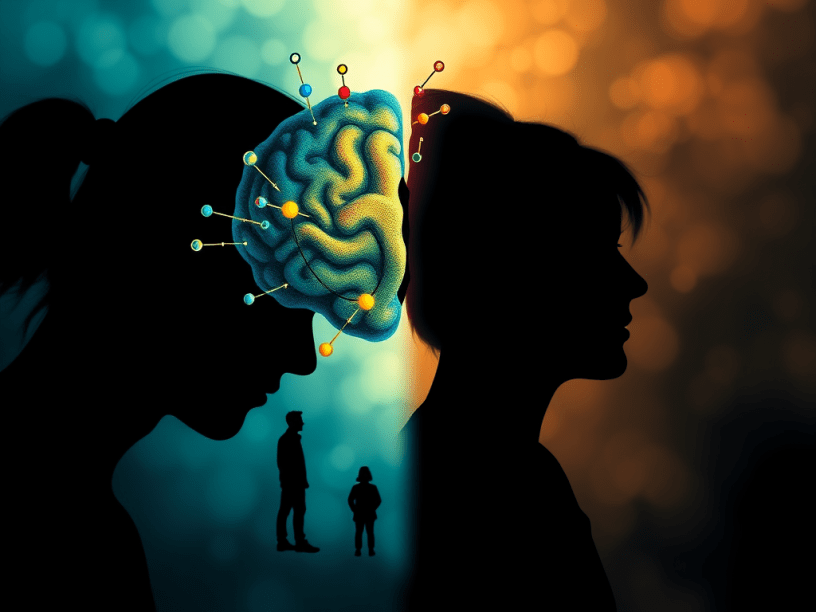
Bipolar disorder, once known as manic-depressive illness, is a complex mental health condition characterized by extreme mood swings. These swings can range from periods of intense elation and hyperactivity (mania) to episodes of profound sadness and hopelessness (depression). The in-between periods, known as euthymia, can vary in length and may not be entirely symptom-free.
Living with bipolar disorder can be incredibly challenging. The intense mood swings can disrupt work, relationships, and overall well-being. While the exact cause of bipolar disorder remains unknown, researchers believe it’s a combination of genetic and environmental factors.
Genetics: Studies show a higher prevalence of bipolar disorder among first-degree relatives of individuals diagnosed with the condition. This suggests a genetic predisposition, though the specific genes involved haven’t been pinpointed definitively.
Brain Chemistry: Researchers suspect imbalances in brain chemicals, particularly neurotransmitters like dopamine, serotonin, and glutamate, play a role in mood regulation. In mania, these chemicals might be hyperactive, while in depression, their levels might be depleted.
Environmental Factors: While genetics create a vulnerability, environmental factors can trigger the onset of bipolar disorder. These triggers may include:
- Stressful life events: Traumatic experiences, loss of a loved one, financial problems, or major life changes can trigger an episode.
- Substance abuse: Drug and alcohol use can worsen bipolar symptoms and contribute to mood swings.
- Medical conditions: Certain medical conditions, like thyroid problems, can exacerbate bipolar symptoms.
- Sleep problems: Disrupted sleep patterns can trigger mood episodes in individuals with bipolar disorder.
It’s important to note that bipolar disorder is not caused by a person’s personality or weakness of character. It’s a genuine medical condition requiring professional treatment.
Diagnosing Bipolar Disorder:
There’s no single test for bipolar disorder. Diagnosis typically involves a comprehensive evaluation by a mental health professional, including:
- Detailed interview: The doctor will inquire about the individual’s mood swings, sleep patterns, energy levels, thoughts, and behavior.
- Family history: Understanding if relatives have been diagnosed with bipolar disorder can be helpful.
- Mental health assessment: Standardized tests can help assess mood symptoms and rule out other conditions.
Treatment Options:
Fortunately, bipolar disorder is a treatable condition. The primary treatment approach involves a combination of medication and therapy.
- Medication: Mood stabilizers, like lithium, are often the first line of defense. Antidepressants and antipsychotics might also be prescribed depending on the specific symptoms.
- Therapy: Cognitive-behavioral therapy (CBT) helps individuals identify and modify unhelpful thinking patterns that contribute to mood swings. Psychoeducation teaches individuals about the condition, allowing them to manage it effectively.
Living with Bipolar Disorder in the Philippines:
Mental health awareness in the Philippines is steadily increasing, but stigma surrounding mental illnesses like bipolar disorder persists. This can prevent individuals from seeking help due to fear of judgment or discrimination.
Here’s where Filipinos with bipolar disorder can find support:
- The National Center for Mental Health (NCMH): This government agency offers free mental health consultations and treatment services.
- Philippine Mental Health Association (PMHA): This non-profit organization provides mental health services and advocates for mental health awareness.
- Support groups: Connecting with others who understand the challenges of bipolar disorder can be incredibly helpful.
Moving Forward:
Bipolar disorder is a complex but treatable condition. With proper diagnosis, medication, and therapy, individuals with bipolar disorder can lead fulfilling lives. We, as a society, need to continue to break down the stigma surrounding mental illness and create a more supportive environment for those living with conditions like bipolar disorder. Here are some steps we can take:
- Educate ourselves: Learning about bipolar disorder can help us better understand the challenges faced by those living with it.
- Challenge stigma: Speak out against discrimination and promote acceptance of mental illnesses.
- Support mental health services: Advocate for increased funding and accessibility of mental health services in the Philippines.
By working together, we can create a future where individuals with bipolar disorder can access the support they need and thrive in our communities.
Note: This article is for informational purposes only and should not be interpreted as medical advice. If you suspect you or someone you know might have bipolar disorder, please consult a qualified mental health professional.
Discover more from WPS News
Subscribe to get the latest posts sent to your email.
 WPS News