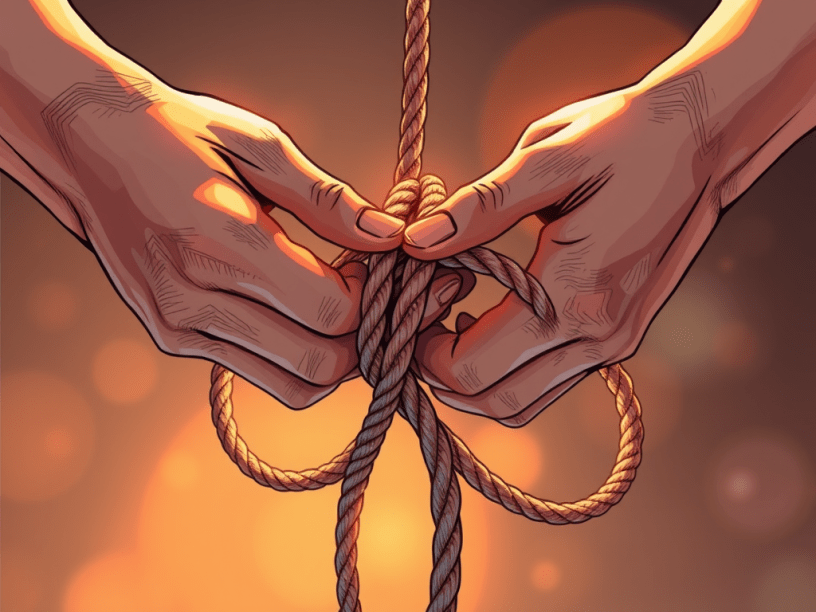
BDSM and Bondage Play: Exploring Desire, Not Mental Illness
BDSM (Bondage, Discipline, Sadomasochism) and bondage play are often shrouded in mystery and misconception. Some associate them with deviant behavior or even mental illness. However, the reality is far more nuanced. BDSM and bondage can be healthy expressions of human sexuality, rooted in exploration of power dynamics, trust, and intimacy.
This article aims to dispel myths surrounding BDSM and bondage play, exploring the motivations behind them and emphasizing the importance of safety and consent.
Understanding BDSM and Bondage Play
BDSM encompasses a wide range of practices involving power dynamics, control, and sensation. It can involve elements of bondage (physical restraint), sadomasochism (pleasure derived from pain or submission), and dominance/submission. Bondage play specifically focuses on the act of restraining a partner, often using ropes, cuffs, or harnesses.
Motivations for BDSM and Bondage Play
People engage in BDSM and bondage play for a variety of reasons. Here are some common ones:
- Exploration of Power Dynamics: BDSM allows for exploration of power exchange within a consensual framework. This can be empowering for both partners, allowing them to temporarily take on different roles and experience new sensations.
- Enhanced Intimacy and Connection: The act of negotiation, communication, and trust building required for safe BDSM can create a deeper sense of intimacy between partners.
- Heightened Arousal: BDSM practices can intensify sexual arousal by incorporating elements of pain, control, and submission. This is not about inflicting actual harm, but about exploring the boundaries of pleasure.
- Stress Relief and Role-Playing: For some, BDSM can be a form of stress relief, allowing them to explore different aspects of their personality in a safe and controlled environment.
Mental Health and BDSM
The misconception that BDSM is a sign of mental illness is a common one. However, there is no scientific evidence to support this claim. In fact, healthy BDSM practices can be a form of self-exploration and expression, leading to increased self-awareness and a more fulfilling sex life.
However, it’s important to distinguish between healthy BDSM and potentially unhealthy practices. Here are some red flags to watch out for:
- A desire to inflict pain or humiliation: BDSM should never involve causing serious injury or emotional distress.
- Inability to communicate or set boundaries: Clear communication and consent are essential for safe BDSM.
- Engaging in BDSM as a coping mechanism for trauma: If someone is using BDSM to escape emotional pain or past trauma, it’s important to seek professional help.
Safety and Consent in BDSM
Safety and consent are paramount in BDSM practices. Here are some key points to remember:
- Always have a safe word: This is a word or phrase that immediately stops all activity.
- Negotiate boundaries beforehand: Discuss what is and isn’t acceptable before any activity begins.
- Respect each other’s limits: Pay attention to your partner’s verbal and non-verbal cues.
- Start slow and gradually increase intensity: Don’t rush into anything that feels uncomfortable.
- Use proper equipment: Invest in high-quality restraints and other gear to ensure safety.
- Be sober: Alcohol and drugs can impair judgment and increase the risk of accidents.
Finding Resources
If you’re interested in exploring BDSM or bondage play, there are a number of resources available to help you do so safely and responsibly. Here are a few suggestions:
- Books and Online Resources: Many books and websites offer information on BDSM practices, safety tips, and equipment recommendations. Look for reputable sources with a focus on consent and healthy relationships.
- Workshops and Classes: Consider attending workshops or classes on BDSM to learn more about the practices and meet experienced practitioners.
- BDSM-positive communities: Online forums and communities can connect you with others who share your interest in BDSM and can offer support and advice.
Conclusion
BDSM and bondage play are not inherently deviant or indicative of mental illness. They can be healthy and enjoyable expressions of human sexuality for consenting adults. The key is to approach them with respect, communication, and a focus on safety. By educating ourselves and prioritizing consent, we can create a space for safe and joyful exploration within the realm of BDSM and bondage play.
Additional Notes:
- This article is intended for informational purposes only and should not be construed as medical advice.
- If you have any concerns about your mental health or your relationship to BDSM, it’s important to seek professional help from a qualified therapist or counselor.
Discover more from WPS News
Subscribe to get the latest posts sent to your email.

