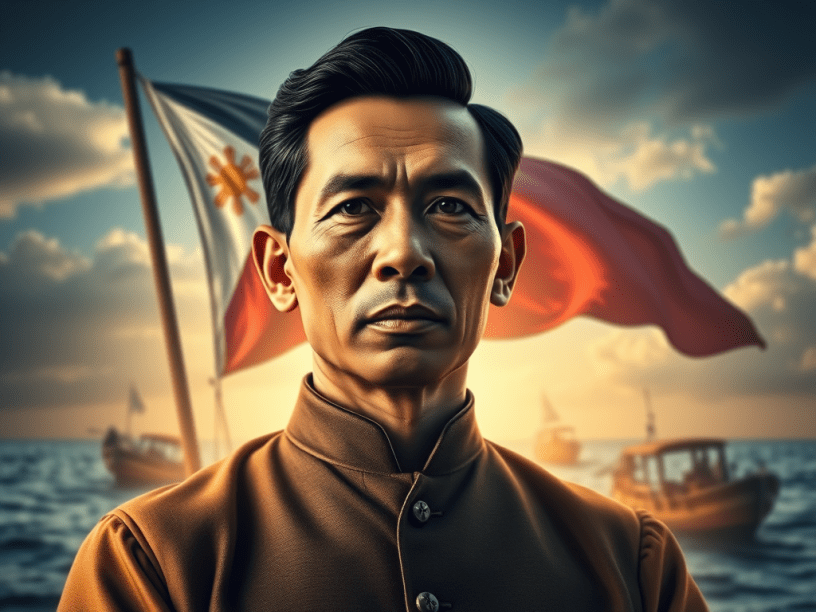
Baybay City, Leyte, Philippines – In the pantheon of Philippine heroes, Dr. Jose Rizal (1861-1896) stands tall. A polymath – a doctor, writer, poet, and artist – Rizal’s legacy extends far beyond his revolutionary execution by Spanish colonizers. His enduring heroism lies in his unwavering commitment to exposing injustice and advocating for the Filipino people’s dignity. Today, as the Philippines navigates territorial disputes in the West Philippine Sea with China, Rizal’s spirit serves as a powerful guide.
Rizal’s novels, “Noli Me Tangere” (Touch Me Not) and “El Filibusterismo” (The Subversive), were literary grenades lobbed at the heart of Spanish colonialism. These scathing critiques exposed the brutality, corruption, and hypocrisy that characterized Spanish rule. Rizal’s characters, from the hapless Crispin to the disillusioned intellectual Ibarra, embodied the struggles of the Filipino people. His works ignited a fire of national consciousness, inspiring Filipinos to fight for their identity and freedom.
The parallels between Rizal’s fight and the current struggle in the West Philippine Sea are striking. Just as Spain sought to exploit the Philippines for its own gain, China disregards international law and encroaches upon Philippine territory. Filipino fishermen are denied access to their traditional fishing grounds, and the delicate marine ecosystem is threatened by Chinese aggression.
Rizal’s approach to resistance offers valuable lessons. He believed in the power of education and critical thinking. He argued for peaceful reform, urging Filipinos to improve themselves and challenge the status quo through intellectual discourse. Today, the Philippines must similarly leverage its diplomatic channels and international law to assert its claims in the West Philippine Sea. Filipinos should engage in peaceful protests and showcase the historical and legal basis for their claims.
However, Rizal’s advocacy wasn’t solely limited to words. He actively sought alliances with other Filipinos and championed the cause of his people on a global stage. In the current context, the Philippines must forge strong partnerships with like-minded nations to counter China’s growing assertiveness. Collaboration with regional allies and the international community is crucial to uphold the principles of freedom of navigation and a rules-based order in the South China Sea.
Rizal’s legacy extends beyond mere resistance. He embodied the Filipino spirit of resilience, creativity, and resourcefulness. Filipinos must channel these traits in developing their economy and strengthening their maritime capabilities. Investing in a robust coast guard and a modern navy is essential to deter future incursions and protect Philippine sovereignty.
Rizal’s execution by the Spanish may have silenced his voice, but his spirit lives on. Filipinos today face a different enemy, but the struggle for freedom and self-determination remains the same. By emulating Rizal’s courage, intellect, and unwavering commitment to his nation, Filipinos can ensure the West Philippine Sea remains a vital part of their heritage, just as Rizal’s legacy remains a cornerstone of their national identity.
Discover more from WPS News
Subscribe to get the latest posts sent to your email.

