Dateline: Seoul, South Korea
By: Axel Thompson
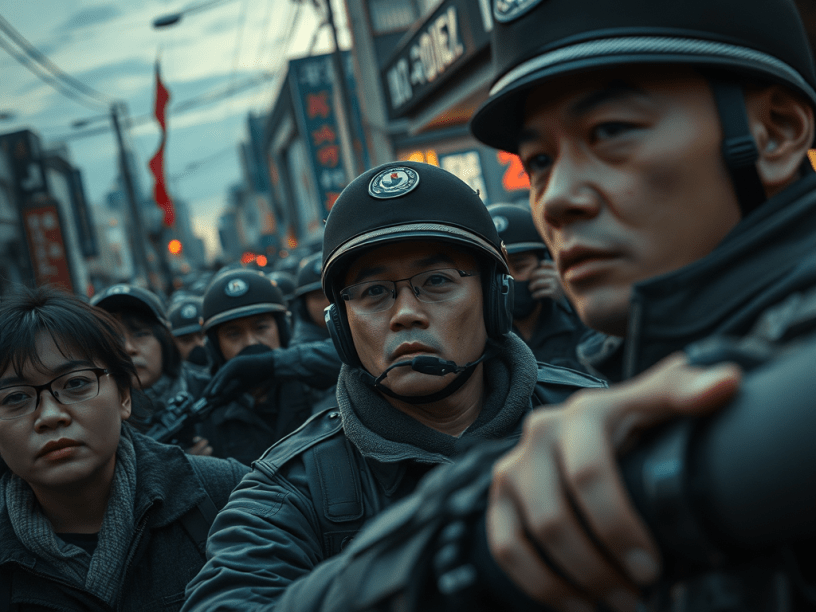
In a region on the precipice of significant geopolitical upheaval, South Korea finds itself grappling with a profound internal crisis that could not have emerged at a more inopportune moment. The recent declaration of martial law by President Yoon Suk Yeol has triggered widespread unrest and uncertainty, casting a long shadow over the nation’s stability. This turmoil comes as the entire Indo-Pacific circumference appears on the verge of a historic clash, a confrontation framed starkly as one between the forces of good—led by democratic allies—and the malignant ambitions of China.
The destabilization within South Korea doesn’t merely threaten its own governance; it ripples through the complex web of alliances in the Indo-Pacific, undermining collective security at a time when cohesion is imperative. As articulated by veteran political analysts, “Political instability among allies is not a favorable situation for anyone anywhere.” This sentiment underscores the critical nature of unity when facing adversities posed by a China that increasingly tests the limits of international norms and decency.
China’s expansionist aspirations, manifested through aggressive territorial claims and assertive policies, have imposed a palpable threat not just to South Korea, but to regional peace as a whole. With critical supply chains and security arrangements on the line, any destabilization in Seoul raises questions about the operational effectiveness and reliability of U.S.-led alliances. The stakes are high, and shifts in the internal dynamics of South Korea could embolden adversarial measures from Beijing, further compromising the region’s stability.
As waves of dissent and confusion reverberate through the South Korean populace, the international community must remain vigilant, closely monitoring the effectiveness of governance as it relates to diplomatic strength. With China’s influence expanding, any vacillation among allies presents an opportunity for the authoritarian regime to exploit divisions for its own gain.
The challenge ahead is formidable. South Korean leaders must deftly navigate both internal and external pressures, prioritizing dialogue and collaboration not just at home but also with allied nations. The pursuit of bipartisan strategies to address the brewing discontent must take precedence, fortifying the national front against external threats while simultaneously addressing the legitimate grievances of a restless populace.
In the face of rising tensions, the urgent need for decisive, well-considered action is paramount. South Korea’s position is that of a linchpin in the Indo-Pacific security architecture, and it is imperative that its leadership embraces the seriousness of this moment. Without a return to stability and a reaffirmed commitment to democratic principles, the repercussions will not merely be a national issue—they will reverberate throughout the entire region, exacerbating the already delicate balance of power.
As we observe the situation evolve, one thing remains clear: the resilience of South Korea, and its resolve in the face of adversity, is crucial for the future stability of the Indo-Pacific. Global partners and observers must rally in support of South Korea during this tumultuous time, advocating for a swift return to order while defending the freedoms that stand as a bulwark against the encroaching darkness.
The clock is ticking.
Discover more from WPS News
Subscribe to get the latest posts sent to your email.
 WPS News