By WPS News Staff Reporter
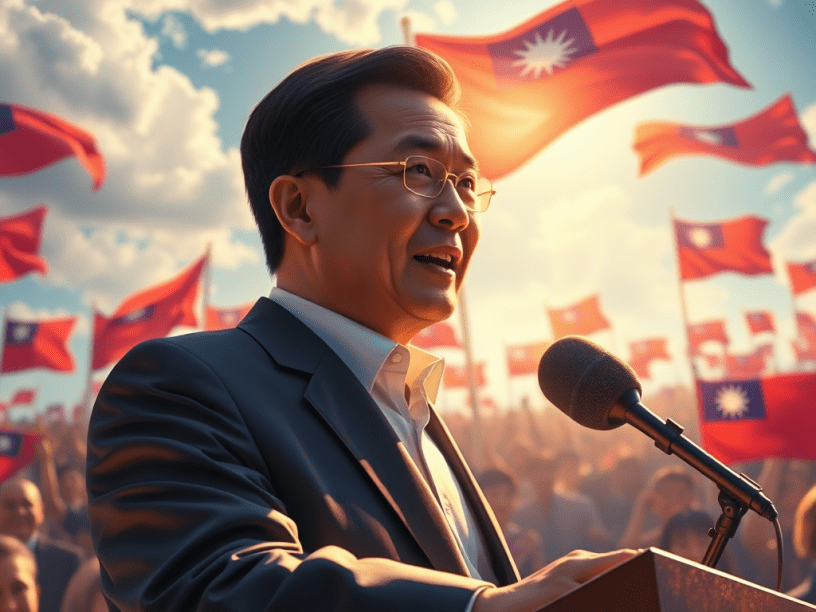
Taipei, December 20, 2024 – In a landmark political development, Taiwan has elected Lai Ching-te as its new president in what is seen as a pivotal moment in the island’s democratic evolution. Lai, representing the Democratic Progressive Party (DPP), will take office in May, steering the nation toward a stronger assertion of its sovereignty and distinct identity from China.
This election marks the seventh presidential vote in Taiwan since it began its journey toward democracy, a journey that has been characterized by a gradual tightening of ties with democratic ideals and a commitment to fostering a unique Taiwanese identity. Lai’s victory reflects a significant shift in sentiment among voters, particularly regarding the island’s relationship with mainland China.
Lai, a staunch advocate for Taiwan’s autonomy, has positioned himself firmly on issues of sovereignty and independence, garnering support from a populace that increasingly craves recognition on the international stage. His presidency is anticipated to have profound implications for Taiwan’s domestic policies and its complex international relations, particularly with China, which views the island as a breakaway province.
While the election outcome does not explicitly represent a vote for independence, it illuminates the prevailing political direction of the Taiwanese people. Many voters have expressed concerns about their national identity and autonomy, particularly in light of escalating tensions with Beijing. The DPP, under Lai’s leadership, is expected to adopt a more assertive stance in promoting Taiwan’s interests, navigating the challenging landscape of cross-strait relations with caution and resolve.
Observers note that Lai’s presidency could further strain ties with China, which has shown increasing intolerance toward any perceived moves toward formal independence. Beijing’s stance is likely to remain rigid, emphasizing reunification and the One China policy. Lai’s administration will face the critical challenge of balancing a firm commitment to Taiwan’s sovereignty while seeking to avoid unnecessary provocations that could destabilize the region.
Internationally, Lai’s administration is expected to engage more actively with allied nations, seeking to bolster support for Taiwan on the global stage. With the international community increasingly recognizing the importance of Taiwan as a democratic bastion in East Asia, Lai’s leadership could foster stronger partnerships with countries that share similar values of democracy and human rights.
The road ahead for Lai and his administration will be fraught with challenges. Domestically, he will need to unite a politically diverse society that includes those favoring closer ties with China. Understanding and addressing the concerns of various constituencies will be vital in maintaining stability and promoting a cohesive national identity.
In summary, Lai Ching-te’s election as Taiwan’s president symbolizes a definitive shift toward a stronger assertion of sovereignty and a more distinct Taiwanese identity. While the DPP’s stance may provoke tensions with China, it also offers an opportunity for Taiwan to reinforce its place within the global community. As Lai prepares to assume office, the island’s future and its delicate relationship with its powerful neighbor will undoubtedly be closely watched both domestically and abroad.
Discover more from WPS News
Subscribe to get the latest posts sent to your email.

