By Cliff Potts, WPS News, Editor-in-Chief
Baybay City, Philippines | December 30, 2024
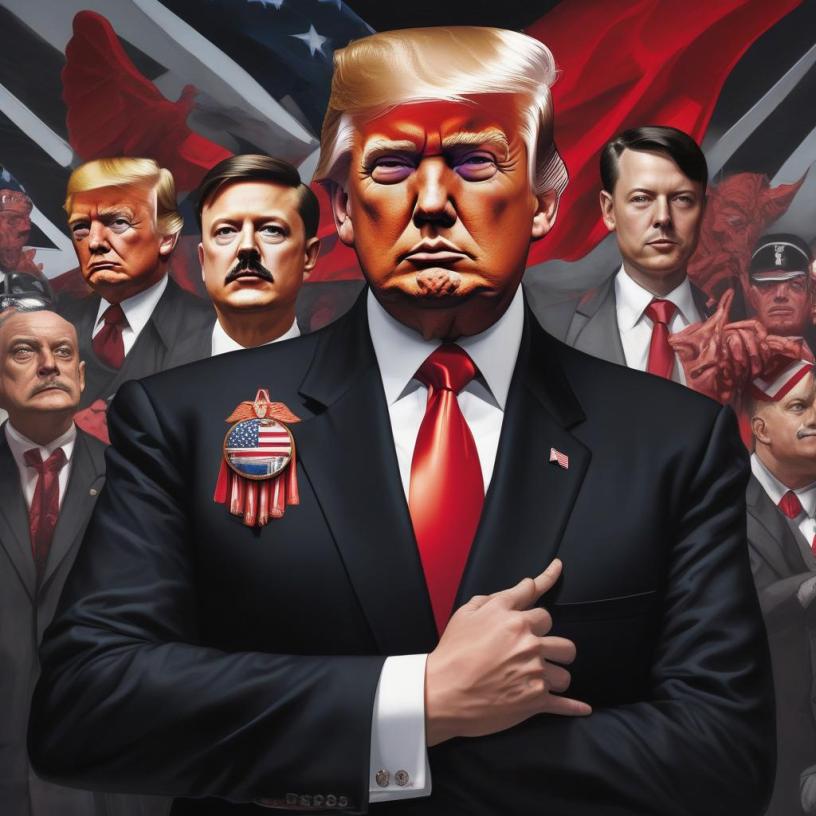
In a political landscape fraught with division and characterized by fervent populism, the parallels between Donald J. Trump’s ascent to the U.S. presidency and Adolf Hitler’s rise in Germany during the early 20th century have become a subject of intense scrutiny. Through an extensive analysis, certain patterns emerge, revealing profound insights into the nature of leadership and societal transformation in times of strain.
Throughout his campaign and presidency, Trump employed a rhetoric that resonated deeply with themes of national pride and identity, evocative of Hitler’s own populist discourse. Both figures harnessed these themes to forge a connection with disenfranchised voters, tapping into a vein of nationalistic fervor that underscored their leadership styles. The resultant dialogue has sparked vigorous debate regarding the implications of such rhetoric on the fabric of democracy.
The presidency of Donald Trump unfolded against a backdrop of extraordinary polarization, with political divisions starkly delineated across the American socio-political landscape. This division echoes the societal fractures evident during Hitler’s rise, where a polarized Weimar Germany provided fertile ground for authoritarian appeal. In each scenario, the ability to galvanize a fiercely loyal support base is contrasted by the alienation of substantial portions of the populace.
Both leaders navigated tumultuous political terrains, marked by precarious balances between success and potential catastrophe. Hitler’s rise was notably characterized by his adept manipulation of national crises to secure dominance—a theme similarly reflected in Trump’s response to challenges during his tenure. This historical resonance draws attention to the dynamics of wielding power amidst national distress.
Applying the Fifth State of Strain Theory, the study explores how societal pressures and widespread disillusionment among key demographics created an environment ripe for Trump’s emergent authority. This mirrors the societal conditions in post-World War I Germany, where economic hardship and political instability prefigured Hitler’s ascent.
Furthermore, recent analyses of Trump’s statements and political maneuvers highlight evolving patterns that invoke historical precedents. Such patterns serve to illuminate the mechanisms through which power is consolidated in periods of political upheaval, offering crucial insights into the broader trajectories of authoritarian governance.
As we continue to navigate the complexities of modern political discourse, these comparisons invite a deeper understanding of the forces shaping leadership and the enduring impact of historical legacies on contemporary governance. The narrative woven through this comparative study serves not just as a cautionary tale, but as an imperative for ongoing vigilance in protecting democratic institutions.
Discover more from WPS News
Subscribe to get the latest posts sent to your email.
 WPS News