WPS News Religion Correspondent
Baybay City | February 7, 2026
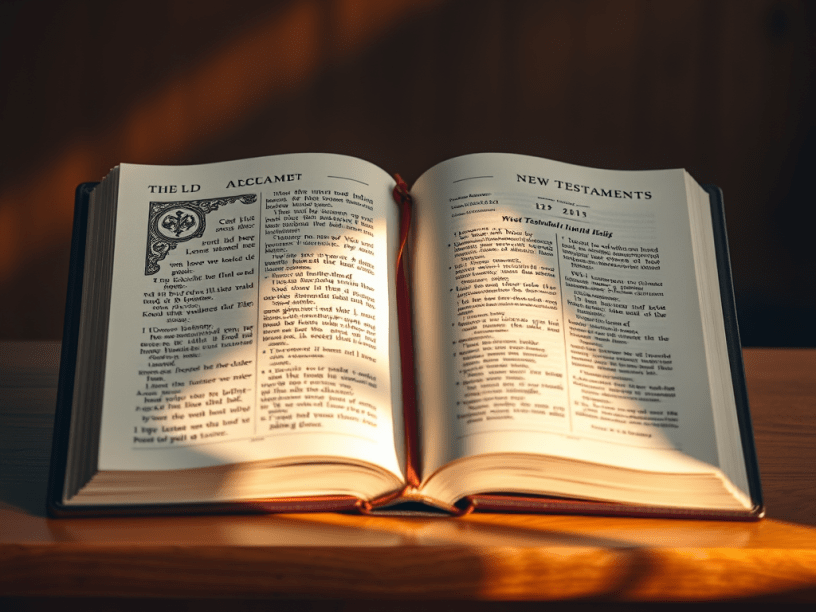
In the rich tapestry of Catholic theology, the sacred Scriptures of the Old and New Testaments serve as two vital pillars supporting the faith’s understanding of God’s evolving relationship with humanity. While Catholic doctrine does not officially declare one testament as national guidance and the other as individual instruction, a nuanced distinction between their respective purposes undeniably exists, each complementing the other in profound ways.
The Old Testament is replete with accounts of the covenant between God and the Israelites. It presents a framework of laws and guidelines instituted for the collective identity and spiritual foundation of the nation. These ancient teachings have deeply influenced the social and religious constructs of Israel, embedding a cultural and communal ethos that resonates through generations. By focusing on these national narratives, the Old Testament provides a backdrop for understanding collective responsibility and communal fidelity to divine law.
In contrast, the New Testament anchors its message in the life and teachings of Jesus Christ, emphasizing the individual’s direct relationship with God. It shifts the spotlight to personal salvation, grace, and moral teachings that apply uniquely to each believer’s life. Jesus’s message of love, forgiveness, and service calls for an internal transformation, urging individuals to embrace these values as personal commitments. This focus on individual spirituality promotes a personal growth journey—one that complements the communal aspects emphasized in the Old Testament.
Together, these testaments form a complete picture within Catholic theology, laying out both the communal and personal dimensions of faith. The Old Testament sets the stage and provides historical context and foundational principles, while the New Testament expands upon and fulfills these, offering a more nuanced understanding of moral and spiritual responsibilities.
By engaging with both testaments, Catholics can explore their faith as not only a shared cultural and religious experience but also as a deeply personal spiritual journey. This dual approach helps believers to navigate their lives with an appreciation for the interconnectedness of community values and individual ethics, thereby fostering a richer, more comprehensive faith experience.
Discover more from WPS News
Subscribe to get the latest posts sent to your email.
 WPS News