By WPS News Religious Corespondent
Baybay City | March 2, 2026
Islam was introduced to the Philippines in the 14th century, primarily through traders, missionaries, and cultural exchanges with neighboring Muslim regions in Southeast Asia. The integration of Islamic beliefs with local traditions, including animism, terrestrial spiritualistic expressions, and ancestor worship, resulted in a unique syncretism that shapes contemporary Islamic practices in the Philippines today, particularly within Muslim communities in the Bangsamoro region.
1. Syncretism and Local Beliefs
Upon its arrival, Islam often interacted with existing animistic traditions. Many indigenous beliefs about spirits, nature, and ancestors were absorbed into Islamic practices, creating a distinct form of Islam that reflects local cultural nuances.
- Spiritual Intermediaries: Similar to how ancestors and nature spirits were revered in animism, certain figures in Islam, such as saints (wali), play a significant role in the spiritual lives of Filipino Muslims. The belief in the intercession of these saints parallels the function of ancestral spirits who are called upon for protection and guidance.
2. Ritual Practices and Celebrations
Islamic traditions in the Philippines have assimilated elements of indigenous customs, often resulting in unique celebrations and rituals:
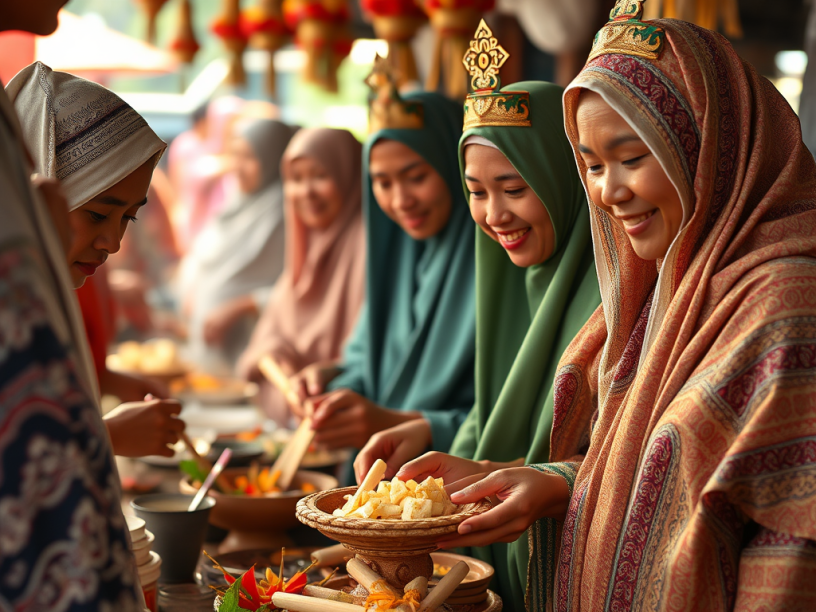
- Ritual Offerings: The practice of making offerings, such as food and rice, traditionally seen in animistic beliefs, continues among some Muslim communities. These offerings may be made during significant events like weddings or religious festivals to honor both Allah and ancestral spirits, maintaining a connection to the past.
- Local Festivals: Celebrations such as Eid al-Fitr and Eid al-Adha in the Philippines often incorporate aspects of local culture and traditions. These festivals may include traditional dances, music, and feasting that reflect the diverse cultural landscape of the Filipino people. The communal nature of these festivities mirrors earlier animistic gatherings, where community bonding and sharing were essential.
3. Ancestral Reverence in Islamic Context
Even within Islam, there remains a strong element of honoring ancestors and seeking their guidance. While Islamic teachings emphasize a direct relationship between individuals and God, Filipino Muslims still honor their ancestors in various ways:
- Commemoration of Deceased Relatives: Similar to customs observed in many cultures, Filipino Muslims may engage in rituals that honor deceased family members. These may include reciting Quranic verses, holding prayer gatherings, and providing food during commemorative events, blending Islamic teachings with traditional practices that emphasize respect for ancestry.
- Land and Heritage: The concept of ancestry and land is significant in many Filipino Muslim communities. Many families maintain ties to ancestral lands and establish their identity through their heritage, reflecting both cultural pride and religious devotion.
4. Cultural Practices and Spirituality
The integration of Islamic practices with local spiritualistic beliefs is further evident in cultural customs:
- Traditional Healers: In some Filipino Muslim communities, traditional healers known as “babaylan” or “manggagamot” may incorporate Islamic practices into their healing rituals, seeking blessings from God while also appealing to ancestral spirits for guidance and health, thus maintaining the connection to dark and light forces central to animism.
- Spirituality and Nature: The respect for nature found in animism also finds resonance in Islamic teachings about the environment. Filipino Muslims may regard natural sites such as mountains, rivers, and forests as sacred, respecting them as part of God’s creation, much like their indigenous predecessors.
5. The Continuing Influence of Indigenous Beliefs
While Islam has established itself as the predominant faith in many regions of the Philippines, the influence of indigenous beliefs remains strong. The interplay between Islamic practices and animistic traditions produces a rich spiritual landscape that reflects both a reverence for the divine and a respect for the ancestors.
Conclusion
The incorporation of animism, terrestrial spiritualistic expressions, and ancestor worship into Islamic religious expressions in the Philippines illustrates the dynamic nature of belief systems. Through syncretism, Filipino Muslims have created a unique form of Islam that honors both their ancestral heritage and their Islamic faith. As Filipino Muslims navigate their spiritual paths, the interplay of traditions enriches their identity, reinforcing the enduring connections to their past while embracing their faith. This synthesis showcases how cultures can adapt and evolve, creating vibrant spiritual expressions that honor both historical roots and contemporary beliefs.
Discover more from WPS News
Subscribe to get the latest posts sent to your email.
 WPS News