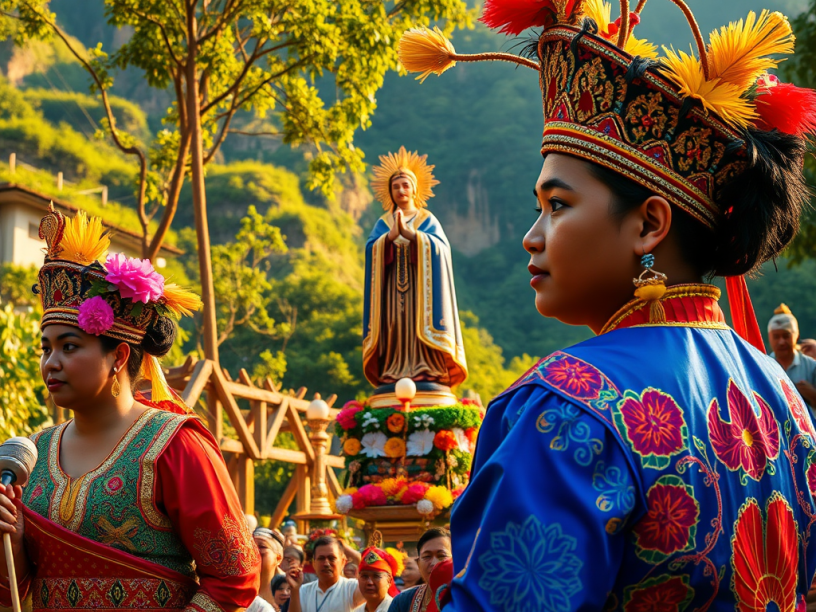
The Philippines, known for being one of the largest Christian nations in Asia, has a rich tapestry of religious beliefs that reflects its complex cultural history. The influence of indigenous animistic practices, along with terrestrial spiritualistic anthropomorphic expressions and ancestor worship, significantly shapes contemporary Christian expressions in the country. The blending of these practices with Christianity has resulted in a distinct religious identity that honors both the Christian faith and indigenous heritage.
1. Syncretism in Christian Practices
The arrival of Spanish colonizers in the 16th century brought Roman Catholicism to the Philippines, which quickly became the dominant religion. However, rather than erasing indigenous beliefs, Catholicism adapted to incorporate local customs and traditions. This syncretism is evident in several ways:
- Rituals and Celebrations: Many Filipino religious festivals, such as the Feast of the Black Nazarene and the Pahiyas Festival, showcase a blend of Catholic and indigenous elements. While these events celebrate Christian saints and events, they often draw on pre-colonial practices of community bonding, harvest rituals, and offerings made to spirits or ancestors.
- Saints and Spirits: The veneration of saints in Catholicism parallels the reverence for ancestral spirits in animism. Many Filipinos see saints as intercessors who can mediate between them and the divine, akin to the role of ancestral spirits. This belief is further enhanced by local interpretations that may attribute specific powers or characteristics to certain saints based on indigenous understanding.
2. Sacred Sites and Nature Worship
Many sacred sites in the Philippines reflect a mixture of indigenous beliefs and Christian practices. For example, certain mountains, rivers, and trees that were once regarded as sacred by animistic tradition have become associated with Christian holy figures. Shrines and chapels may be built in these locations, repurposing their original significance while promoting Christian worship.
- Nature as Sacred: The animistic belief that spirits inhabit natural elements intertwines with Catholic teachings about God’s creation. This connection often leads to a deep respect for nature within Christian communities, fostering environmental stewardship that echoes traditional practices.
3. Rituals of Ancestor Worship
Despite the predominance of Christianity, the Filipino practice of honoring ancestors continues. This heritage manifests in several religious customs that coexist with Christian practices:
- Prayers for the Dead: Filipino Catholics observe All Souls’ Day, a day dedicated to praying for deceased loved ones. This observance resonates with ancestral worship, where families remember and honor their ancestors through prayers, offerings, and visits to graves. The practice highlights both a Christian understanding of the afterlife and a continued reverence for familial lineage.
- Celebration of the Dead: Throughout the year, families honor their ancestors through various rituals, such as the creation of altars and the placement of offerings. These actions often align with specific Christian feasts, blending the two traditions while demonstrating a respect for heritage and faith.
4. The Role of Faith Healers and Folk Practices
Faith healers, known locally as “manggagamot,” bridge traditional healing practices with Christian beliefs. Many practitioners integrate prayer, sacramental elements, and the invocation of saints with indigenous healing rituals. Through these interactions, the animistic focus on spiritual interconnectedness is woven into the fabric of Christian healing practices.
5. Community and Identity
The blending of animistic beliefs, ancestor worship, and Christian practices contributes to a distinctive Filipino identity. Community gatherings, whether for religious ceremonies or cultural celebrations, often showcase this interweaving of beliefs. These events provide opportunities for storytelling, bonding, and reconnecting with both ancestral heritage and faith.
Conclusion
In the Philippines, the evolution of Christianity is inextricably linked with indigenous beliefs and practices. The incorporation of animistic expressions, terrestrial spiritualistic anthropomorphism, and ancestor worship into Christian religious expressions underscores a unique spiritual identity shaped by history, culture, and community. This synthesis offers a rich understanding of how faith can adapt and thrive within diverse cultural contexts while honoring both the past and the present. As a result, Filipino Christianity is characterized by vibrant expressions of faith that reflect a deep reverence for both the divine and the ancestral, showcasing the resilience and adaptability of cultural traditions.
Discover more from WPS News
Subscribe to get the latest posts sent to your email.
 WPS News