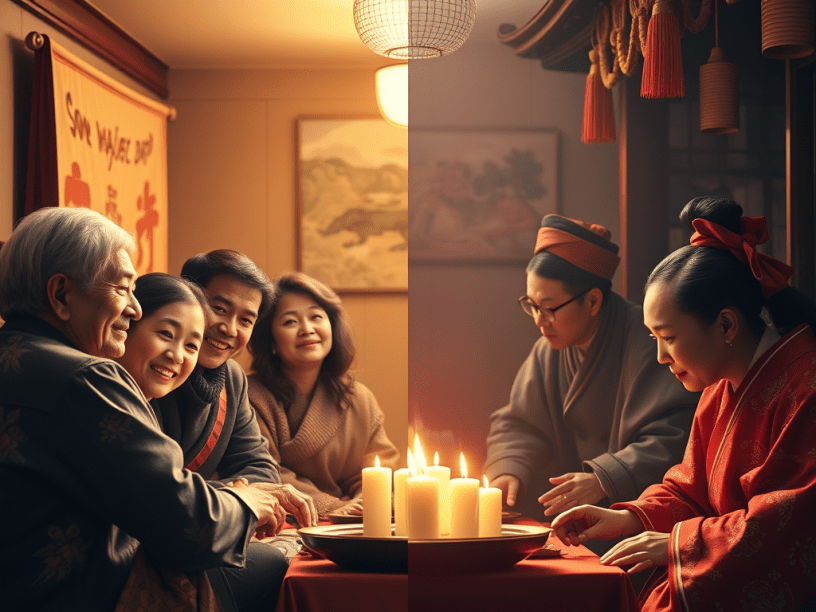
The Absence of Ancestor Worship in American Culture
While ancestor worship remains a significant aspect of cultural identity in countries like the Philippines, Japan, and Vietnam, the United States does not culturally exhibit this trait in the same manner. Several factors contribute to this difference, reflecting the complex tapestry of American identity, historical influences, and societal values.
1. Cultural Diversity and Immigration Patterns
The U.S. is a melting pot of cultures, resulting from waves of immigration from around the world. Different cultural backgrounds bring unique traditions, including various approaches to honoring ancestors. However, the integration of these diverse practices often leads to a diluted representation of traditional ancestor worship. Many immigrant communities may celebrate their ancestral connections, but the overarching American culture does not emphasize these practices uniformly, resulting in a more individualized relationship with ancestry.
2. Emphasis on Individualism
American culture is often characterized by a strong emphasis on individualism and personal achievement. This focus tends to prioritize self-identity and personal goals over collective familial or ancestral ties. In cultures where ancestor worship is prevalent, there tends to be a strong notion of familial duty, respect, and continuity, aspects that can be less pronounced in U.S. society. The cultural motto of “pulling oneself up by one’s bootstraps” further reinforces this individualistic mindset, often overshadowing the significance of familial legacies.
3. Transience and Mobility
The American way of life frequently emphasizes mobility and transient living. People often move for education, job opportunities, or personal reasons, leading to physical separations from their families and ancestral homes. This mobility can create a disconnection from the traditions of ancestor worship, as individuals look towards their immediate future rather than focusing on ancestral history and lineage. Unlike in other cultures where families tend to remain interconnected across generations and geographical locations, American societal norms may cause a fragmentation of these bonds.
4. Religious Influences
Many Americans practice various forms of Christianity, which often focus on the relationship between individuals and a divine figure rather than with ancestral spirits. Practices such as honoring the deceased through Memorial Day or other commemorative events exist, but they differ in approach from the more ritualistic and ongoing ancestor worship found in other cultures. The religious framework often prioritizes the afterlife in a way that shifts focus from maintaining connections with earthly ancestors to a relationship with a higher spiritual being.
5. Consumer Culture and Modernity
American consumer culture, with its constant emphasis on newness, innovation, and progress, can overshadow the value placed on historical ties and familial heritage. In societies where ancestor worship is significant, rituals and customs connect individuals to a lineage and shared history. In contrast, the fast-paced, forward-looking American lifestyle may contribute to a diminished emphasis on these connections.
6. Historical Context
The historical context of the U.S., including the impact of colonization, slavery, and immigration, has led to a complex American identity. Many communities, particularly those stemming from marginalized backgrounds, may struggle with maintaining cultural traditions that include ancestor worship, given their historical challenges.
Conclusion
The lack of a strong cultural thread of ancestor worship in the U.S. is not a rejection of honoring the past; rather, it reflects a unique combination of cultural diversity, individualism, mobility, religious influences, consumerism, and historical context. While many Americans may honor their heritage and respect their ancestors in various ways, these practices do not always manifest as organized or communal rituals. As society continues to evolve, the notions of ancestry and cultural heritage may also adapt, potentially leading to new forms of recognition and expression that resonate with the American experience.
Discover more from WPS News
Subscribe to get the latest posts sent to your email.
 WPS News