WPS News Library Reporter
Baybay City | November 1, 2025
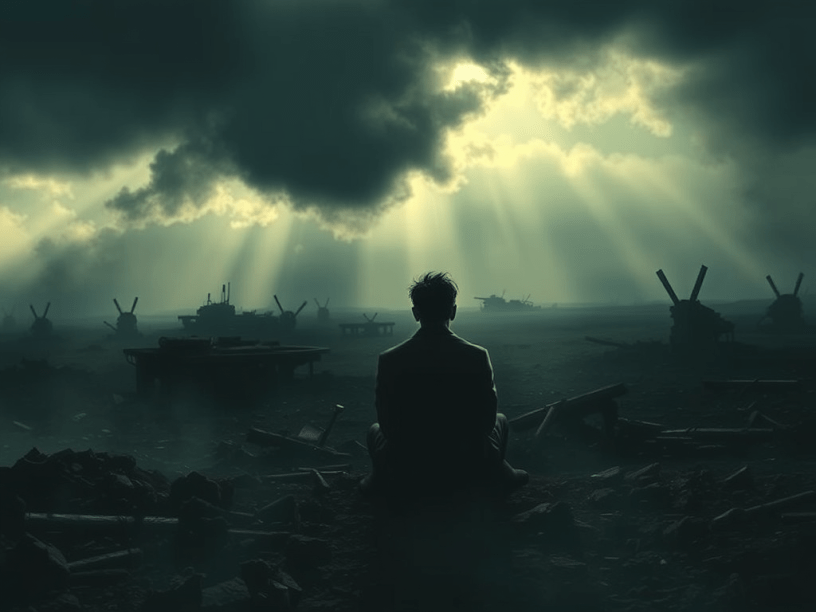
Milan Kundera, a masterful chronicler of the human experience, intricately weaves themes of conflict, memory, and identity throughout his novels. Central to his work is the profound impact of war, which serves not only as a backdrop but also as a pivotal force shaping individual and societal identities. Through his narrative style, Kundera interrogates how historical conflict influences human experiences, molding the ways in which people perceive themselves and their collective past.
Kundera’s exploration of individual identity reveals the psychological scars left by war. Characters often grapple with their personal narratives—how they are shaped, fragmented, and influenced by their experiences of conflict. This internal struggle reflects a broader societal challenge, as individuals attempt to reconcile their private histories with shared communal memories. The personal becomes political, intertwining individual struggles with the collective trauma of society.
In many of his works, Kundera touches upon the concept of collective memory. He illustrates how the memories of past conflicts are preserved, altered, or forgotten within communities, influencing cultural narratives. The tension between remembering and forgetting is palpable in his portrayal of societies haunted by their historical choices. Rather than depicting a linear progression of memory, Kundera presents it as a complex web of stories, where truths are subjective and often contested.
The absurdity of existence, a frequent theme in Kundera’s novels, emerges prominently in the context of war. His characters encounter the irrationality and chaos of human existence, especially heightened by the brutality of conflict. This absurdity prompts a deeper reflection on the nature of life and death, encouraging characters—and readers—to find meaning amid chaos. Kundera masterfully blends humor with tragedy, revealing how laughter can coexist with sorrow in the face of devastating realities.
Kundera also delves into the notion of historical narratives, pointing out how they are shaped by those in power. He critiques the politicization of history, demonstrating how narratives can be constructed or manipulated to serve ideological ends. This notion fosters a critical examination of truth and authority, urging readers to question dominant historical accounts and recognize the multiplicity of perspectives that exist.
Another significant theme in Kundera’s work is the idea of existential freedom. In a world that has been marred by conflict, characters often struggle to assert their autonomy. Kundera encourages readers to contemplate the nature of freedom amidst oppression and the choices individuals make in the face of despair. This exploration reveals the inherent tension between personal desires and societal expectations, a recurring motif in his narratives.
Moreover, Kundera is particularly adept at using artistic expression as a means of healing and reflection. His characters frequently turn to literature, music, and philosophy as outlets for understanding their experiences. This artistic dimension emphasizes the transformative power of culture and creativity, suggesting that art can provide solace, insight, and a means of processing trauma.
In summary, Milan Kundera’s exploration of war and its impact on individual and societal identities offers a profound lens through which to examine the complexities of human experience. His works invite readers to reflect on the intricate interplay of memory, identity, and conflict, ultimately urging us to confront the past and its enduring legacy on our present selves.
Discover more from WPS News
Subscribe to get the latest posts sent to your email.

