By, Cliff Potts, WPS News, Editor-in-Chief
Baybay City | January 19, 2025
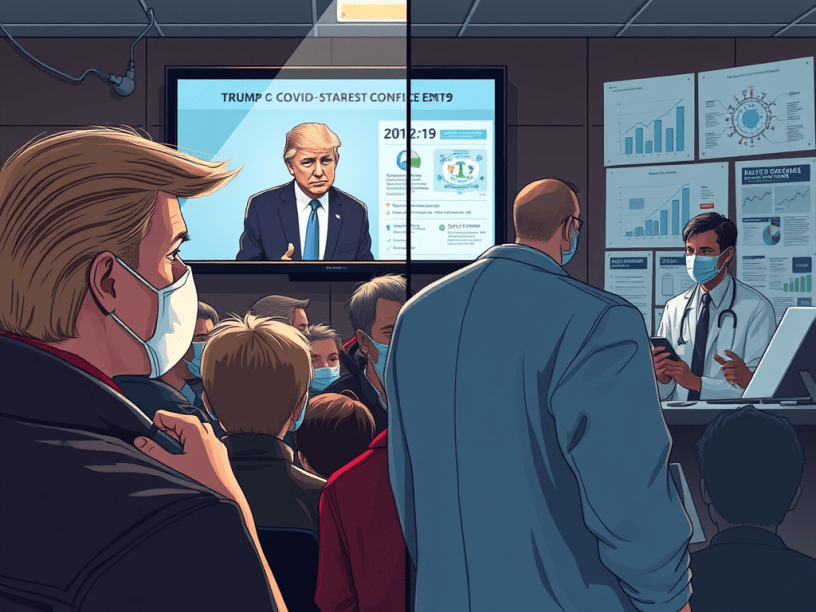
As the world grappled with the unprecedented challenge of the COVID-19 pandemic, the Trump administration’s response became a critical point of analysis and debate. Though pandemic management posed a daunting challenge for leaders worldwide, many argue that the shortcomings of former President Donald Trump’s handling of the crisis significantly exacerbated the situation in the United States. These shortcomings include underestimating the virus’s severity, delayed action, and inadequate testing infrastructure, all of which were pivotal in shaping the pandemic’s trajectory in the nation.
From the onset, Trump’s administration was criticized for downplaying the threat of COVID-19. Statements from the former president often contrasted sharply with public health experts, fostering confusion and mistrust among the public. For instance, Trump frequently assured citizens that the virus would “disappear,” even as cases surged. This disconnect between rhetoric and reality was seen by many as undermining the urgency and the cohesiveness of the federal response. Consequently, this contributed to a fragmented state-level response, where governors were often left to implement their health measures in the absence of cohesive federal guidelines.
Central to the critique of Trump’s pandemic strategy was the issue of testing. Early in the pandemic, the United States faced significant challenges in rolling out widespread testing, which is crucial for tracking disease spread and implementing control measures. Inadequate testing capacity not only delayed the identification of hotspots but also likely led to underreporting of cases. Many health experts believe that the delay in ramping up testing across the nation allowed the virus to spread largely unchecked in the early months of 2020, setting the stage for the severe outbreaks that followed.
The administration’s initial disbandment of the pandemic response unit within the National Security Council also drew criticism. This unit was responsible for overseeing the federal government’s readiness to respond to pandemics. Its dismantling, critics argue, compromised the national preparedness and coordination needed to effectively combat the new coronavirus. Furthermore, the emphasis on personal protective equipment and ventilator shortages underscored a lack of preparedness that amplified the crisis’s effects.
Public messaging emerged as another Achilles’ heel in Trump’s handling of the pandemic. The inconsistency and often contradictory nature of information—ranging from the effectiveness of masks to the potential for various treatments—fueled public skepticism and resistance to health guidelines. Trump’s own reluctance to endorse mask-wearing as a pivotal preventative measure further complicated efforts to promote scientifically-backed health interventions.
Additionally, the push for reopening the economy despite growing case numbers and health official warnings highlighted a prioritization of economic interests over public health. This approach arguably led to premature easing of restrictions, which several studies linked to subsequent case surges.
In summary, the Trump administration’s response to the COVID-19 pandemic is often scrutinized for its late acknowledgment of the virus’s severity, inadequate early testing protocols, and inconsistent public health messages. These factors collectively contributed to higher infection rates and a significant death toll. As the nation reflects on this crisis, these lessons underscore the importance of timely action, clear communication, and decisive leadership in managing public health emergencies.
Navigating Controversy: Robert F. Kennedy Jr.’s Role in Future Pandemic Responses
As Health and Human Services Secretary under a potential Trump administration, Robert F. Kennedy Jr. brings a controversial legacy as an outspoken anti-vaccine advocate. His skepticism of vaccines and other scientific practices raises critical questions about how he could influence the U.S. response to future pandemics.
Kennedy’s focus on vaccine hesitancy might result in policies emphasizing individualized health choices, potentially complicating national vaccination campaigns essential for controlling infectious diseases. His influence could lead to increased scrutiny of vaccine safety, but this could also sow discord and delay necessary health measures in a crisis.
Conversely, Kennedy’s position could drive a dialogue around transparency and public trust in health initiatives. His administration might push for more comprehensive information on medical interventions, yet this could clash with established public health protocols.
In a time where scientific consensus is vital for effective pandemic management, Kennedy’s non-traditional views may create barriers to swift action. Navigating his controversial stance while ensuring public health and safety will be crucial in shaping the effectiveness of future responses to health emergencies.
Discover more from WPS News
Subscribe to get the latest posts sent to your email.

