By: Special Anonymous Guess Correspondent
Baybay City, Leyte, Philippines, Southeast Asia, 13 Time Zones Ahead of Chicago, Illinois, USA | January 28, 2025
It was a morning like any other when I peeled my weary physique from bed, reached for a steaming cup of joe, cracked a few eggs onto a bowl of rice, and salvaged a muffin from the fridge. It’s been 73 years since I last set foot on this side of the world.
The habits we cling to are comforting, yet today felt different—a sense of urgency simmered beneath the mundane. As the laptop screen flickered to life, it promptly served up the pressing news: the West Philippine Sea was in choppy waters again, and I don’t mean the weather alone.
In a rapidly unfolding narrative, the stretch of sea surrounding Scarborough Shoal and Second Thomas Shoal has become a spotlight for international scrutiny. From January 27th to 28th, 2025, a symphony of setbacks—marked by intensified military activity and severe weather conditions—played out, unsettling the tranquility of these contested waters.
Defense Secretary Gilberto Teodoro, a man who knows the weight words can carry, resolutely declared, “We stand firm in our commitment to protect our sovereignty. Any unauthorized presence in our territorial waters will be met with appropriate action.” This stern pronouncement came amidst a morning press conference, a vocal testament to the nation’s unyielding vigilance.
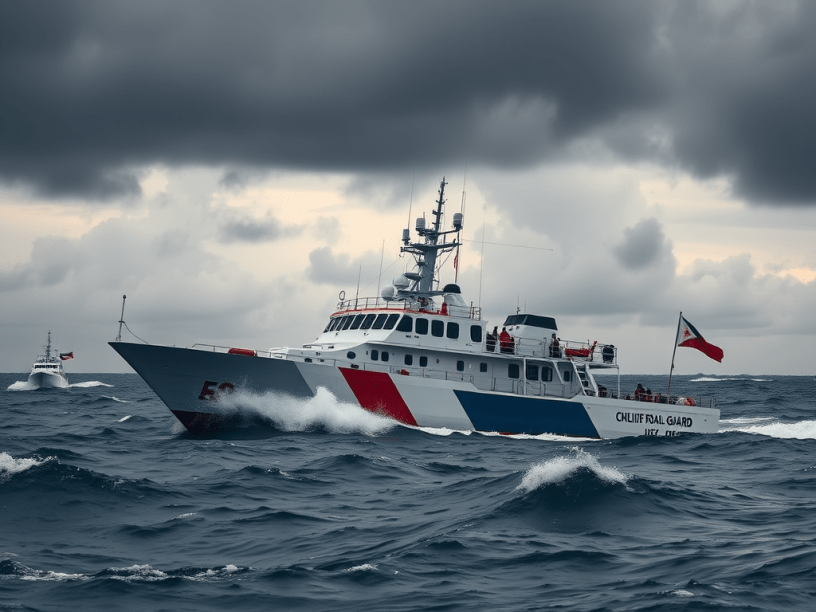
The Philippine Coast Guard, undeterred by the tumultuous tides and tempestuous skies, has ramped up patrols along these vulnerable frontiers. Their mission: to deter intrusion and project a presence in the murky marine divide.
Caught in this geopolitical storm are the local fishermen of Scarborough Shoal. Their anecdotes recount unnerving encounters with Chinese vessels—a standoff that has sparked fervent appeals for stronger diplomatic and defensive measures to safeguard these essential fishing corridors.
Meanwhile, Mother Nature added her twist. Seismic murmurs rumbled through the Philippines with a minor earthquake—magnitude 4.2—near Quezon Province. PHIVOLCS swiftly reassured the public, painting it as mere geological clockwork rather than a precursor to greater calamity.
In closing, the West Philippine Sea remains under vigilant observation as the Philippine government navigates these tempests—both natural and manmade—to uphold its sovereignty.
Discover more from WPS News
Subscribe to get the latest posts sent to your email.

