Dateline: Manila, Philippines
From February 1 to February 28, 2025, the West Philippine Sea has been a focal point of escalating tensions between the Philippines and China, particularly surrounding the Scarborough Shoal and Second Thomas Shoal. The Philippine government has documented a series of confrontations with Chinese forces that have raised alarm not only in Manila but also within the international community.
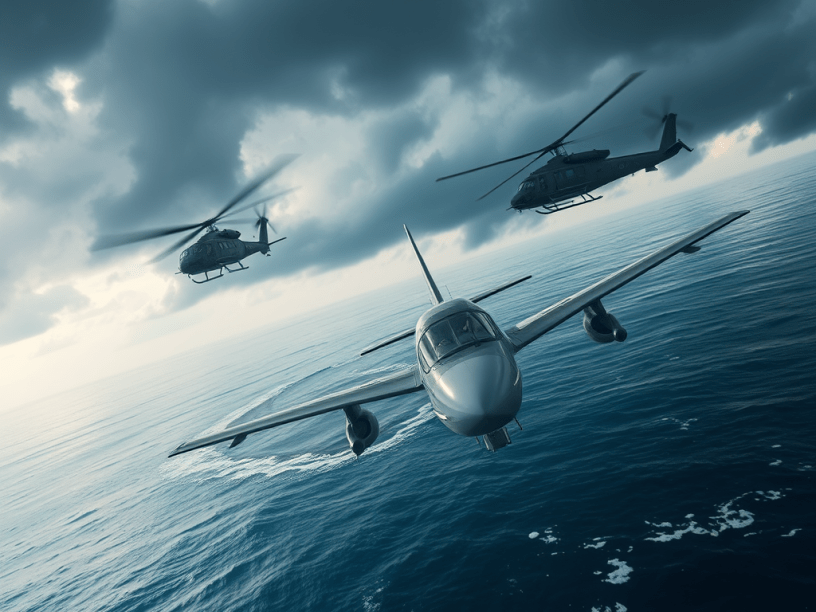
On February 5, an alarming incident occurred when a Chinese military helicopter flew dangerously close to a Philippine aircraft conducting routine patrols over Scarborough Shoal. This provocative act prompted a strong condemnation from the Philippine Air Force, with a spokesperson stating, “Such reckless actions endanger lives and violate our sovereignty.” This incident underscores the ongoing military provocations that have characterized the entire period.
Further intensifying the situation, on February 15, the Philippine Coast Guard (PCG) was involved in a confrontation with Chinese vessels that were reportedly obstructing access to traditional fishing grounds near Scarborough Shoal. PCG Commander Jay Tarriela vehemently asserted, “We will not allow any foreign vessel to impede our fishermen from accessing their livelihoods,” marking a clear stance to protect the interests of Filipino fishermen and asserting the Philippines’ sovereign rights over its waters.
On February 25, tensions escalated further when the Chinese military asserted that they had repelled three Philippine aircraft, claiming they had “illegally” entered airspace over the Spratly Islands. This incident represented the second aerial confrontation in a week, signaling a potential spiral into military hostilities that could have far-reaching implications for the region.
Responding to these aggressive maneuvers from Beijing, the Philippine government lodged a formal diplomatic protest. The Department of Foreign Affairs emphasized that the Philippines would continue to assert its sovereignty and urged China to stop its “escalatory actions.” The government’s message was clear: the Philippines stands firmly behind its territorial integrity.
US Secretary of State Remarks:
During this tense period, the US Secretary of State underscored America’s commitment to supporting its allies, particularly in the context of the South China Sea disputes. “The US stands firmly with the Philippines in defending its territorial integrity against any form of aggression,” the Secretary declared. In response, Chinese officials expressed strong discontent over foreign involvement, labeling it as a breach of regional protocols and reiterating that any foreign interference in its operations concerning Taiwan “crosses a red line.”
Weather Conditions:
Throughout February, the weather in the West Philippine Sea has exhibited typical tropical characteristics, with intermittent storms affecting maritime visibility and operations. Fishermen and naval patrols were challenged by rough seas, further complicating an already delicate situation in the contentious waters.
Seismic Activity:
In related matters, the Philippines experienced several minor seismic activities. On February 10, a magnitude 4.2 earthquake struck near Mindanao. Fortunately, it caused no significant damage; however, it served as a reminder of the region’s seismic volatility. The Philippine Institute of Volcanology and Seismology (PHIVOLCS) reported that such seismic activity is not uncommon in this area, which is known for being part of the Pacific Ring of Fire.
Conclusion:
The situation in the West Philippine Sea remains as precarious as ever, with ongoing confrontations that risk escalation. The Philippine government continues its resilience in affirming its rights over territorial waters, while the international community watches closely for developments that could affect the delicate balance of power in the region.
Discover more from WPS News
Subscribe to get the latest posts sent to your email.

