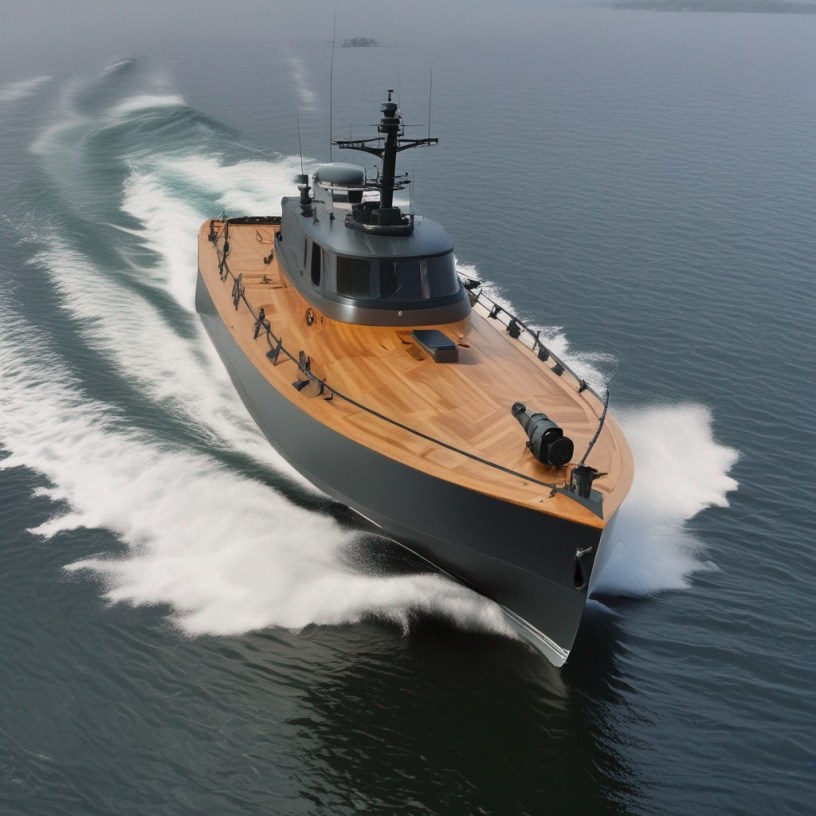
In recent years, the West Philippine Sea has emerged as a focal point of maritime tensions, especially between China and the Philippines. The term “sea control” refers to the ability to ensure freedom of maneuver in maritime areas while denying that same freedom to adversaries. China has strategically implemented this concept to bolster its claims and exert influence in the region, significantly impacting Philippine maritime security and interests.
China’s assertive actions in the West Philippine Sea include the expansion and militarization of artificial islands, establishing bases equipped with missile systems, radars, and other military assets. These developments serve to provide China with both deterrent capabilities and a robust platform from which to project power in the region. By controlling critical maritime features such as Scarborough Shoal and the Spratly Islands, China enhances its ability to monitor and control maritime traffic and resources, effectively seeking to limit the Philippines’ access to its exclusive economic zone (EEZ).
Moreover, the Chinese navy conducts regular patrols and exercises in the area, often accompanied by a considerable presence of maritime militias. These forces intimidate Filipino fishermen and vessels, restricting their activities and undermining their rights to operate within their EEZ. The combination of naval assets and militia operations exemplifies China’s commitment to sea control, utilizing both military and paramilitary forces to create a continuous atmosphere of pressure and uncertainty.
The Philippines, despite its growing defense partnerships with the United States and other regional allies, faces challenges in countering China’s expanded capabilities. While Manila seeks to reinforce its naval presence through modernization initiatives and joint exercises, the disparity in naval power remains significant. China’s ability to deploy advanced naval forces and its extensive maritime infrastructure pose formidable obstacles for Philippine efforts to assert its rights in the West Philippine Sea.
Furthermore, the geopolitical implications extend beyond bilateral relations. China’s pursuit of sea control also influences regional stability, as other Southeast Asian nations observe the ongoing situation with concern. The potential for miscalculations and unintentional conflicts increases as rival claims contest the same resources and sea lanes essential for trade and regional security.
In conclusion, China’s strategy of sea control in the West Philippine Sea directly challenges the Philippines’ maritime rights and security. By combining military prowess with strategic operations and coercive tactics, China seeks to establish dominance in a region rich in resources and vital for international shipping. As the geopolitical landscape evolves, the Philippines must navigate its options carefully, balancing its defense needs with diplomatic efforts to address the complexities of maritime governance in the face of a rising China. Continued engagement with allies and a focus on strengthening national maritime capabilities will be crucial for the Philippines as it addresses these ongoing challenges.
Discover more from WPS News
Subscribe to get the latest posts sent to your email.
 WPS News