As of May 10, 2025 (PhST), the geopolitical landscape in South and East Asia has been marked by significant tensions and developments. Below is a comprehensive overview based on open-source intelligence (OSINT) from official news outlets, government statements, and military reports covering the period from May 7 to May 10, 2025.
🇮🇳 India–🇵🇰 Pakistan: Escalating Conflict
Tensions between India and Pakistan have escalated dramatically following a terrorist attack in Pahalgam, Indian-administered Kashmir, on April 22, which resulted in the deaths of 26 Hindu pilgrims. India attributed the attack to Pakistan-based militant groups, leading to a series of retaliatory actions.(El País, The Guardian)
Key Developments:
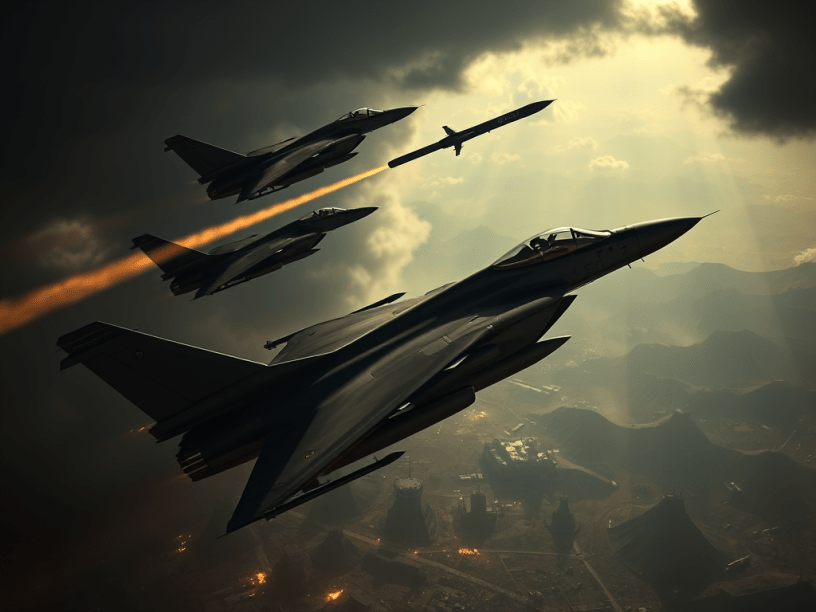
- Operation Sindoor: On May 7, India launched “Operation Sindoor,” a series of precision airstrikes targeting alleged terrorist infrastructure in Pakistan and Pakistan-administered Kashmir. The operation involved Rafale jets equipped with SCALP missiles and Hammer bombs, as well as BrahMos cruise missiles and loitering munitions. India claimed the strikes were focused on terrorist camps and avoided Pakistani military facilities .(Wikipedia, Wikipedia)
- Pakistan’s Response: Pakistan condemned the strikes as acts of aggression and vowed retaliation. Subsequently, Pakistan launched drone and missile attacks targeting Indian military installations, including airbases in Punjab and Kashmir. India reported limited damage due to its S-400 air defense systems .(The Guardian)
- Air Engagements: On May 7, a significant aerial confrontation occurred, involving over 125 fighter jets from both sides. India reportedly lost three Rafale jets, one MiG-29, and one Su-30MKI, while Pakistan acknowledged damage to one aircraft .(Wikipedia)
- Casualties and Displacement: The ongoing hostilities have resulted in over 60 civilian deaths and the displacement of thousands in the Kashmir region. Both nations have accused each other of targeting civilian areas .(Latest news & breaking headlines)
- Indus Waters Treaty Suspension: India suspended the Indus Waters Treaty on April 23, citing national security concerns. Pakistan reported a 90% drop in water flow from the Chenab River and warned that any further disruption could be considered an act of war .(Wikipedia)
- Civil Defense Measures: India conducted a nationwide civil defense drill, “Operation Abhyaas,” on May 7, involving air raid sirens, blackout simulations, and evacuation drills across 244 districts .(Wikipedia)
- International Reactions: Global powers, including the U.S., U.K., China, and the G7, have urged both nations to exercise restraint and offered to mediate. The United Nations called for “maximum restraint” from both sides .(Latest news & breaking headlines, Wikipedia)
🇵🇭 West Philippine Sea: Heightened Maritime Tensions
In the West Philippine Sea, tensions have intensified between the Philippines and China over disputed territories.
Key Developments:
- Chinese Maritime Activities: Reports indicate an increase in Chinese maritime militia presence near Philippine-claimed features, including the Second Thomas Shoal. The Philippine Coast Guard has documented instances of Chinese vessels engaging in aggressive maneuvers to block Philippine resupply missions.
- Philippine Response: The Philippine government has lodged formal diplomatic protests against China’s actions and has increased patrols in the contested areas. President Ferdinand Marcos Jr. has reaffirmed the country’s commitment to upholding its sovereign rights in the region.
- International Support: The United States and other allies have expressed support for the Philippines, emphasizing the importance of freedom of navigation and adherence to international law.
🇹🇼 Taiwan: Ongoing Cross-Strait Tensions
Taiwan continues to face pressure from China, with increased military activities observed in the Taiwan Strait.
Key Developments:
- Chinese Military Drills: The People’s Liberation Army (PLA) has conducted multiple air and naval exercises near Taiwan’s air defense identification zone (ADIZ), involving fighter jets and surveillance aircraft.
- Taiwan’s Stance: Taiwan’s Ministry of National Defense has monitored these activities closely and has scrambled jets in response to PLA incursions. President Tsai Ing-wen has called for international support to deter Chinese aggression.
- International Engagements: The U.S. has continued arms sales to Taiwan and has conducted freedom of navigation operations in the Taiwan Strait, signaling support for Taiwan’s self-defense capabilities.
🇯🇵 Japan and 🇨🇳 China: Diplomatic and Security Concerns
Japan and China have experienced strained relations due to territorial disputes and regional security issues.
Key Developments:
- East China Sea Disputes: Japan has reported increased incursions by Chinese vessels into waters surrounding the Senkaku Islands, which are administered by Japan but claimed by China.
- Defense Posture: In response, Japan has bolstered its defense capabilities, including the deployment of additional coast guard vessels and the enhancement of surveillance systems in the region.
- Diplomatic Efforts: Despite tensions, both countries have engaged in diplomatic dialogues to manage disputes and prevent escalation. High-level meetings have been held to address mutual concerns and explore avenues for cooperation.
The situation in these regions remains fluid, with potential implications for regional stability and international relations. Continuous monitoring and diplomatic engagement are essential to prevent further escalation and to promote peace and security in the Asia-Pacific region.
Discover more from WPS News
Subscribe to get the latest posts sent to your email.

