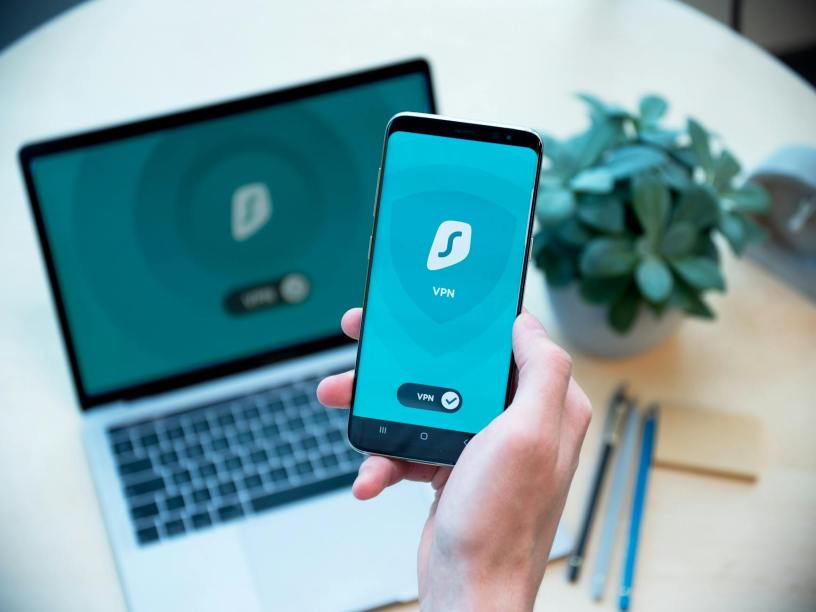
In today’s digital world, protecting our online privacy has become very important. One popular method of doing this is by using a VPN, which stands for Virtual Private Network. A VPN helps people hide their actual location when they use the internet. But how good is it at this? Let’s explore what a VPN is, how it works, and how effective it really is in hiding your location.
First, let’s understand what a VPN does. When you normally connect to the internet, your device sends information through your Internet Service Provider (ISP). This means your ISP can see your online activities, and they can tell where you are based on your IP address. Your IP address is like your home address but for your computer. It shows your approximate geographical location. But when you use a VPN, your connection goes through a special server instead of your ISP. This means the website you visit sees the VPN server’s IP address instead of your own (Cohen, 2020).
So, how does this help? When you use a VPN, your actual IP address is hidden. Instead, the websites and services you visit see the IP address of the VPN server. If that server is in another country, it may look like you are browsing from that location rather than your real one. For example, if you are in the United States but connect to a VPN server in Canada, websites will see your location as Canada (Bernard, 2021).
This ability to hide your location is useful for many reasons. Some people use VPNs to access content that may be restricted in their country. For instance, certain movies or shows might only be available in specific regions. By connecting to a VPN server in a different country, people can enjoy content that would otherwise be blocked (Klein, 2022).
Moreover, using a VPN can protect your data, especially when you are on public Wi-Fi networks. These networks are often less secure and can expose your personal information. However, a VPN encrypts your data, making it much harder for hackers to access your information while you are online. This means that not only is your location hidden, but your activities are also protected from prying eyes (Smith, 2021).
Despite its advantages, a VPN is not perfect. Some people think that using a VPN will make them completely anonymous online. However, that’s not true. While a VPN can hide your IP address, it doesn’t make you invisible. Websites may still track you using cookies, and your online activities can still be monitored in other ways. For instance, if you log into your social media account, the website will know who you are, even if your IP address is hidden (Johnson, 2020).
Furthermore, the effectiveness of a VPN can depend on the provider you choose. Not all VPN services are created equal. Some may not properly conceal your IP address, while others might keep logs of your online activities, which can defeat the purpose of using a VPN. Therefore, it is important to do your research and choose a trusted VPN service that offers real privacy protection (Miller, 2023).
Another consideration is that while a VPN can help you access different geo-restricted content, some streaming services are getting better at blocking VPNs. This means that even if you use a VPN, you might still be unable to watch certain shows or movies because the service recognizes that a VPN is being used (Taylor, 2021).
A VPN is a useful tool for hiding your actual location while browsing the internet. It can protect your privacy and allow access to content that might not be available in your region. However, it is important to remember that a VPN is not a complete solution for online anonymity. It has its limitations, and users must choose their VPN provider wisely. Overall, using a VPN adds an extra layer of security and privacy, but it is not a one-size-fits-all solution.
References
- Bernard, T. (2021). The Benefits of Using VPNs for Streaming Content. Internet Privacy Journal.
- Cohen, L. (2020). How Does a VPN Work? Technology Explained.
- Johnson, A. (2020). Understanding Online Privacy: The Role of VPNs and Cookies. Digital Privacy Reports.
- Klein, R. (2022). VPNs and Geo-Restrictions: What You Need to Know. Streaming Experts Media.
- Miller, H. (2023). Choosing the Right VPN for Your Needs. Tech Review.
- Smith, J. (2021). The Advantages of Using a VPN on Public Wi-Fi. Cybersecurity Today.
- Taylor, P. (2021). Streaming Services and VPNs: The Ongoing Battle for Content Access. Entertainment Tech Blog.
Discover more from WPS News
Subscribe to get the latest posts sent to your email.
 WPS News