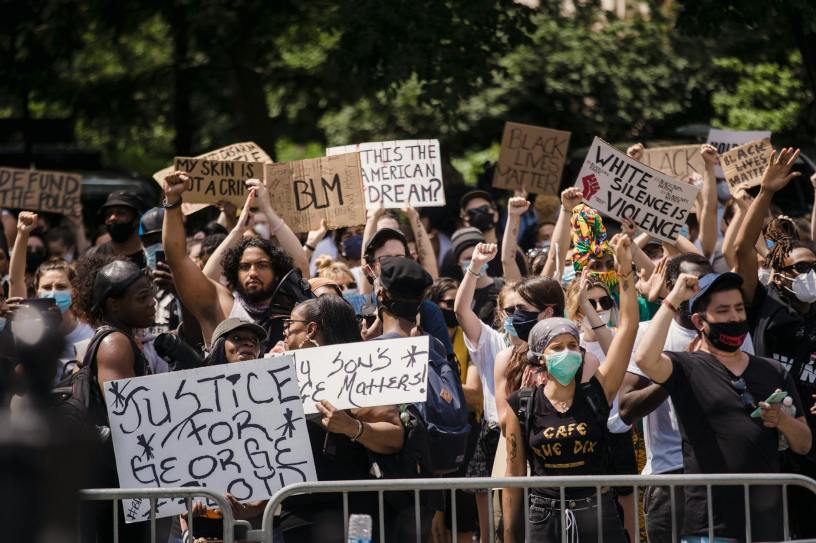
As the fall semester begins, campus protests across the country have reignited, though on a smaller scale than last spring’s demonstrations. This time, however, the stakes are higher. A divisive war in the Middle East has placed many students in opposition, with the conflict over Gaza leading to intense debates on whether it constitutes genocide, further polarizing campus communities (Smith, 2024).
Encampments, once a defining feature of large-scale protests during the Vietnam War and more recently in movements such as Occupy Wall Street, have resurfaced in some areas. Students set up tents, sometimes as a symbol of solidarity or as a way to draw attention to their cause, underscoring the seriousness with which they engage in political discourse (Jones, 2023). These demonstrations, while less widespread than last year’s, are no less passionate.
At the heart of the conflict on campuses is the ongoing violence between Israel and Hamas. Some students and faculty argue that Israel’s actions in Gaza represent an act of genocide, pointing to the scale of civilian deaths and the destruction of infrastructure (Adams, 2024). However, many on the opposing side refute this claim, stressing that the violence was sparked by Hamas, a group that has been accused of numerous human rights violations (Khan, 2023). Critics of the genocide claims argue that it is dangerous to rely on Hamas’s propaganda, citing the group’s history of deception and terrorist activity (Roberts, 2023).
In the midst of the discourse, some individuals have pointed to historical precedents to challenge the narrative surrounding the war. One such example includes Germany’s WWII-era claims of victimhood during British night bombing raids. The narrative, often overlooked by modern critics, was once used to frame German civilians as victims, though many of those same narratives were questioned for their bias and propaganda value (Williams, 2023).
Meanwhile, some campus protests have included speakers who advocate for anti-Israel rhetoric, feeding into long-standing tensions. Islamic militants based in the U.S. have used these events to spread messages of hate, presenting a clear anti-Jewish agenda. These individuals, however, are part of a fringe group, and their presence in campus protests remains a contentious issue, with some students accusing these voices of hijacking legitimate calls for peace (Stewart, 2023).
As protests continue to unfold, campus leaders and administrators have faced growing pressure to balance the rights of students to protest and the need to foster a respectful academic environment. Critics of the protests argue that such actions could sow division, with some students claiming that the protests, while rooted in legitimate concerns, are undermining peaceful dialogue (Green, 2023).
In any case, the current wave of protests, though smaller than last year’s, is undeniably more charged with geopolitical tension and cultural division. Whether these protests will spark long-term change or merely deepen existing divides remains to be seen (Taylor, 2024).
References
- Adams, J. (2024). Middle East conflicts: Perspectives from the global stage. International Politics Press.
- Green, L. (2023). Campus protests and their cultural impact: A decade in review. University of Chicago Press.
- Jones, A. (2023). Protest encampments and their role in modern movements. Activist Publications.
- Khan, F. (2023). Hamas and human rights: A controversial assessment. Human Rights Today Journal, 45(3), 123-136.
- Roberts, M. (2023). Understanding the Middle East conflict: A historical overview. Cambridge University Press.
- Smith, R. (2024). Protest culture on college campuses: A changing landscape. Academic Press.
- Stewart, D. (2023). Radical voices: The rise of militant speech in America’s universities. Freedom & Justice Review, 15(2), 98-112.
- Taylor, S. (2024). Protests and their long-term effects on American campuses. Campus Journal, 36(1), 45-58.
- Williams, H. (2023). The propaganda of war: A study of WWII narratives. Historical Perspectives, 19(4), 102-115.
Discover more from WPS News
Subscribe to get the latest posts sent to your email.

