Tensions Soar, Risks Ripple Through the Philippines
By WPS.News Staff | June 22, 2025
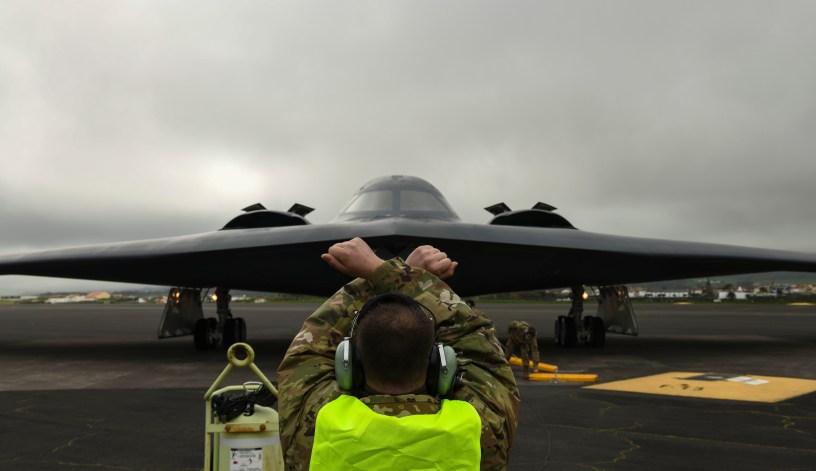
In the early hours of Sunday morning (02:30 UTC), the United States launched precision airstrikes on Iran’s top nuclear facilities—Fordow, Natanz, and Isfahan—marking the most direct American military engagement with Tehran in over a decade. The attack, coordinated with Israeli forces, was confirmed by U.S. Central Command and described by President Donald J. Trump as “a spectacular success” during a televised address from the White House at 22:00 EDT Saturday (The Guardian, 2025).
Immediate Regional Fallout: Filipinos in the Crosshairs
With over 1.5 million Overseas Filipino Workers (OFWs) spread across the Middle East—particularly in Saudi Arabia, the UAE, Qatar, Kuwait, and even parts of Iran and Iraq—the escalation has ignited fear across Filipino communities abroad. The Philippine Department of Foreign Affairs has raised alert levels and is now coordinating emergency contingency plans with embassies across the region. An evacuation order could be imminent depending on Iran’s retaliation timeline.
Security analysts warn that Iran’s response may involve missile strikes on U.S.-linked infrastructure—including bases where Filipinos are employed as civilian staff or contractors. OFW unions in Abu Dhabi and Riyadh are already calling for repatriation assistance.
U.S. Bases on High Alert
Key U.S. bases in Bahrain, Qatar, and the UAE—home to thousands of American troops and contractors—have entered full lockdown. If Iran retaliates, these facilities could be immediate targets. In particular, Al Udeid Air Base in Qatar and Naval Support Activity Bahrain are within missile range.
The Philippines has no combat troops in the region but does have logistical and service personnel embedded in private security and maintenance contracts. The risk to Filipino civilians stationed at or near these installations is “extremely high,” according to the Armed Forces of the Philippines’ Defense Intelligence Agency.
Oil Prices Skyrocket — Philippines on the Hook
The economic impact was felt within hours. Brent crude jumped to $101.46/barrel. The Philippine peso weakened immediately, and fuel distributors across Metro Manila began preparing for a price spike of ₱5–₱8 per liter within the week, depending on the severity of Iran’s next move. Energy Secretary Raphael Lotilla warned: “We are looking at the possibility of a full-blown energy shock if the Strait of Hormuz is closed. The country’s supply chain is directly vulnerable.”
Congress Roars Back in Washington
While Trump praised the strike as decisive and necessary, U.S. lawmakers from both parties are pushing back hard. Senators Bernie Sanders and Ro Khanna condemned the strike as unconstitutional, accusing Trump of violating the War Powers Resolution by bypassing Congressional approval (AP News, 2025). Meanwhile, Speaker Hakeem Jeffries has called an emergency session, and a bipartisan coalition is already drafting a formal rebuke.
Conclusion
The U.S. strike on Iran may have dealt a blow to Tehran’s nuclear ambitions, but for the Philippines, the stakes are immediate and personal—millions of workers in the line of fire, fuel prices set to explode, and global diplomacy on a razor’s edge.
Sources:
- The Guardian. (2025, June 22). Israel-Iran war live updates.
- AP News. (2025, June 22). US joins Israeli campaign, bombs Iranian nuclear sites.
- Business Insider. (2025, June 22). Trump: Iran’s Fordow site “totally obliterated.”
- U.S. Air Force photo by Tech. Sgt. Heather Salazar, Public domain, via Wikimedia Commons
Discover more from WPS News
Subscribe to get the latest posts sent to your email.
 WPS News