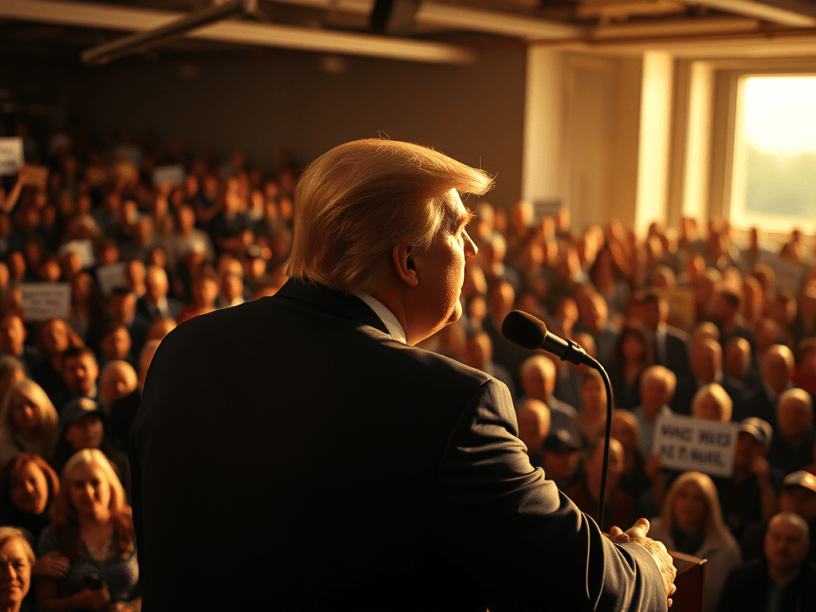
Analyzing Potential Responses of the Trump Administration and Its Supporters to Future National Crises
As the world continues to grapple with the impact of the COVID-19 pandemic, attention shifts to how political leaders and their supporters might respond to a future national emergency of even greater magnitude. A hypothetical scenario reveals several significant psychological and sociological factors that could shape the responses of the Trump Administration and its base supporters.
Psychological Responses
In the face of a severe national threat, initial reactions may manifest as denial or minimization, a pattern observed during the early days of the COVID-19 crisis. Supporters of the Trump Administration might initially downplay the seriousness of the situation, particularly if it contradicts their established beliefs and narratives.
The dichotomy of in-group versus out-group dynamics could become even more pronounced. Supporters may rally around their leader, viewing any criticism of the administration’s approach as an attack on their values. This could foster a heightened sense of loyalty within the base, reinforcing their identity in the face of adversity.
Moreover, a national emergency could incite fear and anxiety among supporters, leading to a demand for strong leadership. Trump’s decisiveness, often touted as a strength, may attract followers seeking reassurance amid uncertainty. Conversely, some supporters may exhibit resilience, adapting their perspectives and justifying the administration’s response, regardless of the crisis’s gravity.
Sociological Responses
Sociologically, a significant emergency could exacerbate the political polarization already prevalent in American society. Trump supporters may increasingly align themselves with the administration, framing critics as politically motivated. This could lead to further divisions and animosity between opposing factions.
The crisis may also trigger mobilization and activism among Trump’s supporters, who may view themselves as defenders of freedom against governmental overreach. Their engagement in grassroots initiatives could strengthen community ties but also reinforce separation from those holding differing beliefs.
Distrust in governmental institutions and mainstream media may deepen, as supporters seek information from alternative sources that validate their views. This shift could encourage the spread of conspiracy theories and alternative narratives surrounding the emergency, complicating the public discourse.
Additionally, a national crisis often results in rallying around a leader. The Trump Administration may find its base coalescing, with supporters viewing the former president as a strong figure capable of guiding them through tumultuous times. This could enhance loyalty and solidarity, creating a more insular community around his leadership.
Conclusion
In light of these potential dynamics, it is vital for the Philippines and other nations to reassess reliance on a Trump Administration for mutual defense amidst uncertainties. Instead of depending on fluctuating political tides, forging closer ties with steadfast allies like Japan, South Korea, Vietnam, and India could prove far more dependable in ensuring regional stability and mutual support in the face of unforeseen challenges.
By strengthening partnerships with these nations, the Philippines may enhance its security and resilience, better preparing for any upheaval that may arise on the global stage.
Discover more from WPS News
Subscribe to get the latest posts sent to your email.

