By Cliff Potts, CSO, and Editor-in-Chief of WPS News
Baybay City, Leyte, Philippines — June 14, 2026
A Break from Europe
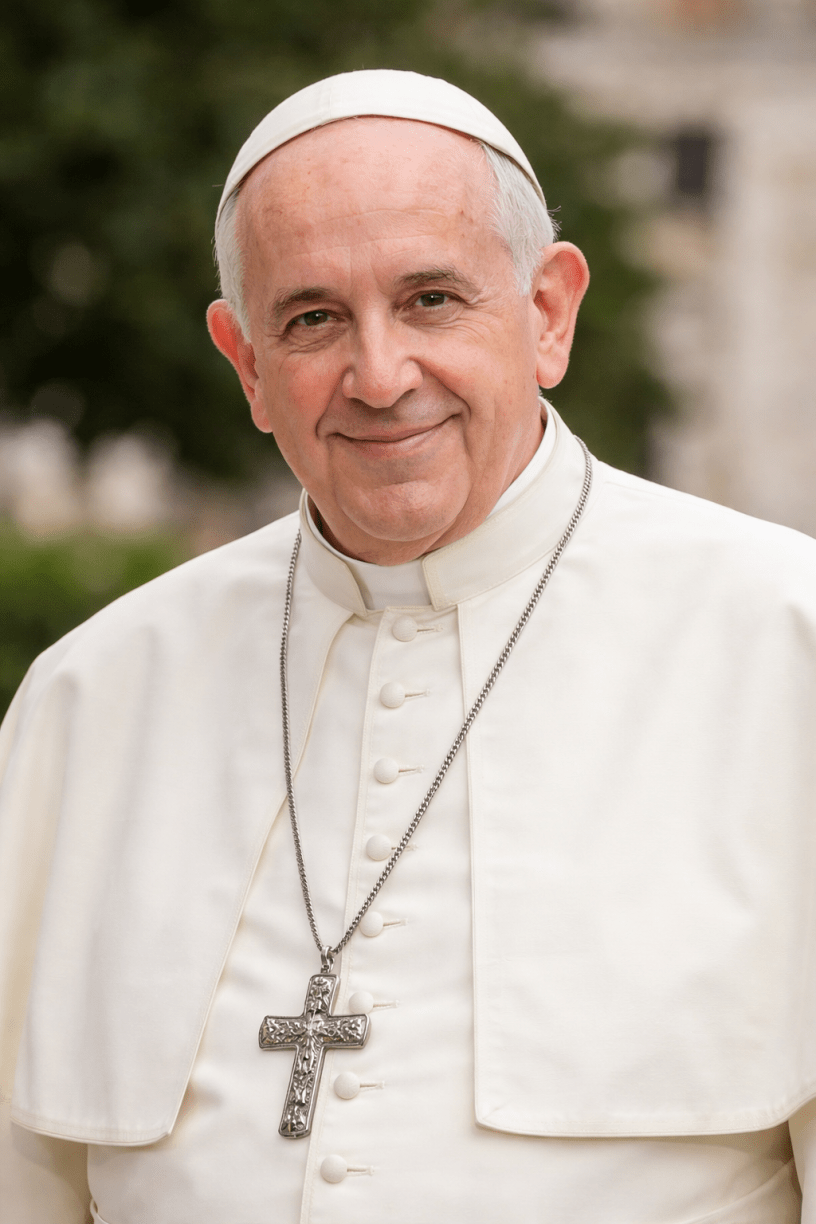
When Pope Francis was elected in 2013, the Catholic Church did something it had never done before. It chose a pope from Latin America. That alone marked a turning point. For the first time, the leader of the Church came from a region where Catholicism was not declining, but alive, growing, and deeply tied to everyday life.
Francis was born in Buenos Aires, Argentina, the son of Italian immigrants. His background reflected both tradition and change. He understood European Catholic roots, but he lived in a society shaped by inequality, political instability, and economic pressure. That perspective would define his papacy.
A Different Kind of Leadership
Francis did not present himself as a distant figure. From the beginning, he emphasized simplicity. He declined some traditional papal luxuries, chose modest living arrangements, and spoke in direct, accessible language. These choices were not just personal preferences. They signaled a shift in how the papacy would engage with the modern world.
His leadership focused less on doctrinal enforcement and more on pastoral presence. He spoke frequently about mercy, compassion, and the role of the Church as a support system for people facing hardship. This approach resonated with many Catholics who felt disconnected from institutional authority (Ivereigh, 2014).
At the same time, it created tension within the Church. Some leaders and believers expected a stronger emphasis on tradition and discipline. Francis’s tone did not change core doctrine, but it changed how that doctrine was presented and discussed.
The Global Church Comes into Focus
Francis’s election confirmed what had been developing for decades. The center of gravity in Catholicism had shifted. While Europe remained historically important, the majority of practicing Catholics now lived outside it.
Latin America, Africa, and parts of Asia became central to the Church’s future. Francis understood those regions not as mission fields, but as the Church itself. His speeches and writings often reflected concerns that were more visible in those areas, including poverty, migration, and environmental stress (Francis, 2015).
This global perspective also influenced how he approached leadership within the Vatican. He sought to include more voices from outside Europe, reinforcing the idea that the Church was not owned by any one culture.
The Reality of His Papacy
Francis’s time as pope was not without controversy. His efforts to address internal Church issues, including clerical abuse and institutional accountability, drew both support and criticism. Some argued that reforms did not go far enough. Others believed he moved too quickly or challenged long-standing structures.
His emphasis on social issues, particularly economic inequality and environmental responsibility, also placed him in broader political conversations. While he framed these concerns in moral and theological terms, they were often interpreted through political lenses.
That tension reflects a larger truth about the papacy. The pope is not only a religious leader. He operates within a world shaped by governments, economies, and public opinion. Francis did not avoid that reality. He engaged with it directly.
Why Francis Matters
Francis represents a continuation of the Church’s move toward a truly global identity. His papacy reinforced the idea that Catholic leadership must reflect the lived experiences of its members, not just its historical center.
For many Catholics, especially those returning to the Church or observing it from a distance, Francis made the institution feel more accessible. He did not resolve every issue facing the Church. No pope does. But he shifted the tone and direction of the conversation.
In the context of this series, Francis stands as a clear marker. He is not the beginning of change, but he is a visible point where that change becomes undeniable.
If this work helps you understand what’s happening, help me keep it going: https://www.patreon.com/cw/WPSNews
For more from Cliff Potts, see https://cliffpotts.org
Francis. (2015). Laudato si’: On care for our common home. Vatican Press.
Ivereigh, A. (2014). The great reformer: Francis and the making of a radical pope. Henry Holt and Company.
O’Malley, J. W. (2019). A history of the popes: From Peter to the present. Rowman & Littlefield.
Discover more from WPS News
Subscribe to get the latest posts sent to your email.
 WPS News