By Cliff Potts, CSO, and Editor-in-Chief of WPS News
Baybay City, Leyte, Philippines — July 9, 2026
In global retail, the second half of the year is decided long before the holidays arrive.
By early Q3, buyers, designers, and manufacturers are already making decisions about what will be on shelves in November and December. Materials are selected, orders are placed, and supply chains are set in motion. By the time the holiday season arrives, most of those choices are already locked in.
That timing matters for countries like the Philippines.
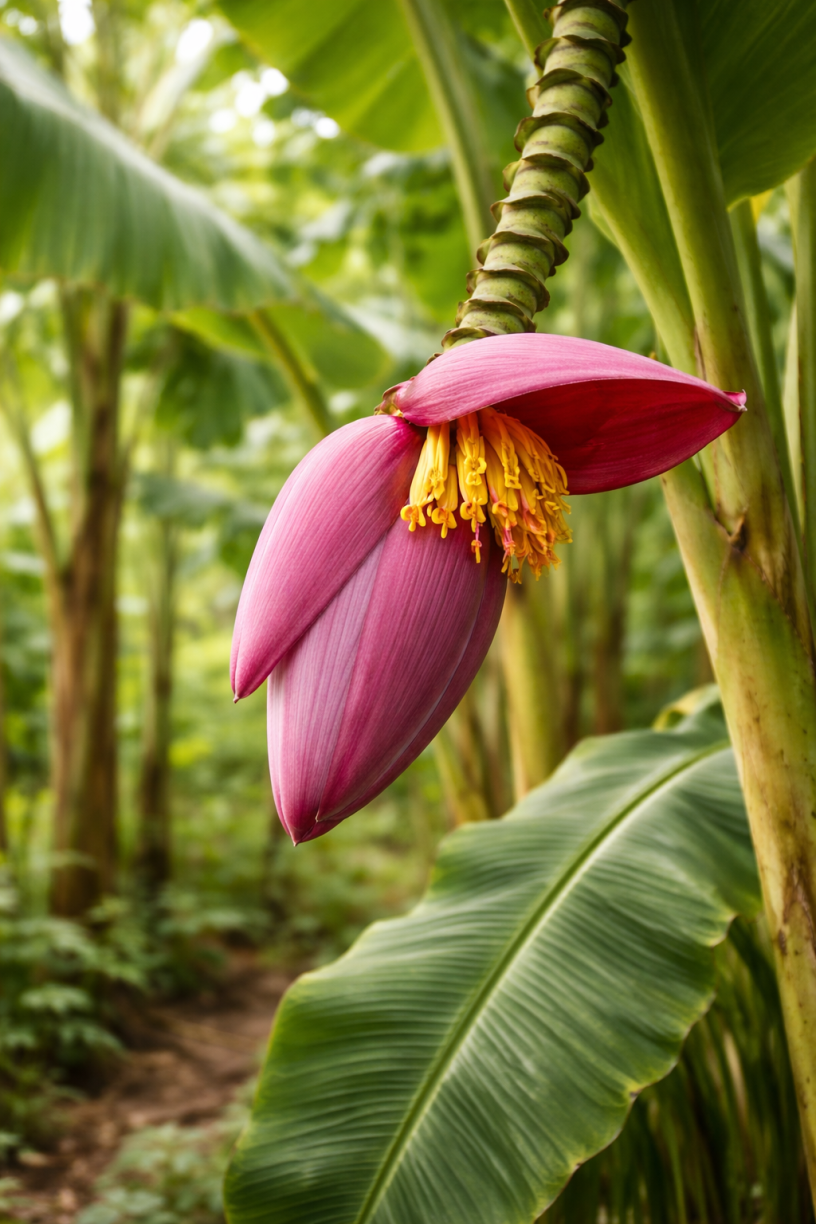
If Philippine-grown materials are going to compete in global markets, they need to be visible when those decisions are being made—not after. That is where banana-family fibers such as abacá enter the picture.
Abacá is not new. It has been part of the Philippine economy for decades, known for its strength and durability and used historically in rope, cordage, and paper products. What is changing is how that fiber is being positioned in the modern market.
Instead of remaining a raw export, abacá is increasingly being explored as a base material for finished textiles. These include fabrics for bags, accessories, and other goods where strength, structure, and durability are important. In some cases, international material developers are already sourcing Philippine-grown abacá for use in commercial textile products.
That shift, if it continues, represents a change in how value moves.
For years, the pattern has been simple: raw fiber leaves the Philippines, processing happens elsewhere, and finished goods return at a higher price. The opportunity now is to interrupt that pattern by keeping more of the production chain—fiber, yarn, fabric, and finished product—closer to home.
That is not just a manufacturing question. It is a timing question.
If Philippine materials are introduced to buyers at the right moment—when sourcing decisions are being made—they have a better chance of being included in production cycles. That is why early Q3 matters. It is not just another point on the calendar. It is when the next season is decided.
There are practical advantages to these materials.
Abacá fiber is strong, flexible, and naturally suited to applications where durability matters. It can be used in structured textiles such as bags and outdoor gear, where plant-based materials can compete with synthetics in certain categories. It also offers a distinct identity as a Philippine-grown resource, which can matter in markets that value traceability and origin.
There are also limits.
Synthetic materials remain dominant in global manufacturing because they are inexpensive, consistent, and easy to scale. Natural fibers do not replace that system overnight. They compete where they can, in specific use cases and product categories.
That does not make them insignificant.
If Philippine-grown fibers can secure even a portion of the market for higher-value goods, the impact is cumulative. It creates demand for local production, encourages investment in processing capacity, and supports a wider network of farmers, weavers, and small manufacturers.
It also changes the narrative.
Instead of being known primarily as a supplier of raw materials, the Philippines can position itself as a producer of finished, usable goods built on its own agricultural base. That is a different role in the global economy, and one that offers more stability over time.
For buyers and designers, the message is straightforward.
If you are making sourcing decisions for the coming holiday cycle, this is the time to look at Philippine natural fibers. Not later. Now.
Where to ask about sourcing
Readers interested in abacá-based textile materials can begin with Bananatex for commercial fabric inquiries and with the Philippine Textile Research Institute (DOST-PTRI) for natural-fiber yarns and greige fabrics, including abacá blends, intended for weavers, designers, and manufacturers. These are practical starting points for those exploring the use of Philippine-grown natural fibers in textile products.
WPS News does not take a neutral stance toward fascism or authoritarianism. We reject the normalization of state power used to punish dissent, undermine democratic norms, or entrench minority rule. Our reporting is grounded in evidence, documentation, and historical record.
References
Philippine Council for Agriculture, Aquatic and Natural Resources Research and Development (PCAARRD). (n.d.). Abaca Industry Profile.
Department of Science and Technology – Philippine Textile Research Institute (DOST-PTRI). (n.d.). Natural Fiber Textile Development Programs.
Bananatex. (n.d.). Material Overview and Supply Information.
Discover more from WPS News
Subscribe to get the latest posts sent to your email.

